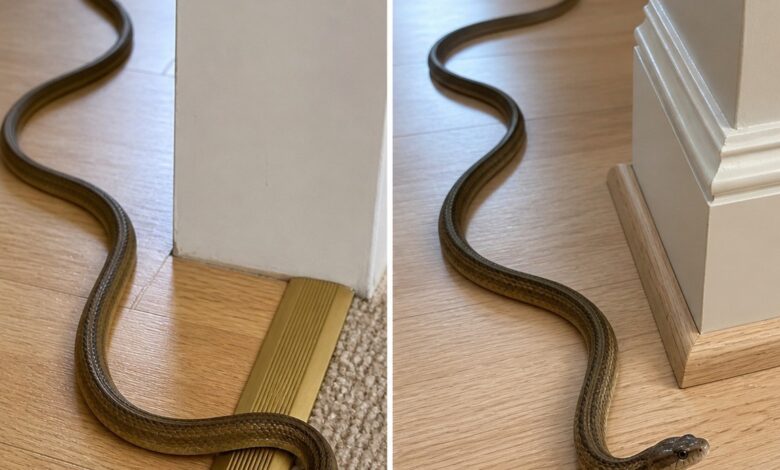
The Terrifying Secret About Snakes In Your House And Exactly What You Must Do Immediately
Imagine walking down the dark hallway of your own home, flipping on the light switch, and coming face to face with a slithering, scaly intruder. Finding a snake inside your house is undeniably one of the most unsettling experiences a homeowner or renter can ever face. The sheer shock and panic can cause your heart rate to skyrocket and your mind to race with terrifying thoughts. Whether you reside in a quiet rural countryside surrounded by nature or a bustling urban metropolis, the reality is that snakes sometimes find their way indoors. They do this not out of malice or a desire to terrorize you, but simply because they are on a desperate quest for food, warmth, and adequate shelter. Understanding the root causes of these unexpected visits is the key to transitioning from panic to calculated, rational action.
To effectively deal with a snake in your living space, it is crucial to understand what drives them into our homes in the first place. In almost all cases, snakes are not acting out of aggression when they cross your threshold. Their behavior is entirely governed by basic, primal survival needs. One of the most common reasons a snake might enter your residence is the presence of an attractive food source. If your home has a secondary infestation of rodents, mice, or various insects, you are essentially providing an all-you-can-eat buffet for a hungry serpent. These pests leave behind scent trails and establish habitats in quiet corners, which snakes easily track. Additionally, a snake might just be looking for a dark, undisturbed place to hide. Basements, crawl spaces, laundry rooms, and cluttered storage areas are prime real estate for a snake seeking safety from potential predators and the elements.
Beyond the search for food and shelter, weather plays an incredibly significant role in why snakes might infiltrate your living areas. During periods of extreme environmental conditions—such as scorching heatwaves, freezing winter cold snaps, or torrential downpours—snakes are forced to adapt or perish. When the outside temperature becomes too hostile, they search for a microhabitat that offers a stable and comfortable climate. Your home provides an artificial refuge where the temperature remains relatively constant, shielding the reptile from the harsh realities of the outdoor world. During a scorching summer drought, snakes might seek out the cool, damp environment of a bathroom or a basement drain in search of water and humidity. Conversely, during a sudden drop in autumn temperatures, the warmth radiating from a furnace or a fireplace can act as a giant magnet for a cold-blooded creature looking to maintain its core body temperature. It is a calculated survival mechanism, even if it feels like a personal invasion of your private sanctuary, making your house a temporary safe haven rather than a permanent destination.
When confronted with a snake in the house, the initial wave of fear can cloud judgment, leading to dangerous reactions. It is incredibly important to remember that not all snakes are dangerous, venomous, or aggressive. In fact, many native and common species of snakes are entirely non-venomous and play a highly beneficial ecological role. They are nature’s built-in pest control, eating the very rodents and insects that would otherwise destroy your property. However, it is understandable that the average person cannot confidently identify a snake species on the spot. Because trying to figure out if a snake is venomous or not puts you at unnecessary risk, it is always best to treat every single encounter with extreme caution and the utmost respect. Assuming the worst ensures you maintain a safe distance and do not make a mistake that could lead to a bite.
If you find yourself staring at a snake inside your home, the very first and most important rule is to remain as calm as possible. Take a deep breath and immediately step back to keep a safe distance. Avoid any sudden movements, loud noises, or attempts to handle the snake yourself. Many snake bites occur when individuals try to capture, kill, or provoke the animal. If it is feasible to do so without putting yourself in harm’s way, gently close off the room or area where the snake was spotted to contain its movement. Ensure that all children and household pets are relocated to a secure area of the house immediately. Once everyone is safe and the snake is contained, your next step should be to contact animal control services, a local wildlife removal agency, or a qualified pest professional. These experts have the proper equipment and training to capture and relocate the snake safely without harming the animal or endangering your household.
Once the scaly intruder is safely removed, the focus must shift toward prevention to ensure you never have to deal with a similar incident in the future. Preventing future snake encounters is a matter of implementing simple but highly effective home maintenance strategies. First, thoroughly inspect your home’s exterior for any potential entry points. Sealing gaps, cracks, and holes around doors, windows, foundations, and utility pipes can physically block snakes from getting inside. Use high-quality weatherstripping and silicone caulk to secure these weak spots. Second, focus on interior and exterior organization. Keeping your home clean and dramatically reducing clutter removes the dark, appealing hiding spots that snakes love to inhabit. Furthermore, maintaining a tidy yard by keeping the grass mown, trimming bushes away from the house, and clearing away woodpiles or brush piles makes your property far less hospitable to snakes.
In addition to physical barriers and pest control, you can also consider natural deterrents if you live in a region heavily populated by snakes. Certain plants, such as marigolds, lemongrass, or wormwood, are believed to have a strong scent that repels serpents. However, while these natural methods might offer some level of discouragement, physical exclusion remains the most reliable and foolproof method for keeping your home protected. Finally, addressing the root of the problem means controlling pests. By utilizing safe traps and professional pest control services, you eliminate the primary food source that attracts snakes to your home in the first place, ensuring your living space remains secure and snake-free year-round.