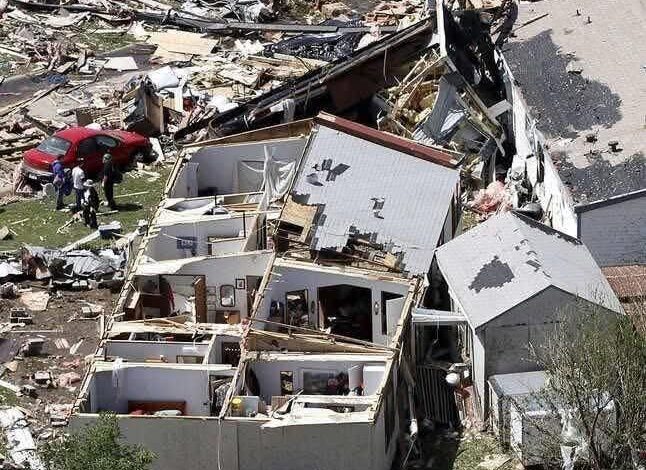
A Catastrophic Winter, The Devastating Storms That Shattered Communities in Late 2025
The final weeks of 2025 brought a historic and multifaceted weather crisis to North America, leaving a trail of destruction that fundamentally altered the lives of thousands of families. What began as a series of intense atmospheric rivers and mid-latitude cyclones rapidly escalated into a meteorological event of catastrophic proportions, impacting the Western and Central United States, as well as parts of Canada. For those caught in the path of these storms, the comfort of home vanished in an instant, replaced by the stark, immediate struggle for survival.
A Historic Convergence of Extremes
Starting in early December 2025 and intensifying through the end of the month, the region was besieged by a series of high-impact weather phenomena. In the Pacific Northwest, a Category 5 atmospheric river—a plume of moisture from the Pacific Ocean—delivered an estimated 5 trillion gallons of water to Washington, Oregon, and British Columbia in just one week. This extreme precipitation triggered catastrophic flooding, forcing over 100,000 people to evacuate their homes. Highways crumbled under the pressure of rising rivers, levees failed, and entire neighborhoods were submerged.
Simultaneously, the Western and Central United States were struck by a powerful winter storm complex. This system produced hurricane-force wind gusts—reaching up to 144 mph in parts of Wyoming—and record-breaking snowfall. Across the Central Plains, the combination of extreme cold, blizzard conditions, and high winds turned roadways into treacherous traps. In Alberta, Canada, whiteout conditions contributed to a massive pileup involving nearly 100 vehicles. Across the affected regions, power grids collapsed under the strain of ice and wind, leaving hundreds of thousands of people without electricity in the freezing temperatures of mid-December.
The Human Toll
For families, the impact was immediate and harrowing. As homes were flooded or battered by gale-force winds, residents were forced to flee with little more than what they could carry. The destruction of basic infrastructure—roads, bridges, and utilities—meant that even those who remained in their communities faced a daily battle for necessities. Emergency responders worked tirelessly, navigating unstable, damaged structures to reach those trapped by rising waters or snowdrifts, but the sheer scale of the disaster stretched rescue resources to their limits.
Shelters quickly reached capacity as displaced families arrived seeking warmth and safety. Volunteers and community members mobilized to provide blankets, clean water, and medical aid, yet many remained vulnerable. The emotional weight of the crisis was equally severe. Parents struggled to provide comfort to terrified children, all while grappling with the loss of their homes, their personal belongings, and the fragile sense of normalcy they had worked years to build.
Rising From the Ruins
As the waters receded and the snow melted, the long-term reality of the destruction began to set in. Restoration efforts have proven to be a complex, multi-state coordination, requiring significant federal assistance to rebuild public infrastructure, roads, and utilities. Many homeowners now face the painful, uncertain process of rebuilding or deciding whether they must start their lives over elsewhere.
Despite the profound physical and psychological scars left by these disasters, these communities have shown remarkable resilience. Neighbors have reached out to neighbors, and strangers have mobilized to support those who lost everything. The road to recovery will be measured in years, not weeks, but the collective determination to rebuild stands as a testament to the strength of those affected. Even in the face of immense danger and loss, these communities are finding ways to rise from the ruins, slowly restoring the hope and security that were swept away in the storms of December.
December 2025 Pacific Northwest Flooding and Winter Storm Complex
This video provides an overview of the severe weather events that occurred in December 2025, which corresponds to the period of widespread destruction described..