Tragedy On Highway 99 The Heartbreaking Reality Behind The Lillooet Mudslide Disaster
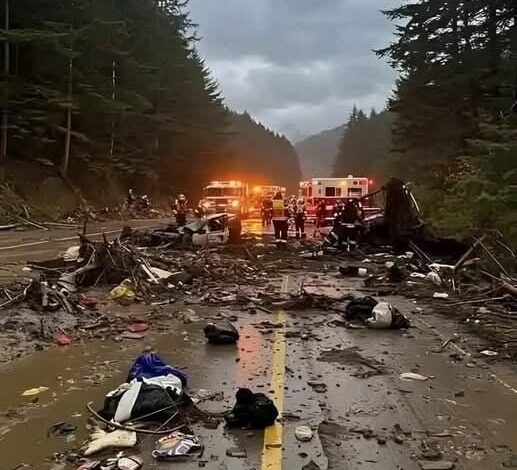
The rugged, majestic landscape of British Columbia has long been celebrated for its breathtaking beauty, but in a sudden and terrifying moment, that same terrain transformed into a scene of unimaginable devastation. Following a weekend of unprecedented, extreme rainfall that saturated the mountainsides beyond their breaking point, a massive mudslide tore through the Duffey Lake Road section of Highway 99 near Lillooet. This natural catastrophe, triggered by an atmospheric river of historic proportions, has left a community in mourning and a province grappling with the raw power of nature. What began as a routine journey for several travelers quickly became a fight for survival, ending in a tragedy that has now seen the recovery of multiple victims from the debris.
The disaster unfolded on November 15, when the stability of the earth gave way under the weight of relentless precipitation. Thousands of tons of mud, rock, and uprooted trees cascaded down the steep slopes, obliterating a stretch of the highway that serves as a vital artery for the region. In an instant, vehicles were swept off the road, buried beneath a suffocating layer of saturated earth. The sheer scale of the slide made immediate rescue operations nearly impossible, as the ground remained unstable and the weather continued to lash the area with punishing wind and rain. The initial reports were frantic and fragmented, but as the hours turned into days, the grim reality of the situation began to settle over the search and rescue teams.
B.C. Chief Coroner Lisa Lapointe has been the voice of somber updates throughout this ordeal, confirming a series of heartbreaking discoveries as recovery teams worked tirelessly through the mud. The first confirmed death was that of a woman whose body was recovered on the Monday immediately following the slide. Her passing served as the first physical evidence of the storm’s lethal toll. As heavy machinery and specialized search teams meticulously combed through the square kilometers of debris, the news only grew grimmer. By Wednesday, a second body was located, followed by the recovery of two more individuals on Thursday. Each recovery represented a life cut short and a family’s hope extinguished, replaced by the heavy silence of grief.
The search for those missing in the wake of the Lillooet slide has been one of the most challenging operations in recent provincial history. B.C. RCMP Staff Sgt. Janelle Shoihet has noted that the conditions on the ground were nothing short of treacherous. Rescue personnel were forced to navigate a landscape that was essentially a liquid graveyard, where every step carried the risk of further sliding. Poor visibility, freezing temperatures, and the constant threat of secondary slides meant that every foot of progress was hard-won. Despite the use of canine units, aerial surveillance, and ground-penetrating technology, one individual remains missing. Chief Coroner Lapointe recently delivered the devastating news that all primary avenues of the search have been exhausted. While discussions regarding potential next steps continue, the formal, active search has reached a painful plateau, leaving one family in a state of agonizing limbo.
The emotional weight of this event extends far beyond the physical boundaries of Highway 99. The victims were mothers, fathers, friends, and neighbors—people whose lives were woven into the fabric of their communities. The process of identifying the recovered victims and notifying their next of kin has been handled with the utmost sensitivity, but no amount of professional care can lessen the impact of such a sudden loss. Chief Coroner Lapointe expressed the collective sentiment of the province when she stated that her heart goes out to the numerous families and communities that have endured these tragic losses. For many, the trauma of the landslide is compounded by the widespread flooding that crippled other parts of British Columbia during the same period, creating a sense of a province under siege by the elements.
The Duffey Lake Road section of Highway 99 remains a silent witness to the disaster. The road is currently closed to all traffic, with no projected date for reopening. Engineers and geologists are tasked with assessing the long-term stability of the mountainside, a process that cannot be rushed given the potential for future catastrophe. The closure has disrupted supply chains and isolated mountain communities, but these logistical hurdles pale in comparison to the human cost of the slide. The physical scars on the land—the gouged earth and the twisted remains of guardrails—serve as a permanent reminder of the lives that were lost in the shadows of the peaks.
This disaster has sparked a broader conversation about infrastructure and the increasing frequency of extreme weather events in the Pacific Northwest. The rainfall that triggered the Lillooet slide was part of a “once-in-a-century” storm system that overwhelmed modern engineering and drainage systems. As the province begins the slow process of recovery and rebuilding, there is a profound sense that the relationship between the people of British Columbia and their environment has reached a critical juncture. The mountains that provide such a sense of pride and identity also harbor risks that require a new level of respect and preparation.
For now, the focus remains on the families of the victims. The names of those lost will eventually be added to the official records, but their true legacy lies in the memories of those who loved them. The community of Lillooet and the surrounding areas have shown remarkable resilience, coming together to support the first responders and the grieving families. Local volunteers and businesses have offered what they can, proving that even in the face of nature’s most destructive forces, human compassion remains an unbreakable bond.
As the heavy machinery eventually falls silent and the highway is eventually cleared of its muddy shroud, the story of the November 15 mudslide will be remembered as a turning point. It is a story of a day when the earth moved and the world changed for a handful of families. The missing person who has yet to be found remains a symbol of the unfinished business that nature often leaves behind—a reminder that we are guests in a landscape that operates on its own timeline and according to its own power. The province of British Columbia stands in solidarity with those affected, sharing in a grief that is as deep as the valleys and as enduring as the mountains themselves. The road ahead is long, and the healing will be slow, but the spirit of those who were lost will continue to guide the efforts to ensure that such a tragedy never repeats its devastating cycle.