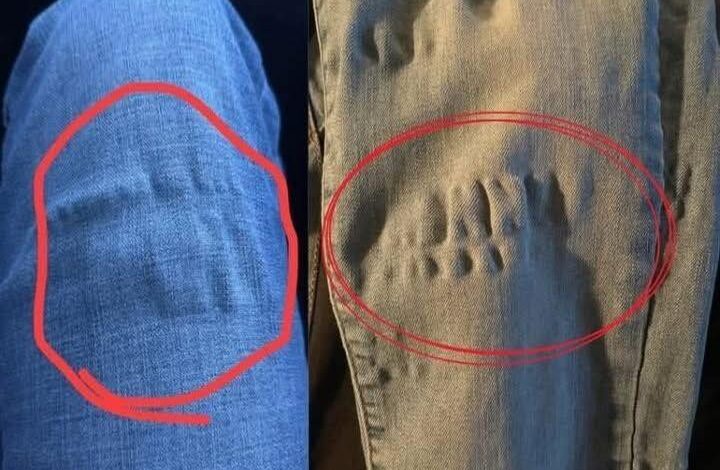
What Causes Ripples and Wrinkles in Jeans After Washing?
In the realm of modern fashion, the pursuit of the perfect pair of jeans is often a quest for the ideal balance between the rugged durability of traditional denim and the flexible comfort of contemporary textiles. However, many enthusiasts of this quintessential garment eventually encounter a frustrating phenomenon: the emergence of unsightly ripples, puckering, and stubborn distortions after a routine laundry cycle. Far from being a random occurrence, these aesthetic flaws are the physical manifestation of a complex interplay between fabric technology, thermal stress, and mechanical tension. Understanding the science of denim care is essential for anyone looking to preserve the structural integrity and smooth silhouette of their favorite wardrobe staples.
The primary culprit behind modern denim distortion is the evolution of the fabric itself. Historically, jeans were constructed from 100% cotton serge, a stiff and unforgiving material that required months of “breaking in.” To cater to modern demands for immediate comfort and a form-fitting silhouette, manufacturers now typically utilize a blend of natural cotton and synthetic elastic fibers, such as elastane or Lycra. While this hybrid construction allows the fabric to stretch and recover, it introduces a significant vulnerability to heat. Elastane is essentially a specialized plastic; when subjected to the high temperatures of a hot water wash or the intense air of a tumble dryer, these delicate synthetic strands begin to lose their elasticity or “snap back” capability. As the internal elastic structure weakens and degrades, it can no longer hold the surrounding cotton fibers in place. The result is a permanent warping of the fabric—an uneven, wavy texture known as “elastane collapse” that no iron can fully rectify.
Over-maintenance is another significant factor that contributes to the premature aging of denim. In an era of heightened hygiene, many consumers have fallen into the habit of laundering their jeans after every single wear, a practice that denim purists and textile experts frequently advise against. Each trip through the washing machine subjects the garment to intense agitation and chemical exposure. Cotton is a hydrophilic natural fiber that swells when wet, whereas synthetic elastane reacts differently to water saturation. When these materials expand and contract at different rates over hundreds of cycles, the internal tension of the weave becomes unbalanced. This discrepancy in fiber reaction leads to localized shrinkage and puckering, particularly around high-stress areas like the knees, seat, and waistband.
The mechanical environment inside the washing machine also plays a decisive role in the garment’s longevity. Jeans are inherently heavy and dense; when they become saturated with water, their weight increases significantly. In an overloaded washing machine, these heavy garments are unable to tumble freely. Instead, they become tightly twisted, knotted, and pressed against the drum and other items of clothing. This creates uneven tension, where certain sections of the leg are stretched to their limit while others are compressed. If these twisted jeans are then transferred directly into a high-heat dryer while still bunched up, the heat “sets” the distorted shape into the memory of the fibers. The ripples seen along the seams and across the thighs are often the permanent scars of a garment that was forced to dry while trapped in a distorted position.
Furthermore, the drying process itself is a critical juncture for denim health. Denim is a thick, multi-layered fabric that does not absorb or release moisture with total uniformity. Thick areas like the waistband, pockets, and flat-felled seams hold onto water much longer than the single-layer sections of the leg. This uneven drying rate can cause the fabric to pull and tug on itself. When combined with the high-velocity tumbling of a dryer, the agitation can cause the hem to roll and the side seams to twist—a phenomenon known as “leg twist.” Once the hydrogen bonds in the cotton fibers have been set by the heat of the dryer in this twisted state, the jeans will never again hang straight against the body.
Fortunately, the path to preserving the pristine condition of denim is paved with simple, intentional adjustments to one’s laundry routine. The first and most impactful step is to lower the temperature. Washing jeans in cold water is the single best way to protect both the deep indigo dye and the sensitive elastic fibers from thermal degradation. Cold water keeps the elastane “crisp” and prevents the cotton from excessive shrinking. Additionally, turning jeans inside out before placing them in the machine serves a dual purpose: it protects the outer face of the fabric from the abrasive friction of the agitator—which can cause “marbling” or white streaks—and it ensures that the parts of the garment in direct contact with skin oils are thoroughly cleaned.
When it comes to the actual wash cycle, gentleness is a virtue. Selecting a delicate cycle or even opting for a hand wash for premium denim reduces the mechanical stress placed on the seams and fibers. Using a specialized detergent designed for dark colors can also prevent the chemical stripping of the indigo, keeping the jeans looking new for much longer. However, the true secret of the world’s most dedicated denim aficionados is the avoidance of the dryer altogether. Air drying—ideally by laying the jeans flat or hanging them by the belt loops in a shaded, well-ventilated area—is the gold standard for denim care. This method allows the fibers to settle naturally without the violent agitation and extreme heat of a machine. If time constraints make a dryer a necessity, one should utilize the lowest possible heat setting and remove the jeans while they are still slightly damp to the touch, allowing them to finish drying in the air to prevent the fabric from becoming brittle.
Ultimately, the lifespan of a pair of jeans is determined by the respect shown to its component fibers. By treating denim as a sophisticated composite material rather than a utilitarian work rag, you can avoid the “ripple effect” and ensure that your jeans maintain their original fit and finish for years. Giving the garments enough space to breathe in the machine, keeping them away from high heat, and laundering them only when truly necessary are the keys to a smooth, puck-free existence. Proper care is an investment in the longevity of your style, ensuring that your denim remains a reliable, flattering, and durable companion through every season of life.