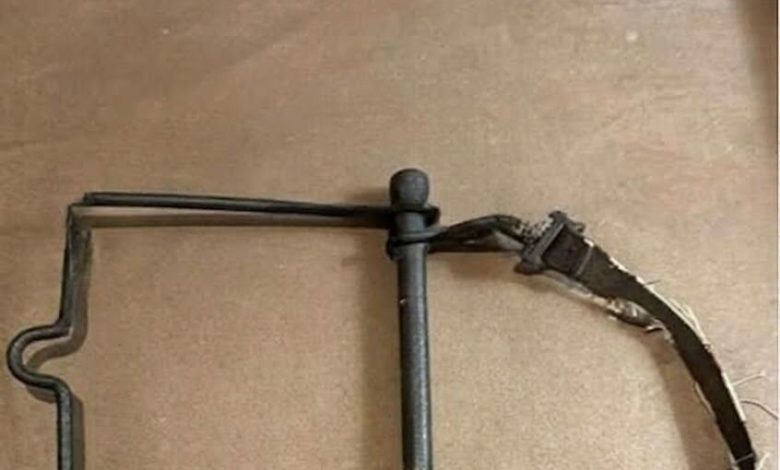
Shocking History of Forgotten Brass Barn Relic That Saved Thousands of American Horses Long Before Modern Vets Existed
Forgotten Brass Barn Tool That Helped Protect Working Horses Before Modern Veterinary Care
With today’s advanced veterinary clinics, mobile equine vets, and modern diagnostic tools, it’s easy to forget how recently animal healthcare was still a do-it-yourself necessity on many American farms. Long before equine hospitals, ultrasound machines, and 24/7 emergency services, families depended on practical barn equipment to keep their animals healthy enough to work. Tucked away in old tack rooms, rural museums, and estate collections is one surprising piece of early “horse health” technology: the antique brass horse drencher.
At first glance, it can look like a strange bit, a decorative brass oddity, or just another piece of outdated farm hardware. In reality, it was a serious tool used to deliver liquid remedies to horses—especially during emergencies—at a time when a single sick draft horse could mean lost crops, stalled transportation, and financial disaster.
Why Horses Were a High-Stakes Investment in Early America
Before tractors, trucks, and mechanized equipment became common, horses were essential infrastructure. They powered plows, hauled timber, pulled wagons, and kept local commerce moving. For many households, a strong workhorse wasn’t just helpful—it was the engine of the entire operation.
That’s why common digestive emergencies like equine colic were so feared. Colic can cause intense abdominal pain and serious complications, and without quick intervention a horse could deteriorate fast. In areas with limited access to professional veterinary services, caretakers relied on tools designed to administer liquid treatments as safely and efficiently as possible. The horse drencher emerged as one of those solutions—an early form of practical equine care equipment meant for real-world farm conditions.
What an Antique Horse Drencher Is (and How It Worked)
An authentic horse drencher was typically made with heavy brass and paired with leather straps that helped secure it in place. The design usually included:
- A hollow mouthpiece (similar in position to a bit) that allowed liquid to pass through
- A funnel attachment to pour in the remedy
- Sturdy leather rigging to stabilize the tool during use
Brass wasn’t chosen for looks. It was a smart material for the job: durable, resistant to corrosion, easier to clean than many alternatives, and able to handle repeated use in tough barn environments. In today’s terms, the drencher was an early example of function-first, user-focused design—built to solve a high-pressure problem quickly.
From Barn Necessity to Valuable Antique Collectible
In the modern market, antique horse drenchers have become sought-after by collectors of:
- vintage farm tools and agricultural antiques
- equestrian history memorabilia
- veterinary collectibles and early medical artifacts
When assessing antique value, buyers and appraisers often look at the overall condition and completeness of the piece, including the quality of the brass, the state of the leather, and whether the original funnel and fittings are still present. Natural wear from real barn use can actually support authenticity—while overly polished pieces may lose some of their historic character.
How This Tool Shaped the Evolution of Equine Veterinary Care
The drencher also highlights how animal care evolved from necessity-driven methods into modern veterinary medicine. As research improved and safer techniques were developed, older mechanical tools were gradually replaced. By the mid-20th century, more modern approaches—such as flexible stomach tubing under trained supervision—became preferred because they offered more controlled delivery and reduced risk.
That shift reflects a broader trend still central to veterinary care today: improving safety, reducing stress for the animal, and prioritizing welfare alongside results.
How to Identify a Real Horse Drencher in Antique Finds
If you’re sorting through old tack, barn equipment, or estate items, a true horse drencher is usually easy to spot once you know what to look for. Key identifiers include:
- a hollow internal channel (unlike a standard solid bit)
- a built-in funnel connection or side opening for pouring
- heavy-duty strap points designed to secure it during use
Preservation Tips: Protect the Patina and the Story
If you own one, preservation matters—especially if you care about long-term collectible value. Many antique caretakers recommend:
- cleaning gently with a soft cloth (avoid harsh abrasives)
- skipping aggressive metal polishes that remove patina
- storing in a dry, stable environment to protect leather from cracking or rot
- keeping original straps, fittings, and parts together
A Small Brass Relic With a Big American Story
The antique horse drencher is more than an unusual brass tool—it’s a reminder of a time when animal health and human livelihood were tightly connected. It represents early problem-solving, hands-on care, and the practical ingenuity that helped rural communities survive and build the economy long before modern veterinary services were widely available.
Have you ever found a strange old farm tool or equestrian item and wondered what it was? Share what you discovered (or what you’re trying to identify) in the comments—your story might help preserve a piece of history someone else has never seen.