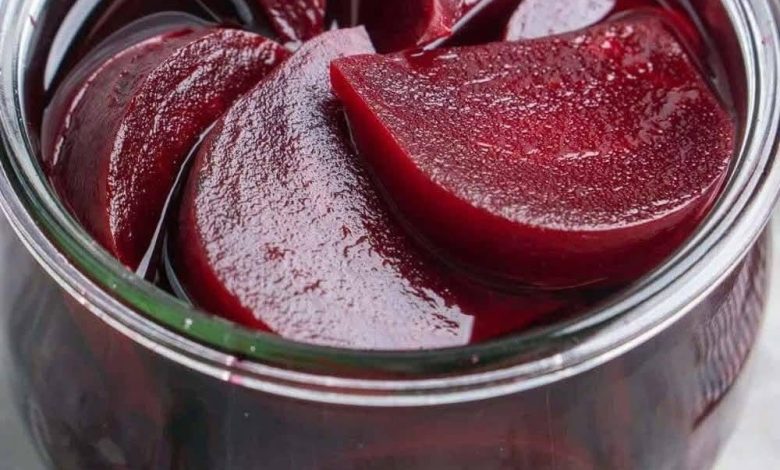
What Eating Beets May Be Doing Inside Your Body
Beets do not need dramatic health claims to earn a place on the plate. This deep-red root vegetable is rich in nutrients that can support everyday wellness, especially when it is eaten as part of a balanced diet rather than treated like a quick fix.
For many people, the real value of beets is consistency. They may help support blood flow, digestion, and normal cellular function over time, while also adding fiber, minerals, and natural plant compounds to meals.
How Beets May Support Circulation and Energy
One of the best-known reasons beets get attention is their natural nitrate content. During digestion, these nitrates can be converted into nitric oxide, a compound that helps blood vessels relax and supports healthy blood flow.
That process is one reason beets are often discussed in connection with heart health and exercise performance. Better blood flow can help oxygen move through the body more efficiently, which may be useful for endurance and general vitality.
Some people also associate improved circulation with feeling more focused or energized, although beets should not be viewed as a treatment for fatigue, memory problems, or any medical condition.
Digestive and Nutritional Benefits
Whole beets contain fiber, which supports digestion and helps feed beneficial gut bacteria. Fiber also slows the absorption of glucose, which can help support steadier energy after meals compared with foods that are low in fiber.
Beets also contain betalains, the plant pigments that give them their strong color. These compounds act as antioxidants and may help the body manage everyday oxidative stress. The liver is also part of the body’s normal detoxification system, and nutrient-rich foods can support that routine function.
In addition, beets provide nutrients such as folate, potassium, manganese, and iron. These play roles in normal metabolism, muscle function, and overall health.
What Readers Should Know
Beets are nutritious, but they are not a cure-all. Beet juice, for example, removes much of the fiber found in whole beets and may affect blood sugar differently than eating the vegetable itself.
People who are prone to kidney stones may need to be cautious with beet intake because beets can contain oxalates. Anyone with a medical condition or a specific diet plan should follow guidance from a healthcare professional.
Another harmless effect some people notice is red or pink urine or stool after eating beets. This is known as beeturia and is usually not a cause for concern, though any unexplained or persistent change should be discussed with a doctor.
For most people, beets can fit easily into everyday meals: roasted as a side dish, grated into salads, blended into smoothies, or added to soups. Their benefits are less about dramatic results and more about making nutrient-dense foods a regular part of life.
Simple foods often do their best work quietly, and beets are a good reminder that long-term health is built one meal at a time.