This Simple Square Puzzle Is Harder Than It Looks
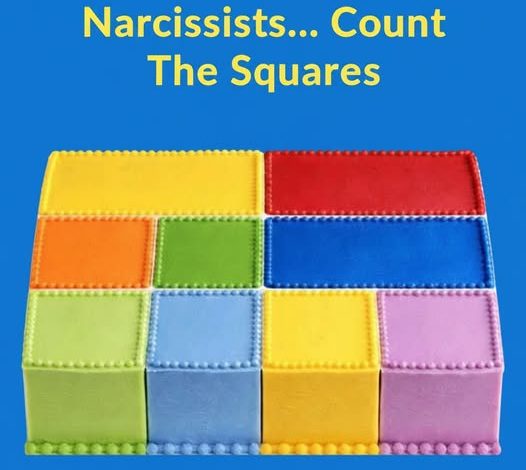
A square-counting puzzle looks easy until you actually try to solve it. At first, your eyes grab the obvious shapes and your brain rushes toward an answer. Then you look again and realize the image may not be as simple as it seemed.
That is the reason these visual challenges spread so quickly online. They are short, accessible, and frustrating in just the right way. You do not need advanced math to attempt them, but you do need patience, clear rules, and a willingness to question your first impression.
Why People Get Different Answers
The difficulty usually comes from how the puzzle is interpreted. Some people count only the fully visible squares. Others include partial shapes, front-facing squares, or squares that appear to overlap. In some versions, viewers may even imagine a three-dimensional stack and try to calculate what is hidden from view.
That means two people can stare at the same image and come away with different totals because they are not using the same rules. One person may be counting visible surfaces only, while another may be counting every square they believe exists in the structure.
This is less about arithmetic and more about visual perception. Our brains simplify what we see, especially when we are scrolling quickly on a phone or computer screen. Digital puzzles take advantage of that habit by making the obvious answer feel complete, even when a closer look suggests there is more to consider.
The Trick Is Defining the Rules First
Before counting, it helps to ask a basic question: what counts as a square? Are you counting only complete, visible squares? Are partially hidden squares included? Should the sides of stacked blocks be counted separately from the top surfaces?
Without those rules, the puzzle becomes a test of assumptions. One viewer may feel certain their answer is correct, while another may be just as confident with a different total. That is why comment sections around these puzzles often turn into long arguments rather than simple explanations.
The emotional reaction is part of the appeal. A caption that suggests most people will fail can make viewers defensive. Instead of slowing down, some people anchor to their first answer and look only for evidence that supports it. That kind of confirmation bias shows up in far more important situations than online puzzles.
The Bigger Picture
Visual challenges like this are entertaining, but they also offer a useful reminder about how people process information. We often move quickly, rely on patterns, and fill in missing details without realizing it. That can help us make fast decisions, but it can also lead us to overlook something important.
The best way to approach a puzzle like this is simple: slow down, choose your counting method, and check the image from more than one angle. If someone else gets a different answer, compare the rules before deciding who is right.
In the end, the most interesting part may not be the final number. It is what the puzzle reveals about attention, perspective, and how easily a “simple” problem can become complicated when everyone sees it a little differently.