That Tiny Button on Your Seat Belt Has a Real Job
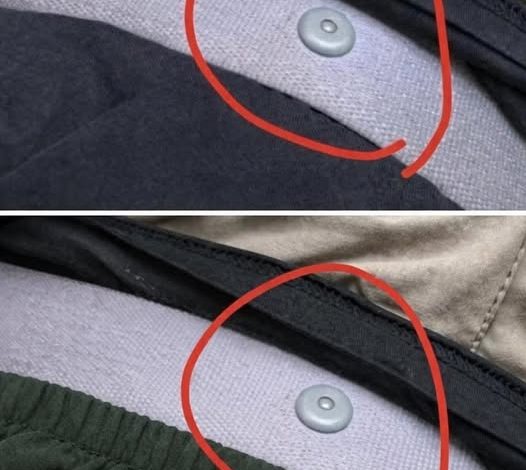
Most drivers buckle up without thinking about the small parts that make a seat belt work. The webbing, buckle, and retractor get all the attention, but there is another piece hiding in plain sight: the small round plastic button attached to the belt strap.
It may look like a leftover from manufacturing or a simple decorative piece. In reality, it has a practical safety-related purpose. That little button helps keep the metal latch plate in the right place so the belt is easy to grab, easy to fasten, and less likely to end up twisted or awkwardly positioned.
What the Seat Belt Button Actually Does
The small plastic piece is commonly called a stopper button. Its main job is to stop the latch plate from sliding all the way down the seat belt webbing when the belt is not being used.
Without it, the metal latch could drop toward the floor, slip between the seat and door pillar, or sit in a position that makes it frustrating to reach. The button keeps the latch at a convenient height, so drivers and passengers can pull the belt across their body in one smooth motion.
That convenience matters more than it might seem. Safety equipment is more likely to be used correctly when it is simple and comfortable. If a belt is hard to find, tangled, or annoying to adjust, people may wear it incorrectly or delay buckling up.
Why Positioning Matters in a Crash
A seat belt is designed to help hold the body in place during a sudden stop or collision. For it to work as intended, the belt needs to sit across stronger areas of the body, including the shoulder, chest, and pelvis.
If the belt is twisted, pulled from an odd angle, or positioned too close to the neck, it may not sit as comfortably or as securely as designed. The stopper button helps the belt stay ready for normal use by keeping the latch plate from drifting out of position before you buckle up.
Modern vehicles also use seat belts as part of a broader safety system. Features such as pretensioners and load limiters are designed to manage belt movement during a crash. While the small plastic button is not the most complex part of that system, it helps maintain the belt’s everyday usability and alignment before the belt is fastened.
What Readers Should Know
If the stopper button is missing or broken, the seat belt may still latch, but the metal plate can slide down the strap and become harder to reach. That can lead to tugging, twisting, or fastening the belt in a less comfortable position.
It is not a good idea to replace the button with a safety pin, clip, or improvised part. Anything sharp or poorly fitted can damage the webbing, snag the belt, or interfere with how it moves. If the button is gone, the safer option is to have the belt inspected and repaired with the proper manufacturer-approved part.
This is also a useful detail to notice when buying a used car or checking an older family vehicle. Along with looking at tire condition, brakes, airbags, and warning lights, it is worth making sure the seat belts retract smoothly, latch securely, and are not frayed, twisted, or missing small components.
The tiny button on a seat belt is easy to ignore, but it is there for a reason. The next time you buckle up, it is a reminder that vehicle safety often depends on small parts doing simple jobs consistently.