The Hidden Danger Destroying Your Smile That Your Dentist Might Have Missed Until Now
The Overlooked Enamel Problem That Can Quietly Ruin Your Teeth (Even If You Brush and Floss)
A healthy, bright smile is often linked with confidence, career presence, and overall wellness. Most of us grow up believing the formula is simple: brush twice a day, floss, limit sugar, and book regular cleanings. Yet many people do everything “right” and still deal with teeth that look unusually yellow, feel painfully sensitive, or chip far too easily.
If that sounds familiar, the issue may not be coffee stains or “soft teeth” from brushing too hard. In some cases, the real culprit is a genetic enamel disorder called Amelogenesis Imperfecta (AI)—a condition that can weaken the tooth’s protective layer from the start.
Why Enamel Matters More Than Most People Realize
Tooth enamel is the outer shell that protects your teeth from daily wear, acidic foods, and temperature changes. It’s also the hardest substance in the human body. When enamel forms properly, it acts like a durable shield.
But enamel is created during early development through a highly precise process. If that process is disrupted—often due to inherited gene changes—the enamel may form incorrectly. That’s the core of Amelogenesis Imperfecta: it doesn’t just change how teeth look; it can reduce their strength and long-term durability.
Common Signs of Amelogenesis Imperfecta (That People Often Misread)
Because AI can mimic everyday dental issues, it’s frequently mistaken for staining, poor brushing habits, or “weak teeth.” Watch for these common red flags:
- Teeth that appear yellow, brown, or unusually dark even after professional cleanings
- Severe tooth sensitivity to hot drinks, cold water, or sweet foods
- Chipping, cracking, or rapid wear that seems out of proportion to your habits
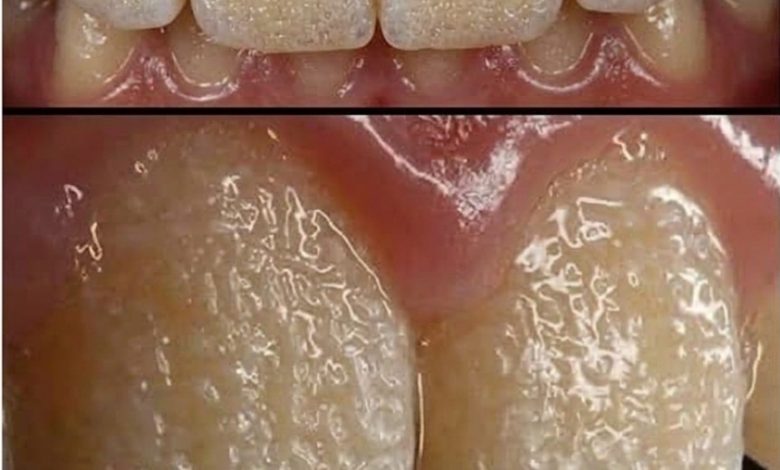
- Pits, grooves, or rough enamel texture
- Teeth that look smaller or have uneven shapes
When enamel is thin or poorly mineralized, the layer beneath it (dentin) becomes more exposed. Dentin contains microscopic pathways that connect toward the nerve, which is why sensitivity can feel intense and constant.
It’s Not Just Physical—It Can Affect Confidence, Too
In a world where first impressions matter, visible enamel defects can have a real emotional impact. Children, teens, and adults with noticeable discoloration or worn teeth may feel embarrassed, avoid smiling in photos, or hesitate to speak up socially.
Many people try over-the-counter whitening strips, abrasive “whitening” toothpastes, or repeated bleaching sessions—only to find that:
- Whitening doesn’t fix the underlying enamel problem
- Sensitivity can get worse
- Fragile enamel may wear down faster
That’s why getting the right diagnosis matters so much.
Different Types of AI (And Why Treatment Isn’t One-Size-Fits-All)
Dental professionals generally group Amelogenesis Imperfecta into types based on how enamel forms:
- Hypoplastic AI: enamel is hard but too thin to protect the tooth well
- Hypomaturation AI: enamel reaches normal thickness but stays softer and can break away
- Hypocalcified AI: enamel has low mineral content and may feel chalky or crumbly, wearing down quickly
Because AI is often inherited, it may show up in multiple family members. Recognizing that genetic link can be a relief: it reframes the problem as a medical condition—not a personal failure.
How Dentists Diagnose Enamel Disorders Today
Modern dentistry can spot enamel development issues earlier than ever. A thorough exam may include:
- Detailed clinical evaluation of enamel texture and wear patterns
- Dental X-rays to assess enamel thickness and tooth structure
- Review of family history and symptom patterns
- In some cases, referral for additional evaluation if a genetic condition is suspected
An early diagnosis can help prevent long-term damage, repeated fractures, and chronic discomfort.
Best Treatment Options for Weak or Defective Enamel
The goal isn’t just a whiter smile—it’s stronger teeth, less pain, and long-term protection. Depending on severity, treatment may include:
1) Protective restorations
- Dental crowns to cover and reinforce fragile teeth
- Bonding to protect exposed areas and reduce sensitivity
- Veneers (in appropriate cases) to improve appearance and add a protective layer
2) Sensitivity management and enamel support
- Professional fluoride treatments for added protection
- Desensitizing products recommended by your dentist
- Customized guidance to reduce wear from acids, grinding, or harsh brushing
These approaches can dramatically improve comfort by sealing exposed dentin and creating a stronger chewing surface.
The Bigger Shift: Personalized Dental Care Based on Genetics
Oral health isn’t always just about habits—it can be tied to biology. Enamel disorders like AI are a reminder that some patients need a customized plan focused on preservation, strength, and function.
With the right dental team and a proactive approach, many people can move from constant sensitivity and breakage to a smile that feels stable and looks natural.
What to Do If This Sounds Like You
If you’ve dealt with ongoing sensitivity, unusual discoloration, or repeated chipping despite good hygiene, consider booking a dental evaluation and asking specifically about enamel development issues. Getting answers early can help you avoid years of frustration—and protect your teeth for the long run.
CTA: Have you experienced stubborn tooth sensitivity or enamel problems that never seem to improve? Share your story or questions in the comments, and consider sending this article to someone who’s been struggling with “mystery” dental issues—your insight could help them seek the right care.