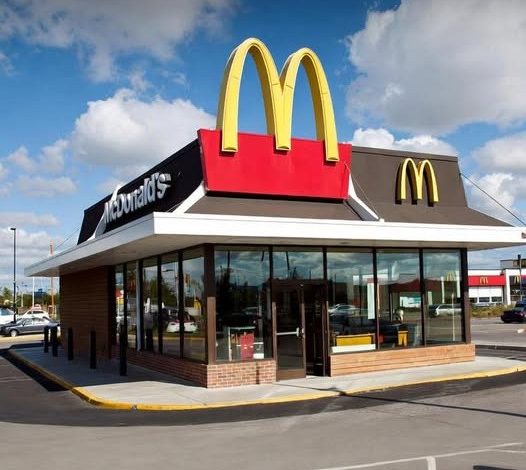
A Subtle McDonald’s Design Change Is Getting Noticed
Some McDonald’s customers are noticing a small design change that can feel bigger than it looks: at select 24/7 locations, the usual front doors are no longer part of the entrance.
Instead of pulling a handle or stepping through a clear barrier, customers walk through an open entryway. It is a simple architectural choice on the surface, but it changes the way the restaurant feels before a person even reaches the counter.
A Doorless Entrance Changes the Customer Experience
For a fast-food chain built around speed and convenience, the idea is easy to understand. A doorless entrance removes one more step between the sidewalk and the service area. There is no handle, no pause, and no physical reminder that the customer is crossing from public space into a business.
Supporters of the change may see it as a cleaner, more accessible layout, especially for restaurants that operate all day and night. In a 24-hour setting, an open entry can signal that the location is available without interruption.
But not everyone experiences it that way. For some customers, the missing door feels less like convenience and more like a loss of a familiar boundary. Doors do more than keep weather out. They create a moment of transition, helping people understand when they are entering, leaving, waiting, or choosing not to go in.
Why This Matters
Restaurant design is not just about appearance. It can influence traffic flow, customer comfort, staffing needs, cleaning routines, accessibility, and even how secure a location feels during late-night hours. For major chains, even a small design decision can affect how people use the space.
The doorless concept also fits into a broader business trend: companies are trying to remove friction wherever possible. Mobile ordering, self-service kiosks, drive-thru lanes, delivery apps, and simplified store layouts all point in the same direction. The easier it is to enter, order, and leave, the more efficient the experience can become.
Still, efficiency is not the only thing customers notice. A restaurant that is always physically open can feel welcoming to some people and uncomfortable to others. The reaction depends on the location, the time of day, and what customers expect from the space.
The Bigger Picture
The conversation around these McDonald’s entrances is really about how modern public and commercial spaces are changing. More businesses are designed to feel constantly available, with fewer obvious signals that separate outside life from the place of purchase.
That can be useful in a fast-moving world, but it also raises a fair question: do customers always want fewer boundaries, or do they sometimes value the pause that comes with a door, a threshold, and a clear sense of entering a separate place?
For now, the change appears limited to select 24/7 McDonald’s locations. But the reaction shows how even a basic design choice can make people think differently about comfort, convenience, and the places they visit every day.
Small changes in familiar spaces often reveal larger shifts in how we live, shop, and move through the world.