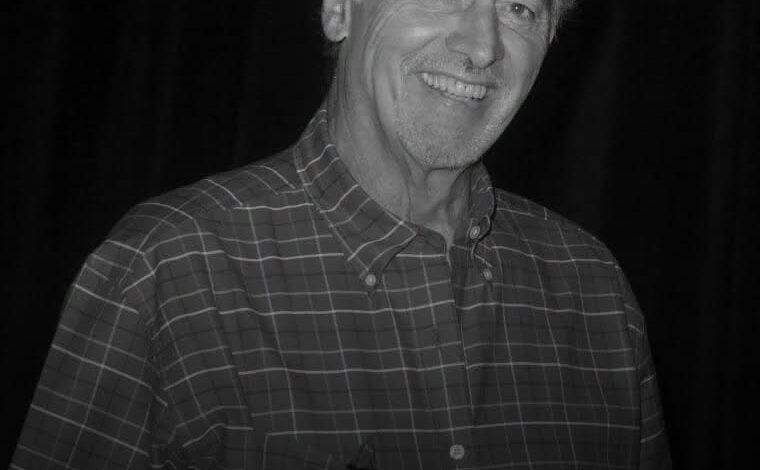
Beyond Apollo: The Many Roles That Defined Michael Forest’s Career
Michael Forest built a remarkable career across television, film, animation, and voice acting. For many viewers, he will always be remembered for portraying Apollo in the popular science fiction series Star Trek. His performance brought a memorable character to life and secured his place in the history of television. However, his professional journey extended far beyond that single appearance, revealing the story of an actor whose talents reached audiences through many different forms of entertainment.
Forest became familiar to science fiction fans through his portrayal of Apollo, a character inspired by Greek mythology. The role gave him an opportunity to combine a commanding screen presence with the distinctive atmosphere of a series known for exploring imaginative worlds and unusual characters. His appearance remains a recognizable part of the show’s history, demonstrating how a single performance can continue attracting attention long after its original broadcast.
Yet reducing an actor’s entire career to one famous role can overlook the many years of work that come before and after it. Forest continued working across different productions, taking on characters that required flexibility, professionalism, and an understanding of different storytelling styles. His career serves as a reminder that the entertainment industry depends not only on leading stars but also on experienced performers who help bring individual stories to life.
Another important part of Forest’s professional history involved productions connected with filmmaker Roger Corman. Known for working across a variety of film genres and production styles, Corman became associated with numerous projects that offered opportunities for performers to develop their craft. Forest’s involvement in this corner of the film industry added another dimension to his career, allowing him to appear in productions distinct from the television work for which many viewers knew him.
Working across different types of productions requires an actor to adjust to changing expectations. A science fiction series may demand a larger-than-life presence, while another film might call for a more restrained or grounded performance. Character actors frequently move between such environments, contributing to stories without necessarily becoming household names. Forest’s varied body of work reflects the importance of adaptability in building a lasting career.
His contributions to voice acting also deserve recognition. Forest provided voices for numerous international and anime projects, bringing characters to life through vocal expression rather than physical appearance. Voice acting is a specialized craft that relies on timing, clarity, emotion, and the ability to communicate a character’s personality through sound alone. Performers must often convey excitement, humor, tension, or warmth without the assistance of facial expressions and body language visible to an audience.
For many viewers, voice performances become familiar parts of their entertainment experiences even when the actors behind them remain largely unknown. International productions and animated stories can reach audiences across languages and cultures, creating opportunities for performers to connect with people in ways that differ from traditional screen acting. Forest’s work in this field expanded the reach of his career beyond the television roles most easily associated with his name.
This variety also explains why different generations of viewers may remember him differently. Some may recognize him immediately as Apollo from Star Trek, while others may associate his voice with an animated character or an international production. These memories are not competing versions of his legacy. Instead, they illustrate how one performer can contribute to several areas of entertainment and become part of many different viewing experiences……………….CONTINUED ON NEXT PAGE