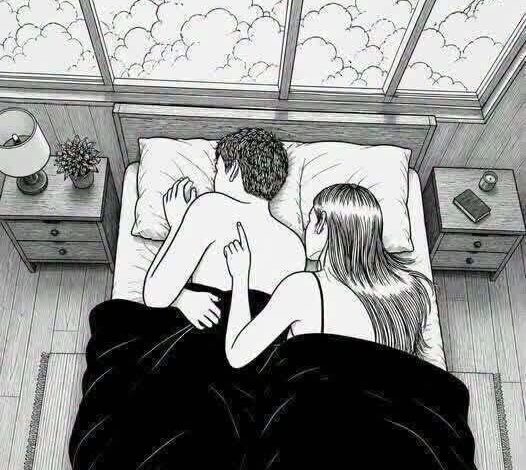
What Sleeping Back to Back Can Mean for a Couple
Sleep positions may seem like mere habits, but they often reflect deeper emotional dynamics—especially for couples. Our body language continues even in sleep, subtly expressing connection, distance, or underlying tension in a relationship. When one partner consistently turns away in bed, it’s easy to assume something is wrong, though that isn’t always the case.
Experts caution against reading too much into sleep posture alone. For many people, sleeping back-to-back is about physical comfort. Preferences like wanting cooler air, more space, or freedom to move often drive these choices. As Harvard sleep researcher Dr. Rebecca Robbins notes, sleeping apart doesn’t necessarily signal emotional distance—“back-to-back doesn’t mean back-to-ignoring.”
However, sudden changes in sleep habits may deserve attention. Couples therapist Dr. Gary Brown points out that a shift away from physical closeness—especially after conflict or stress—can occasionally reflect emotional disconnect. If a couple once cuddled nightly and now avoids contact, it might be worth gently exploring what’s changed.
Still, sleeping apart isn’t always negative. Some couples naturally prefer space and still feel emotionally close. In fact, the “liberty lovers” position—back-to-back with light touch—often signals mutual trust and independence. These couples value closeness without feeling confined, showing that physical space can coexist with emotional intimacy.
Other factors influence sleep positions too. Restlessness, chronic pain, or simple exhaustion can make one partner seek more room. In such cases, needing space at night doesn’t mean pulling away emotionally—it may just be a way to recharge from daily stress or discomfort.
In the end, sleep posture offers clues, but not answers. The key is communication. If something feels off, a loving, honest conversation matters far more than which direction you face in bed. Relationships are built on understanding, not assumptions made in the dark.
A useful starting point is the couple’s own pattern rather than a comparison with someone else’s. Two people who have always preferred room to move are in a different situation from partners who notice a recent change that neither has discussed. Even then, the change is a reason for curiosity, not proof of a particular feeling. The meaning comes from what each person says about it and from the relationship around it.
A conversation can stay simple and considerate. Asking whether a partner is comfortable leaves room for an ordinary explanation. Asking whether there is anything they want to talk about leaves room for an emotional one. Neither question requires treating the direction someone faces as a verdict on affection. What matters is making it possible to answer honestly without feeling accused.
Closeness also has a place outside the sleeping position itself. The way partners greet each other, spend time together, and respond to one another during the day provides a wider picture than a single moment in bed. A couple can value physical affection while also wanting an undisturbed night. Understanding those preferences together can make space feel comfortable rather than confusing.
Back-to-back sleeping, then, is best understood within the life of the particular couple. A posture may prompt a question, but a caring exchange is what gives that question an answer.