JFK Jr.’s Final Journey: The Recovery Effort That Brought Answers to Two Families
The disappearance of John F. Kennedy Jr. in July 1999 remains one of the most widely remembered aviation tragedies in American history. New details shared by a retired Coast Guard captain have renewed interest in the search operation, the recovery efforts, and the circumstances surrounding the accident that claimed three lives.
John F. Kennedy Jr., the son of former President John F. Kennedy, was 38 years old when he departed New Jersey in a small aircraft on July 16, 1999. His wife, Carolyn Bessette Kennedy, 33, and her sister, Lauren Bessette, 34, were traveling with him. Their destination was Martha’s Vineyard, an island off the coast of Massachusetts.
The journey began as a routine flight, but the aircraft never arrived at its destination. When the three passengers could not be located, authorities launched an extensive search over the surrounding waters. The disappearance quickly attracted national attention, with search teams working to determine what had happened to the missing aircraft.
Search Teams Located the Wreckage Underwater
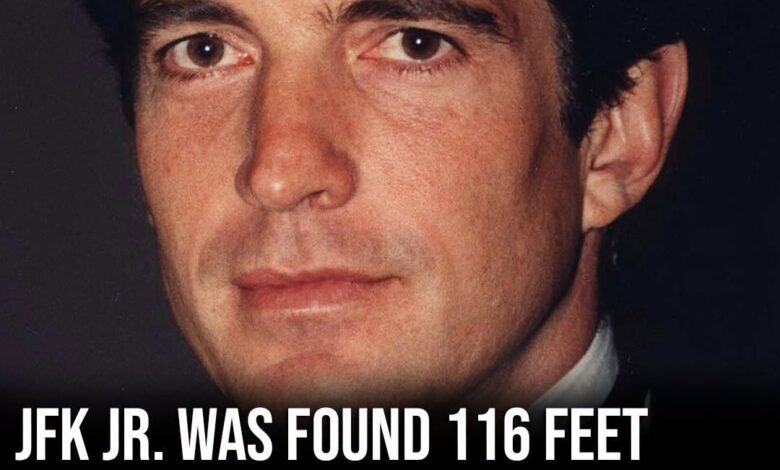
Investigators eventually located the wreckage of Kennedy’s Piper Saratoga aircraft in the Atlantic Ocean, approximately 116 feet below the surface. The discovery marked an important development in the search, allowing recovery teams to concentrate their efforts on the submerged aircraft and the surrounding area.
Retired Coast Guard Captain W. Russell Webster later discussed aspects of the operation in an interview with the New York Post. According to his account, Kennedy’s body was found approximately 10 feet away from the aircraft, while Carolyn and Lauren Bessette were located inside.
The details offer a glimpse into the difficult conditions faced by recovery teams working underwater. However, individual recollections may differ from contemporary reports, and the circumstances described in later interviews should be considered alongside the official investigation and historical records.
Recovering the victims and aircraft required careful work in challenging marine conditions. Underwater visibility, depth, and ocean currents can complicate search operations, making coordination and specialized equipment essential.
What Investigators Determined About the Accident
The official investigation concluded that spatial disorientation contributed to the crash. Kennedy was flying at night over water, where limited visual references can make it difficult for pilots to accurately judge an aircraft’s position and movement.
Spatial disorientation occurs when a pilot’s perception of an aircraft’s orientation differs from its actual position. Darkness and a lack of visible landmarks can make this problem particularly challenging, especially when flying over open water.
The accident highlighted the importance of instrument training, maintaining awareness of flight conditions, and understanding the risks associated with nighttime aviation. Even experienced pilots can encounter difficulties when visual references are limited.
A Book Revisits the Search Operation
Webster and his wife, maritime historian Theresa Mitchell Webster, later explored the recovery effort in their book, The Last Flight. Their research revisits the work carried out by the people involved in the search and examines the challenges they faced while trying to locate the missing passengers.
Rather than focusing entirely on public speculation, accounts of the operation provide an opportunity to recognize the professionals who worked to bring the victims home and support their families.
Remembering the Three Lives Lost
The deaths of John F. Kennedy Jr., Carolyn Bessette Kennedy, and Lauren Bessette brought a heartbreaking end to what had begun as a private journey. The tragedy affected their families and remained a significant moment in American public life.
Today, renewed discussions about the accident continue to draw attention to the search team’s efforts and the importance of aviation safety. The historical record offers a way to understand the circumstances of the crash while remembering the three people who lost their lives.
Their story also serves as a reminder that behind every major news event are families, investigators, and recovery workers whose experiences deserve thoughtful and respectful consideration.