Why You Might Be Drooling in Your Sleep More Than You Realize
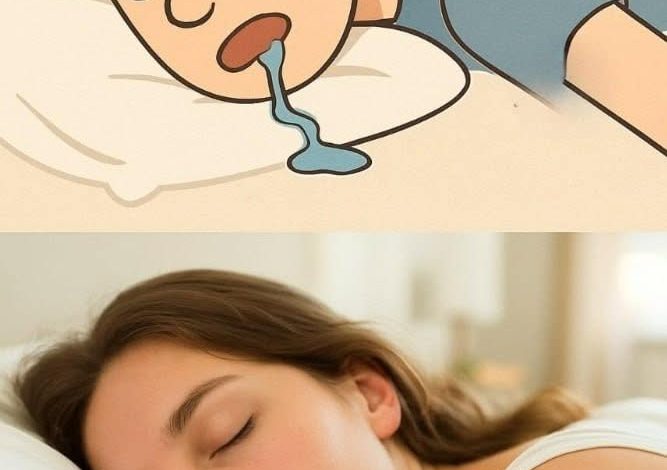
Most people have experienced it at least once. You wake up in the morning, stretch, roll over, and discover a damp spot on your pillow. It might feel a little embarrassing, but occasional drooling during sleep is actually quite common. In many cases, it is completely normal and nothing to worry about.
However, when drooling becomes frequent, excessive, or appears suddenly without an obvious reason, it may be worth paying closer attention. While drooling itself is rarely a serious problem, it can sometimes be associated with other conditions that deserve discussion with a healthcare professional.
Many people dismiss the issue because it seems minor. After all, a little saliva on a pillow hardly feels like a medical concern. Yet our bodies often communicate through subtle changes, and seemingly small symptoms can occasionally provide useful clues about overall health.
For one individual, the realization came gradually. Waking up with a damp pillow became increasingly common. At first, it seemed harmless enough to laugh about. Extra pillowcases became part of the routine, and the situation was brushed aside as nothing more than a quirky sleeping habit.
Everything changed during a routine medical appointment.
When the subject came up during a conversation with a doctor, several follow-up questions followed. Was there snoring? Daytime fatigue? Morning headaches? Difficulty staying asleep? Trouble concentrating during the day?
The answers revealed a pattern that had gone largely unnoticed.
Further evaluation eventually identified a sleep-related condition that was affecting overall rest and well-being. The drooling itself was not the primary problem. Instead, it served as one of several clues pointing toward a larger issue.
Experiences like this highlight an important lesson. Symptoms do not always exist in isolation. Sometimes a seemingly minor change can be connected to broader patterns involving sleep, breathing, lifestyle, or general health.
That does not mean everyone who drools during sleep has a medical condition. Far from it. In fact, occasional drooling is usually harmless. Understanding the difference between normal drooling and drooling that deserves attention can help people make informed decisions about their health.
To understand why drooling happens, it helps to first understand the role saliva plays in the body.
Saliva is essential for daily life. It helps break down food, supports digestion, protects oral tissues, lubricates the mouth, and contributes to overall dental health. The body produces saliva continuously throughout the day and night.
During waking hours, most people swallow saliva automatically without thinking about it. The process occurs hundreds of times each day. Because swallowing happens so frequently and naturally, saliva rarely accumulates in the mouth.
Sleep changes that process.
When we fall asleep, the swallowing reflex slows considerably. Muscles throughout the body relax, awareness decreases, and saliva can sometimes collect in the mouth. If the mouth opens during sleep or a particular sleeping position allows saliva to escape, drooling can occur.
This explains why occasional drooling is considered a normal part of sleep for many individuals.
One of the most common contributors is sleeping position.
People who sleep on their side or stomach are generally more likely to drool than those who sleep on their backs. Gravity naturally encourages saliva to move toward the edge of the mouth. When muscles are relaxed during sleep, saliva may escape onto the pillow.
This type of drooling is usually harmless and simply reflects how the body is positioned during the night.
Nasal congestion is another common cause.
When the nose becomes blocked due to allergies, a cold, sinus irritation, or seasonal congestion, people often breathe through their mouths while sleeping. Mouth breathing increases the likelihood that saliva will escape, especially during deeper stages of sleep.
Many individuals notice increased drooling during periods of seasonal allergies or respiratory illness for this reason.
Temporary health changes can also contribute.
Hormonal fluctuations, medication adjustments, dehydration, stress, fatigue, and changes in sleeping patterns may all influence saliva production or swallowing frequency. In many cases, these effects are temporary and improve once the underlying factor resolves.
Certain medications may play a role as well.
Some prescription and over-the-counter medications can affect saliva production, muscle relaxation, or sleep quality. Depending on the medication, these changes may increase the likelihood of drooling during sleep.
Anyone who notices a new symptom after starting a medication should discuss concerns with a healthcare professional rather than stopping medication independently.
Age can also influence drooling patterns.
Young children frequently drool as part of normal development. Infants and toddlers are still developing muscle control, swallowing coordination, and oral motor skills. Drooling during these early stages is generally expected.
Older adults may experience changes related to muscle tone, dental health, medication use, or sleep patterns that can also influence saliva management during sleep.
Again, occasional drooling is usually not a reason for concern.
The question becomes more important when drooling appears frequently, becomes excessive, or occurs alongside other symptoms.
One area that healthcare providers may evaluate is sleep quality.
Sleep is one of the most important components of overall health. During sleep, the body performs countless restorative functions that support physical and mental well-being. When sleep is disrupted repeatedly, a wide range of symptoms may develop.
These symptoms can include daytime fatigue, morning headaches, reduced concentration, mood changes, memory difficulties, and a general sense of unrefreshing sleep.
If frequent drooling occurs alongside these issues, it may be worthwhile to discuss the pattern with a healthcare provider.
Sleep-related breathing issues are among the conditions that sometimes prompt further evaluation.
Individuals who snore heavily, wake up frequently during the night, feel unusually tired during the day, or experience breathing disruptions during sleep may benefit from a professional assessment.
A sleep study can help healthcare providers better understand what happens during sleep and identify potential concerns that might otherwise go unnoticed.
It is important to remember that only qualified healthcare professionals can diagnose medical conditions. Symptoms such as drooling, snoring, fatigue, or headaches can have many possible explanations, and self-diagnosis is rarely reliable.
Oral health can also influence nighttime drooling.
Dental alignment, oral appliances, gum health, and other factors affecting the mouth and jaw may contribute to saliva management during sleep. Regular dental checkups provide an opportunity to discuss these concerns and identify any issues that may be affecting comfort or sleep quality.
Hydration habits may play a role as well.
Although saliva production is influenced by many factors, maintaining proper hydration supports overall bodily function. Drinking adequate water throughout the day can contribute to healthy oral function and general well-being.
Environmental factors are sometimes overlooked.
Dry indoor air, allergens, dust exposure, and sleeping conditions can influence breathing patterns and comfort during the night. Addressing environmental triggers may help improve sleep quality and reduce mouth breathing in some individuals.
Stress and sleep habits deserve consideration too.
Irregular sleep schedules, insufficient sleep, and chronic stress can affect numerous bodily functions. Establishing a consistent bedtime routine, creating a comfortable sleep environment, and prioritizing adequate rest may support healthier sleep overall.
For people who notice frequent drooling, keeping track of accompanying symptoms can be helpful.
Questions worth considering include:
Do you wake up feeling rested?
Has your snoring increased?
Do you experience morning headaches?
Do you frequently breathe through your mouth at night?
Have you noticed changes in swallowing or oral comfort?
Has the drooling appeared suddenly?
Patterns often provide useful information when discussing concerns with healthcare professionals.
One of the most important takeaways is that context matters.
A small amount of drooling once in a while is usually normal. A person who occasionally wakes with a damp pillow after sleeping on their side likely has little reason for concern. However, recurring symptoms combined with other noticeable changes may justify a conversation with a medical professional.
The goal is not to create anxiety but to encourage awareness.
Many health conditions develop gradually. Subtle changes often appear before more obvious symptoms emerge. Paying attention to those changes allows individuals to seek guidance when appropriate and potentially address issues earlier.
Awareness is different from worry.
Not every symptom indicates a serious problem, and most instances of drooling are related to ordinary factors such as sleep position, congestion, or temporary circumstances. Nevertheless, understanding what is normal for your body makes it easier to recognize when something has changed.
Good sleep remains one of the foundations of overall health.
Quality sleep supports cognitive function, emotional well-being, immune system performance, physical recovery, and long-term wellness. Because sleep affects nearly every aspect of health, symptoms that appear during the night can sometimes provide valuable information.
This is why healthcare providers often ask questions about sleep when evaluating general health concerns.
People are sometimes surprised to learn how many conditions can influence sleep quality. Breathing patterns, allergies, medications, lifestyle habits, stress levels, and physical health all interact in complex ways during the night.
A symptom that seems minor on its own may become more meaningful when viewed alongside other signs.
Fortunately, many causes of nighttime drooling are manageable.
Addressing nasal congestion, improving sleep habits, reviewing medications with a healthcare provider, optimizing sleeping positions, and maintaining good oral health may all contribute to improvement depending on the underlying cause.
The first step is simply paying attention.
Rather than ignoring recurring symptoms, it can be helpful to view them as information. Our bodies constantly communicate through sensations, patterns, and changes. Listening to those signals allows us to make informed decisions about our health and well-being.
If drooling occurs occasionally and no other symptoms are present, there is usually little reason for concern. It is often a normal consequence of sleeping position, temporary congestion, or ordinary variations in sleep.
However, if drooling becomes frequent, excessive, sudden, or occurs alongside symptoms such as loud snoring, persistent fatigue, morning headaches, breathing concerns, or swallowing difficulties, seeking medical advice may be a wise next step.
Ultimately, the damp spot on a pillow is rarely the most important part of the story. What matters is understanding the bigger picture. Sometimes drooling is simply drooling. Other times, it may be one small clue that encourages a closer look at sleep, health, and overall wellness.
Paying attention to those clues does not mean expecting the worst. It means giving your body the attention it deserves. In many cases, that awareness can lead to reassurance. In others, it can lead to helpful conversations and solutions that improve quality of life.
Either way, understanding why drooling happens—and knowing when it may deserve attention—is one more step toward better health, better sleep, and greater peace of mind.