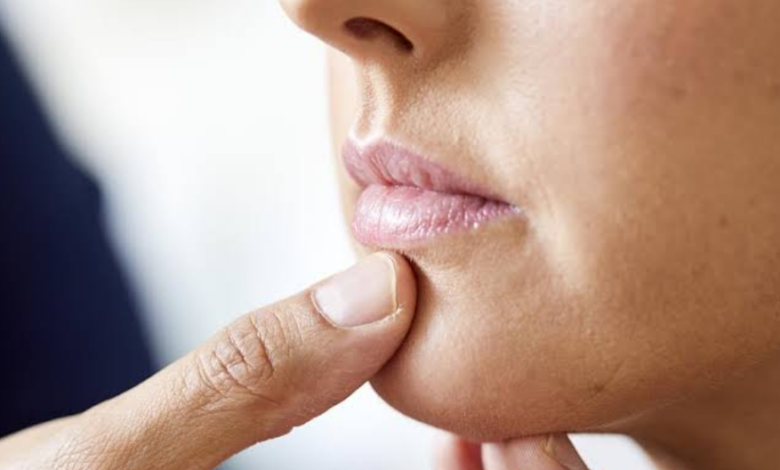
Why Some Women Develop Chin Hair and What It Can Sometimes Indicate
Many women notice a few hairs appearing on the chin at some point in their lives. While it can be surprising, this is often a normal part of the body’s natural changes and is not usually a sign of a serious health concern.
Hair growth is influenced by several factors, including genetics, age, and hormones. Both women and men naturally produce hormones called androgens, although women typically have much lower levels. Differences in hormone levels and how the body responds to them can affect where hair grows and how thick it becomes.
As people get older, it is common for hair growth patterns to change. Some women may notice that facial hair becomes slightly more noticeable over time, especially around the chin or upper lip. These gradual changes are often considered a normal part of aging.
In some cases, increased facial hair may be associated with hormonal conditions such as polycystic ovary syndrome (PCOS). Women with PCOS may also experience symptoms like irregular menstrual cycles, acne, or difficulty managing weight. However, facial hair alone does not necessarily mean someone has this condition.
Hormonal changes during menopause may also contribute to new or more visible facial hair. As estrogen levels decline and the balance of hormones shifts, some women find that a few coarse hairs appear on the face. The extent of these changes varies from person to person.
Other factors, including certain medications or some medical conditions, may also influence hair growth. If these are involved, they are often accompanied by additional symptoms that help healthcare professionals determine the underlying cause.
If facial hair develops suddenly, increases rapidly, or occurs alongside other unusual changes, it is a good idea to consult a qualified healthcare provider. They can evaluate your symptoms, discuss your medical history, and recommend appropriate testing or treatment if needed.
For many women, a small number of chin hairs are simply a natural variation in hair growth. Personal grooming options such as tweezing, waxing, threading, or other cosmetic methods can help manage unwanted hair based on individual preference.
Every person’s body changes over time, and differences in hair growth are common. Understanding the role of hormones, genetics, and aging can help provide reassurance that, in many cases, a few chin hairs are simply a normal part of life’s natural changes. This article is intended for general informational purposes and should not replace professional medical advice. If you have concerns about changes in your health, consult a qualified healthcare professional.