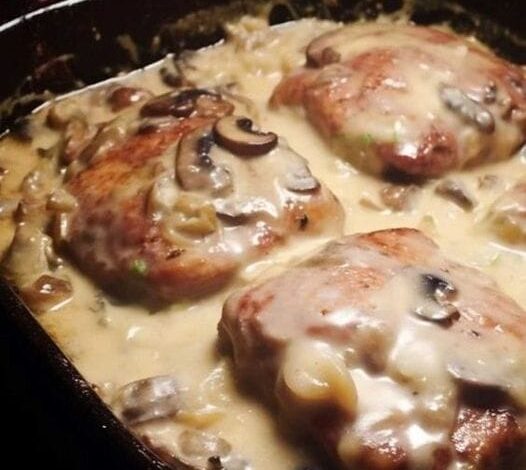
Amish Wedding Steak
Amish Wedding Steak is not just a dish; it’s a culinary tradition passed down through generations, cherished for its simplicity, flavor, and heartwarming appeal. Rooted in the Amish community’s rich heritage of wholesome cooking, this recipe embodies the essence of hearty, home-cooked meals shared with loved ones. In this comprehensive guide, we delve into the art of preparing Amish Wedding Steak, from marinating the meat to crafting the perfect gravy. Let’s embark on a culinary journey that celebrates tradition, flavor, and the joy of good food.
Amish Wedding Steak
Steak Marinade Ingredients:
| Ingredient | Amount |
|---|---|
| Round steak | 2 lbs (tenderized and cut) |
| Buttermilk | 1 cup |
| Worcestershire sauce | 2 teaspoons |
| Hot sauce | 1 teaspoon |
| Salt and pepper | To taste |
Coating Ingredients:
| Ingredient | Amount |
|---|---|
| All-purpose flour | 2 cups |
| Salt | 2 teaspoons |
| Black pepper | 1 teaspoon |
| Paprika | 1 teaspoon |
| Garlic powder | 1 teaspoon |
| Onion powder | 1 teaspoon |
For Frying:
| Ingredient | Amount |
|---|---|
| Vegetable oil | For frying |
Gravy Ingredients:
| Ingredient | Amount |
|---|---|
| All-purpose flour | 1/4 cup |
| Beef broth | 3 cups |
| Salt and pepper | To taste |
Instructions:
Marinating the Steak
Before diving into the cooking process, it’s essential to marinate the steak to infuse it with flavor and tenderness. Here’s how:
- Combine Ingredients: In a shallow dish, blend buttermilk, Worcestershire sauce, hot sauce, salt, and pepper.
- Coat the Steak: Place tenderized round steak pieces into the marinade, ensuring thorough coating.
- Chill: Cover and refrigerate for at least an hour or overnight for optimal flavor absorption.
Coating and Frying
The coating and frying process are pivotal for achieving that crispy, golden exterior while locking in the steak’s juiciness. Follow these steps:
- Prepare Coating Mixture: In a bowl, mix flour, salt, black pepper, paprika, garlic powder, and onion powder.
- Dredge the Steak: Remove marinated steak pieces from the buttermilk mixture, coat evenly with the flour mixture.
- Fry to Perfection: Heat vegetable oil in a skillet, fry steak pieces until golden brown and cooked through.
Making the Gravy
No Amish Wedding Steak is complete without a rich, flavorful gravy. Here’s how to create the perfect accompaniment:
- Deglaze the Pan: After frying the steak, reserve some drippings in the skillet.
- Whisk in Flour: Sprinkle flour into the skillet, whisk until golden brown and fragrant.
- Gradually Add Broth: Pour in beef broth gradually, whisking constantly to prevent lumps.
- Thicken and Season: Cook until the gravy thickens to desired consistency, season with salt and pepper.
Serving Suggestions
Now that your Amish Wedding Steak and gravy are ready, it’s time to plate up and indulge. Here are some serving suggestions:
- Arrange and Garnish: Place the fried steak pieces on a platter, generously coat with gravy, and garnish with chopped parsley.
- Pairing Perfection: Serve alongside mashed potatoes, steamed vegetables, or buttered noodles for a wholesome meal.