What Research Says About COVID 19 Vaccines and Lung Health
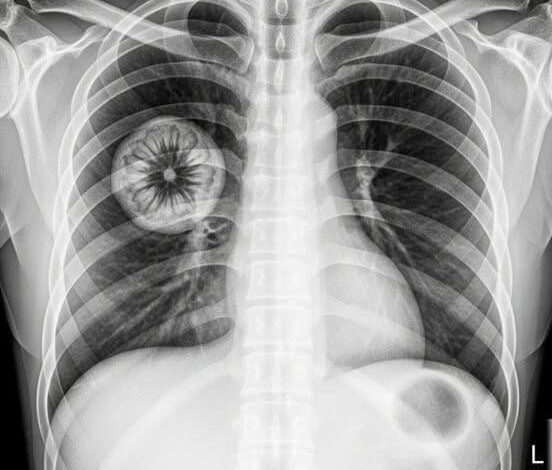
An unusual image of a chest X-ray has been circulating online alongside alarming claims about people who received COVID-19 vaccines. The accompanying warnings have raised questions about whether vaccination could cause hidden lung damage, respiratory abnormalities, or other serious complications that might appear long after an injection.
For many people, such claims can be frightening. The lungs are essential to nearly every activity the body performs, from walking and exercising to sleeping and simply breathing. Any suggestion that something could silently damage these organs deserves careful attention.
However, there is an important distinction between a medical possibility, a documented adverse event, and an unsupported claim circulating on social media.
COVID-19 vaccines have been extensively studied, and millions of people worldwide have received them. Their safety profiles are continually evaluated through clinical studies and post-vaccination monitoring. Although some rare complications have been identified, the available evidence does not support the broad claim that vaccinated people generally develop hidden lung damage.
Understanding what researchers have discovered requires looking at how vaccines interact with the immune system, which respiratory complications have actually been documented, how COVID-19 infection itself affects the lungs, and which symptoms should prompt medical evaluation.
The following information examines these issues and explains why respiratory symptoms should never be ignored, regardless of vaccination history.
1. Why Have COVID-19 Vaccines Become a Subject of Respiratory Health Concerns?
COVID-19 vaccines were developed to reduce the risk of severe illness, hospitalization, and death caused by SARS-CoV-2, the virus responsible for COVID-19.
Their introduction represented one of the largest vaccination efforts in modern medical history.
However, the rapid development and widespread administration of these vaccines also generated public questions about their long-term safety.
Some individuals reported symptoms after vaccination, including fatigue, fever, headaches, muscle aches, chest discomfort, and shortness of breath.
Most commonly reported reactions were temporary and reflected the immune system responding to vaccination.
Nevertheless, rare adverse events were subsequently identified and investigated.
One particularly important example was myocarditis and pericarditis, inflammatory conditions affecting the heart muscle and the surrounding membrane.
These conditions were reported more frequently than expected in certain groups, particularly adolescent and young adult males following some mRNA vaccine doses.
Because myocarditis can cause chest pain, shortness of breath, and a rapid heartbeat, it sometimes creates concerns about whether the lungs themselves have been damaged.
This distinction matters.
Chest symptoms do not automatically indicate a lung disorder. They can originate from the heart, lungs, muscles, blood vessels, or other structures.
Consequently, a person experiencing breathing difficulties after vaccination should receive an appropriate medical assessment rather than assuming that the cause is either vaccine-related or unrelated.
2. Can COVID-19 Vaccination Directly Damage the Lungs?
The relationship between vaccination and lung health needs to be understood accurately.
COVID-19 vaccines work by preparing the immune system to recognize specific components of SARS-CoV-2.
They do not contain the complete infectious virus capable of causing ordinary COVID-19 infection.
mRNA vaccines deliver temporary genetic instructions that allow cells to produce a harmless version of the viral spike protein. The immune system recognizes this protein and develops an immune response.
The mRNA is subsequently broken down by normal cellular processes.
It does not permanently change a person’s DNA.
Other vaccine platforms use different mechanisms to stimulate immunity, but their purpose is similarly to prepare the body to respond to the virus.
Current evidence does not establish that COVID-19 vaccination routinely causes progressive lung damage, widespread pulmonary scarring, or chronic respiratory disease.
However, this does not mean that every possible adverse reaction can be dismissed.
Rare allergic reactions, inflammatory complications, and other adverse events have been documented.
The important distinction is that the existence of rare complications does not establish that an entire vaccinated population is at risk of a particular disease.
A chest X-ray showing an unusual appearance also cannot establish that vaccination caused the finding.
Doctors must evaluate the actual radiological images, medical history, symptoms, examination findings, and sometimes additional investigations before reaching a diagnosis.
3. Understanding What a Chest X-Ray Can Actually Reveal
Chest X-rays are among the most frequently used imaging examinations in medicine.
They allow healthcare professionals to examine the lungs, heart, ribs, diaphragm, and other structures within the chest.
A typical chest X-ray can help identify:
Pneumonia and certain lung infections.
Fluid accumulation around the lungs.
Some lung masses and tumors.
Collapsed lung tissue.
Certain signs of heart enlargement.
Significant abnormalities in the chest cavity.
Some patterns associated with chronic lung disease.
However, a chest X-ray is not capable of identifying every possible lung condition.
Some abnormalities are too small to be visible, while others require computed tomography, pulmonary function testing, blood tests, or additional investigations.
The image accompanying the warning contains an eye-like circular feature over the lung region. That appearance is not, by itself, a recognizable diagnostic finding that can establish a disease.
It may represent an added visual illustration or image manipulation.
Without the original diagnostic study and a radiologist’s interpretation, it would be irresponsible to identify it as evidence of vaccine injury, a tumor, or another specific condition.
This is particularly important when medical images are shared without the patient’s age, symptoms, medical history, imaging date, or clinical diagnosis.
An image can attract attention, but it cannot replace a medical evaluation.
4. Myocarditis: One of the Rare Adverse Events Researchers Have Identified
One of the most widely discussed rare complications associated with certain COVID-19 vaccines is myocarditis.
Myocarditis refers to inflammation of the heart muscle.
It can occur after viral infections and, less commonly, following certain medications or immune-related reactions.
Cases of myocarditis have been reported following mRNA COVID-19 vaccination.
The risk has been particularly associated with adolescent and young adult males, often within approximately one week after a second dose of certain vaccine formulations.
Symptoms may include:
Chest pain or pressure.
Shortness of breath.
A rapid or irregular heartbeat.
Unusual fatigue.
Discomfort that becomes more noticeable during physical activity.
Some cases are mild and improve with medical treatment and temporary restrictions on strenuous exercise.
Other cases require hospitalization and more extensive monitoring.
Although most reported patients recover clinically, the long-term implications can vary, and follow-up is important.
Doctors may use several investigations to evaluate suspected myocarditis, including electrocardiograms, blood tests for cardiac troponin, echocardiography, and cardiac magnetic resonance imaging.
Why is this relevant to lung health?
Because the heart and lungs work together to maintain oxygen circulation throughout the body.
When the heart muscle becomes inflamed, a person may experience breathing difficulties even when the primary problem is cardiac rather than pulmonary.
This is one reason why unexplained shortness of breath should never be self-diagnosed.
5. Pericarditis and Chest Pain After Vaccination
Another rare condition reported after some COVID-19 vaccinations is pericarditis.
Pericarditis occurs when the thin membrane surrounding the heart becomes inflamed.
It can produce sharp chest pain that may worsen when taking a deep breath, coughing, or lying flat.
Some people experience relief when sitting upright or leaning forward.
Because these symptoms can resemble certain lung conditions, patients may initially believe they are experiencing a respiratory problem.
Doctors may investigate suspected pericarditis through physical examination, electrocardiography, inflammatory markers, echocardiography, and other appropriate tests.
Pericarditis can also occur after viral infections, including COVID-19 itself.
Therefore, determining the cause requires an assessment of timing, clinical findings, and medical history.
A history of vaccination alone does not establish that a particular episode of chest pain was caused by a vaccine.
6. COVID-19 Infection Can Have Significant Effects on the Lungs
When discussing respiratory health, it is equally important to understand the effects of COVID-19 infection itself.
SARS-CoV-2 primarily enters the body through the respiratory tract.
The infection can affect the upper airways, lower respiratory system, and, in more severe cases, the lungs.
Some individuals experience mild symptoms resembling an ordinary cold.
Others develop severe pneumonia, inflammation, and impaired oxygen exchange.
In severe cases, the immune response and damage to lung tissue can produce acute respiratory distress syndrome.
This condition can make it extremely difficult for the lungs to transfer sufficient oxygen into the bloodstream.
Patients may require supplemental oxygen, intensive monitoring, or mechanical ventilation.
COVID-19 can also affect blood vessels and increase the risk of blood clot formation.
In some patients, pulmonary embolism develops when a clot blocks an artery supplying blood to the lungs.
These complications demonstrate why preventing severe COVID-19 infection has been an important public health objective.
Vaccination reduces the risk of severe outcomes, although protection varies according to age, underlying medical conditions, previous immunity, vaccine formulation, and time since vaccination.
Vaccination does not provide absolute protection against infection.
However, it is inaccurate to treat the risks associated with COVID-19 infection and those associated with vaccination as identical.
They involve different biological processes and different patterns of risk.
7. Can COVID-19 Cause Long-Term Lung Damage?
Some people experience respiratory symptoms for weeks or months after an acute COVID-19 infection.
This condition is commonly discussed under the term long COVID or post-COVID condition.
Symptoms may include:
Persistent shortness of breath.
Chronic cough.
Chest discomfort.
Reduced exercise tolerance.
Unusual fatigue.
Difficulty returning to previous levels of physical activity.
Not everyone experiences these problems, and their severity varies considerably.
Some individuals recover gradually without specific treatment.
Others experience persistent abnormalities in lung function or imaging.
In certain cases, severe COVID-19 pneumonia can leave residual changes in lung tissue.
Pulmonary fibrosis, which involves scarring and stiffening of lung tissue, can occur following severe lung injury.
However, it is important not to assume that every person with long COVID has pulmonary fibrosis.
Many people experience breathing difficulties despite having relatively normal conventional lung imaging.
Other factors, including cardiovascular changes, respiratory muscle weakness, autonomic dysfunction, and deconditioning, may contribute to persistent symptoms.
A proper evaluation is necessary to determine what is happening.
8. Why Do Some People Experience Shortness of Breath After COVID-19?
Shortness of breath is one of the most concerning symptoms reported by people recovering from COVID-19.
It can develop for several reasons.
One possibility is residual inflammation or injury in the lungs.
Another is reduced physical conditioning after a prolonged period of illness or inactivity.
People who were hospitalized may experience significant muscle weakness, including weakness affecting the muscles involved in breathing.
Cardiovascular problems may also contribute.
For example, myocarditis, abnormal heart rhythms, or other cardiac conditions can interfere with the body’s ability to deliver oxygen efficiently during physical activity.
In some patients, dysfunctional breathing patterns or autonomic nervous system disturbances may produce sensations of breathlessness.
Anxiety can also intensify the perception of breathing difficulty, although it should not be assumed to be the cause before medical conditions have been considered.
Doctors may recommend pulmonary function testing, oxygen measurements, chest imaging, heart examinations, or other investigations depending on the symptoms.
The correct approach is to identify the underlying mechanism rather than assuming every breathing problem represents permanent lung damage.
9. What Is Pulmonary Embolism and Why Is It Dangerous?
Pulmonary embolism is a serious condition that occurs when a blood clot blocks an artery in the lungs.
Many pulmonary embolisms originate from clots that develop in the deep veins of the legs.
These clots can travel through the bloodstream and become lodged in the pulmonary circulation.
The resulting obstruction can reduce blood flow through part of the lungs and place strain on the right side of the heart.
Possible symptoms include:
Sudden shortness of breath.
Sharp chest pain, particularly when breathing deeply.
Rapid heartbeat.
Coughing, sometimes with blood.
Dizziness or fainting.
Unexplained anxiety or a feeling of impending danger.
Pulmonary embolism requires urgent medical attention.
COVID-19 infection itself can increase the risk of blood clots, particularly during severe illness and hospitalization.
Separately, very rare cases of thrombosis with thrombocytopenia syndrome were associated with certain adenovirus-vector COVID-19 vaccines.
This syndrome involves unusual blood clots occurring alongside low platelet counts.
It was a serious but rare adverse event and led to changes in recommendations and the use of some vaccine products in several countries.
It should not be confused with the far more common causes of blood clots.
A person experiencing sudden breathing difficulties or chest pain should seek emergency medical assistance rather than attempting to determine the cause at home.
10. Are There Warning Signs That Your Lungs May Need Medical Attention?
Regardless of vaccination status, certain respiratory symptoms should always be taken seriously.
The lungs are responsible for supplying oxygen and removing carbon dioxide.
When their function is impaired, symptoms may develop gradually or suddenly.
Persistent cough is one possible warning sign.
A cough lasting several weeks may be associated with asthma, respiratory infections, acid reflux, smoking-related disease, medication effects, or other conditions.
Another important symptom is unexplained shortness of breath.
If ordinary activities such as walking, climbing stairs, or carrying groceries suddenly become difficult, medical evaluation may be appropriate.
Wheezing can indicate narrowing of the airways.
Chest pain may have several possible causes, ranging from muscle strain to heart or lung disease.
Coughing up blood should never be ignored, even when the amount appears small.
Other warning signs include persistent fever, unexplained weight loss, recurrent respiratory infections, and unusual fatigue.
These symptoms do not automatically indicate a serious condition.
Nevertheless, they provide reasons to seek appropriate medical advice.
11. How Do Doctors Determine Whether a Respiratory Problem Is Related to Vaccination?
Determining whether an adverse event is associated with vaccination is a complex medical process.
Doctors do not rely exclusively on whether symptoms occurred after an injection.
They consider several factors.
Timing: Did the symptoms begin within a biologically plausible period following vaccination?
Clinical findings: Are there objective signs of a condition that has been associated with the vaccine?
Alternative explanations: Could an infection, existing medical condition, medication, or unrelated disease explain the symptoms?
Diagnostic evidence: Do blood tests, imaging, electrocardiograms, or other investigations support the suspected diagnosis?
Known safety information: Has the event been documented in clinical studies or post-marketing surveillance?
A temporal relationship means that two events occurred around the same time.
It does not automatically prove that one caused the other.
For example, someone may receive a vaccine and develop pneumonia several days later.
The timing deserves investigation, but the pneumonia could be caused by a respiratory infection acquired before or after vaccination.
Similarly, a person may develop chest discomfort because of an unrelated cardiac or gastrointestinal condition.
Medical professionals must evaluate the complete clinical picture.
12. Why Chest X-Rays Cannot Prove Vaccine-Related Lung Injury
Images of unusual chest findings frequently circulate on social media with dramatic explanations.
Some posts claim that a particular shadow, spot, or pattern proves that a person has experienced vaccine damage.
These interpretations are often medically unreliable.
A chest X-ray shows differences in how X-rays pass through various tissues.
Air-filled lungs normally appear relatively dark, while bones and other dense structures appear lighter.
Abnormalities may appear as areas of increased density, but these findings are not specific to one disease.
For example, a white area in the lung could represent pneumonia, fluid, scarring, a mass, or another condition.
Even trained radiologists sometimes require additional imaging or clinical information to determine the significance of an abnormality.
An image that has been cropped, edited, or combined with graphic illustrations is even less suitable for drawing diagnostic conclusions.
The circular feature in the accompanying picture cannot establish the presence of a vaccine-related complication.
A legitimate diagnosis requires the original medical images and the appropriate clinical assessment.
13. Does Vaccination Change the Immune System Permanently?
Another concern frequently associated with COVID-19 vaccination is the suggestion that it permanently weakens or damages the immune system.
This claim requires careful examination.
Vaccines are designed to stimulate immune responses.
They expose the immune system to an antigen or provide instructions that allow the body to recognize a specific pathogen.
The immune system then develops protective responses involving antibodies, immune cells, and immunological memory.
These responses help the body recognize the virus if exposure occurs in the future.
This is not the same as permanently suppressing the immune system.
Clinical trials and large-scale monitoring have not established that COVID-19 vaccines generally cause permanent immune deficiency.
However, immune responses can vary between individuals.
Older adults, people receiving immunosuppressive treatments, and individuals with certain medical conditions may develop weaker vaccine responses.
This is why some people may require additional vaccination according to medical recommendations.
The immune system is also influenced by age, nutrition, sleep, chronic diseases, infections, and medications.
A person experiencing repeated infections should be evaluated based on their complete medical history rather than automatically attributing the problem to vaccination.
14. Can COVID-19 Vaccination Cause Lung Inflammation?
Inflammation is a normal component of the immune response.
After vaccination, some people experience temporary symptoms such as fever, muscle aches, headaches, and fatigue.
These reactions generally resolve within a short period.
Rare inflammatory complications have also been reported.
However, it is essential to distinguish inflammation of the heart, inflammation of the surrounding heart membrane, allergic reactions, and inflammation involving the lungs.
They are different medical conditions.
There have been isolated reports of inflammatory lung conditions following vaccination, but case reports alone cannot establish how frequently such events occur or prove causation.
Researchers assess these reports alongside larger safety databases and controlled studies.
If a patient develops persistent cough, fever, or breathlessness after vaccination, a clinician may investigate possible infections, asthma, pneumonia, cardiovascular problems, and other causes.
The symptoms should be evaluated on their own merits.
They should not automatically be labeled as vaccine injury.
15. Who Should Be Particularly Careful About Respiratory Symptoms?
Certain groups may have a higher risk of complications from respiratory infections or underlying lung disease.
These include:
Older adults: Lung function and immune responses can change with age, and older people are more likely to have additional medical conditions.
People with asthma: Respiratory infections can trigger asthma exacerbations, resulting in wheezing, coughing, and breathing difficulties.
People with chronic obstructive pulmonary disease: COPD can make the lungs more vulnerable to respiratory infections and can increase the severity of breathing problems.
People with cardiovascular disease: Heart conditions can contribute to breathlessness and complicate respiratory illness.
People with weakened immune systems: Certain diseases and treatments can increase susceptibility to infections and affect responses to vaccination.
People who smoke: Smoking damages the airways and lung tissue, increasing the risk of chronic respiratory disease.
For these individuals, prevention, regular medical care, and prompt assessment of new symptoms are particularly important.
16. Practical Ways to Protect Your Lung Health
Regardless of whether someone has received COVID-19 vaccination, maintaining respiratory health involves several evidence-based habits.
Avoid smoking and secondhand smoke.
Tobacco smoke contains substances that damage the airways and lung tissue.
Quitting smoking can improve respiratory health and reduce the risk of several serious diseases.
Stay physically active.
Regular physical activity supports cardiovascular fitness and helps maintain the muscles involved in breathing.
Walking, swimming, cycling, and other appropriate activities can be beneficial.
People recovering from serious illness should increase activity gradually and follow medical advice.
Maintain good indoor air quality.
Ventilation can reduce the accumulation of indoor pollutants.
Avoid unnecessary exposure to smoke, dust, chemical fumes, and other respiratory irritants.
Practice appropriate infection prevention.
Hand hygiene, staying home when seriously ill, and improving ventilation can reduce the spread of respiratory infections.
Masks may also be useful in crowded indoor settings or when respiratory virus transmission is high.
Keep recommended vaccinations up to date.
Vaccination recommendations depend on age, health conditions, previous vaccination, and current public health guidance.
Discuss individual recommendations with a qualified healthcare professional.
Manage chronic medical conditions.
Proper treatment of asthma, COPD, diabetes, and cardiovascular disease can reduce complications and support overall health.
17. What Tests May Be Used to Investigate Unexplained Breathing Problems?
If someone develops persistent respiratory symptoms, a doctor may recommend several investigations.
The appropriate tests depend on the suspected condition.
Chest X-ray: This can help identify pneumonia, fluid accumulation, certain masses, and other structural abnormalities.
Chest CT scan: CT imaging provides more detailed views of the lungs and may be recommended when an X-ray does not provide enough information.
Pulmonary function tests: These measure how much air the lungs can hold and how effectively air moves through the respiratory system.
Pulse oximetry: This noninvasive test estimates oxygen saturation in the blood.
Blood tests: Depending on the clinical situation, blood tests may assess inflammation, infection, anemia, cardiac injury, or other abnormalities.
Electrocardiogram: An ECG records the electrical activity of the heart and may help identify rhythm abnormalities or findings associated with cardiac inflammation.
Echocardiogram: This ultrasound examination evaluates the structure and function of the heart.
Cardiac MRI: In selected patients, cardiac magnetic resonance imaging can help assess suspected myocarditis.
Not everyone requires every test.
A doctor selects investigations based on symptoms, examination findings, risk factors, and the most likely diagnoses.
18. When Should You Seek Emergency Medical Help?
Certain symptoms require immediate attention.
Do not wait for an ordinary appointment if you experience:
Severe or sudden difficulty breathing.
Persistent chest pain or pressure.
Fainting or sudden loss of consciousness.
Blue or gray discoloration of the lips or face.
Confusion associated with breathing difficulties.
Coughing up a significant amount of blood.
Sudden shortness of breath accompanied by one-sided leg swelling.
These symptoms may indicate serious respiratory, cardiovascular, or vascular conditions.
If breathing difficulties are severe, contact local emergency medical services.
For people in Vietnam, emergency medical assistance can be requested through the national emergency number 115.
Do not attempt to diagnose a serious breathing problem using a social media image or online symptom list.
19. What Does Current Medical Evidence Say About Long-Term Vaccine Safety?
The safety of COVID-19 vaccines has been evaluated through multiple stages.
Before authorization, vaccines underwent clinical trials involving thousands of participants.
Following authorization, monitoring continued through national reporting systems, healthcare databases, observational studies, and international safety surveillance.
These systems have helped researchers identify rare adverse events that were not common enough to be detected reliably during initial trials.
Examples include myocarditis and pericarditis following certain mRNA vaccines and thrombosis with thrombocytopenia syndrome following certain adenovirus-vector vaccines.
These findings demonstrate why ongoing safety monitoring is necessary.
They also demonstrate that vaccine safety should never be treated as an absolute statement that no adverse event can occur.
At the same time, reports of adverse events must be interpreted carefully.
A report submitted to a monitoring system does not necessarily establish that vaccination caused the event.
Researchers investigate patterns, compare observed and expected rates, evaluate timing, and examine alternative explanations.
This process allows public health authorities to update recommendations when new evidence becomes available.
The overall evidence continues to support the use of recommended COVID-19 vaccines for groups in whom the expected benefits outweigh the risks.
Individual decisions should take into account age, medical history, previous reactions, current vaccine formulations, and personal risk of severe COVID-19.
20. The Difference Between a Viral Warning and a Genuine Medical Finding
Social media has made health information more accessible than ever.
However, it has also made it easier for misleading claims to spread rapidly.
A dramatic image accompanied by phrases such as “doctors are warning,” “hidden damage,” or “this happens to everyone who received the vaccine” can attract considerable attention.
The problem is that such statements often leave out essential information.
They may use an unrelated medical image, present an individual case as though it represents millions of people, or confuse a reported adverse event with a proven causal relationship.
A responsible health discussion should answer several questions:
Who produced the original medical image?
Is the image authentic and unaltered?
What diagnosis was actually made?
Was the patient vaccinated, infected, or affected by another medical condition?
What evidence supports the claimed relationship?
Have independent researchers identified the same pattern?
What do larger clinical studies and safety investigations show?
Without these details, a dramatic image cannot establish a medical conclusion.
People deserve accurate information, particularly when the subject involves serious health decisions.
21. Should People Who Have Been Vaccinated Have Their Lungs Checked Regularly?
A common question is whether everyone who received a COVID-19 vaccine should undergo a chest X-ray or CT scan to look for hidden lung damage.
For people who feel well and have no relevant symptoms, routine chest imaging solely because they were vaccinated is generally not recommended.
Medical imaging should be used when there is an appropriate clinical reason.
Unnecessary X-rays expose patients to radiation, while CT scans involve higher radiation doses and may reveal incidental findings that lead to additional testing without providing meaningful benefit.
A better approach is to monitor your health and seek evaluation if persistent or concerning symptoms develop.
People with existing respiratory conditions should continue their usual follow-up appointments.
Those with a history of severe COVID-19 pneumonia or ongoing post-COVID symptoms may require individualized respiratory assessments.
Vaccination history can be included in the medical discussion, but it should not replace a proper diagnostic evaluation.
22. The Importance of Separating Vaccine Risks From Infection Risks
One of the most important principles in understanding COVID-19 is recognizing that both vaccination and infection have potential risks, but those risks are not interchangeable.
Vaccination can cause temporary side effects and, rarely, serious adverse reactions.
COVID-19 infection can cause pneumonia, blood clots, myocarditis, cardiovascular complications, and persistent symptoms in some individuals.
The probability and severity of these outcomes depend on several factors.
Age, underlying health conditions, immune status, previous infection, vaccine type, and time since vaccination can all influence individual risk.
A balanced comparison therefore requires examining the frequency and severity of adverse outcomes in appropriately matched populations.
It is not scientifically sound to compare a collection of isolated adverse-event reports with the total number of infections or vaccinations.
Nor is it appropriate to assume that a condition occurring after vaccination must have been caused by vaccination.
Medical decisions should be based on the best available evidence rather than fear, speculation, or isolated online stories.
23. What Should You Do If You Notice Changes in Your Breathing?
If you notice new breathing difficulties, begin by paying attention to the symptoms.
Consider when they started, whether they occur during exercise or rest, and whether they are getting worse.
Other relevant details include cough, fever, chest discomfort, dizziness, swelling, and recent respiratory infections.
If symptoms are mild but persistent, arrange a medical appointment.
If symptoms are sudden or severe, seek emergency assistance.
Do not start antibiotics, steroids, blood thinners, or other prescription medications without medical advice.
Likewise, do not stop prescribed treatment because of an online warning.
If you have previously experienced a serious reaction following vaccination, tell your healthcare professional before receiving another dose.
The clinician can review the original event, determine whether it met the criteria for a recognized adverse reaction, and discuss appropriate precautions.
This individualized approach is much safer than making decisions based on generalized social media claims.
24. The Bottom Line: Your Lung Health Deserves Attention, Not Unnecessary Fear
The image circulating online may look alarming, but it does not establish that COVID-19 vaccination causes lung damage.
The available scientific evidence does not support the claim that vaccinated people generally develop hidden respiratory disease or progressive lung injury simply because they received a vaccine.
Nevertheless, rare adverse events are real and deserve appropriate recognition.
Myocarditis, pericarditis, and certain other complications have been identified and investigated. Their risks vary according to vaccine type, age, sex, dose, and other individual factors…………………….CONTINUED ON NEXT PAGE