The Simple Clues That Help You Pick Better Fruit
Few grocery store disappointments are as familiar as cutting into fruit that looked perfect in the aisle and finding it bland, dry, or underripe at home. Fresh produce is one of the biggest variables in a shopping cart, and when prices add up quickly, choosing well can help reduce food waste and stretch a grocery budget.
The tricky part is that fruit does not come with a clear label telling you what is happening inside. Thick rinds, tough skins, and colorful exteriors can hide a lot. Still, experienced shoppers often rely on a handful of simple checks that can improve the odds of bringing home fruit with better flavor, texture, and freshness.
How to Choose a Better Watermelon
Watermelon is one of the hardest fruits to judge because almost everything that matters is hidden inside. But the outside can still offer clues.
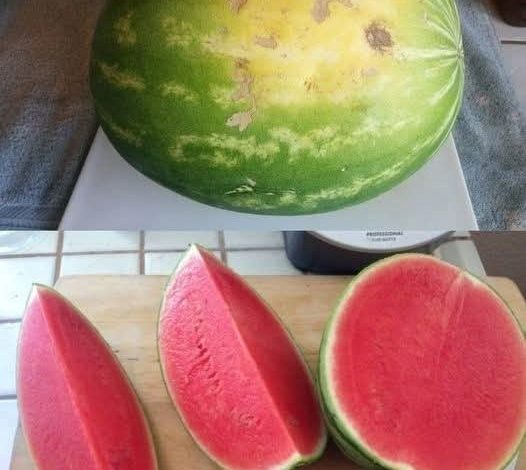
One of the best places to start is the field spot, the patch where the watermelon rested on the ground while it grew. A pale or white field spot may suggest the melon was picked before it reached full maturity. A creamy yellow or deeper golden patch is often viewed as a better sign because it can indicate the fruit spent more time ripening on the vine.
Shoppers may also notice brown, rough-looking lines or web-like markings on the rind. While they are not the prettiest feature, many experienced buyers do not avoid them. These markings are commonly linked with pollination activity, and some growers associate stronger pollination with better sweetness.
Shape is another traditional clue some shoppers use. Rounder watermelons are often believed to be sweeter, while longer, more oblong melons are sometimes thought to contain more water. This idea is not a guarantee, and opinions vary, but many people still use shape as one factor among several.
The stem can also tell part of the story. A fresh green stem may mean the watermelon was picked earlier, while a dry brown stem can suggest it stayed on the vine longer. Since watermelons do not ripen much after harvest, signs of vine maturity are worth noticing.
What to Check Before Buying Pineapple
Pineapple can be misleading because color alone does not tell the whole story. A pineapple with some green on the outside can still taste good, while a very golden pineapple is not automatically perfect.
One common test is to gently pull a center leaf from the crown. If it comes out with slight resistance, many shoppers take that as a good sign. If it slips out too easily, the pineapple may be past its best point. If it will not move at all, the fruit may still need more time.
Firmness matters too. A good pineapple should feel solid but not rock-hard, with just a little give when gently squeezed. If it feels very soft, it may be breaking down inside. If it feels extremely hard, it may not be mature enough for the flavor most shoppers want.
Smell is often one of the most useful checks. Turn the pineapple over and smell the base. A pleasant sweet aroma usually points to ripeness. Little or no scent can suggest the pineapple is not ready, while a strong fermented smell may mean it has gone too far.
Why Scent, Weight, and Texture Matter for Melons
Cantaloupe offers several helpful clues if you slow down for a few seconds in the produce section. Start by checking the surface. Bruises, cracks, mold, or soft spots can point to declining quality, and a healthy cantaloupe should feel solid and free from major damage.
Color is another important sign. Large green areas often suggest the melon was harvested before it fully matured. Many shoppers look for a warm tan or beige rind with very little green remaining. That appearance can indicate the fruit had more time to develop sweetness before it was picked.
Weight can help when comparing similar cantaloupes. A melon that feels heavy for its size often contains more moisture, which may lead to a juicier texture. A noticeably light melon may be drier, though weight should still be considered alongside other signs.
The blossom end, opposite the stem, is also worth checking. Press it gently. A slight give can be a good sign, while a completely firm end may point to underripeness. If it feels very soft, the melon could be overripe or deteriorating.
A ripe cantaloupe usually has a sweet, pleasant scent. If there is no aroma, it may not be ready. If the smell is overpowering, the fruit may have passed its prime.
None of these methods can promise perfect fruit every time. Weather, harvest timing, shipping, and storage all affect what ends up in the grocery bin. But looking for field spots, checking firmness, comparing weight, and using scent can make shoppers more consistent.
The next time you shop for watermelon, pineapple, or cantaloupe, take a moment before placing one in your cart. A few small checks may help you bring home fruit that is actually worth cutting into.