The Secret Danger in Your Bathroom: Why That Clove Water Soak Might Be Doing More Harm Than Good
You might think you’ve discovered a natural, ancient miracle for intimate wellness, but that trendy DIY soak could be a recipe for absolute disaster. Social media is buzzing with talk of clove water sitz baths, promising everything from relief to restoration. It sounds like the perfect, herbal answer to discomfort, but beneath the surface of that aromatic water lies a hidden, painful truth that could land you in the doctor’s office. Before you rush to your spice cabinet, you need to understand why your most sensitive tissues are screaming “stop” and why this viral wellness trend is putting your health at serious risk.
For centuries, cloves have been celebrated in traditional medicine for their distinct, warm aroma and potent antioxidants. Because of these qualities, a narrative has emerged suggesting that clove-infused water can be a gentle, cleansing solution for intimate hygiene or postpartum recovery. However, there is a massive, dangerous disconnect between the properties of a spice and the needs of delicate human anatomy. The genital area is comprised of highly sensitive skin and mucous membranes that are designed to maintain a precise, fragile balance. When you introduce harsh, reactive substances to this environment, you aren’t just “refreshing” yourself—you are inviting irritation, infection, and potential chemical damage.
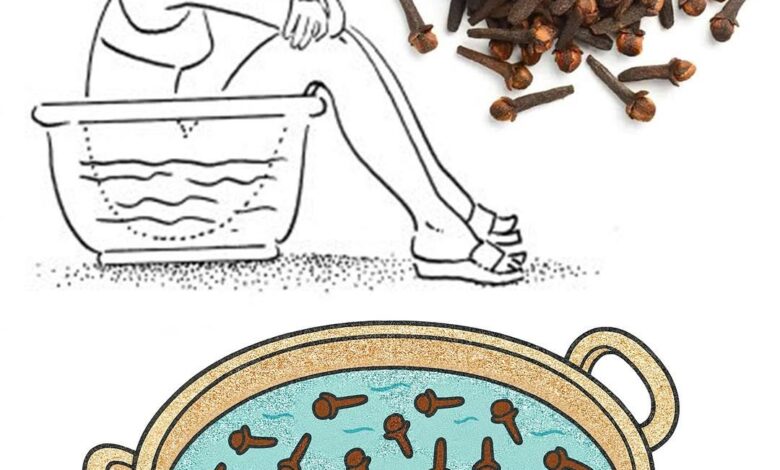
To understand why this is so problematic, we must first look at what a sitz bath is actually intended to do. A sitz bath is a shallow, warm-water soak designed to provide relief to the perineal area. Doctors and midwives frequently recommend them for specific medical reasons: to soothe the discomfort of tearing or episiotomies after childbirth, to provide relief from hemorrhoids, or to manage the symptoms of anal fissures. In these medical contexts, the primary “remedy” is the warm water itself. The heat promotes increased blood flow, which accelerates healing, and helps to relax tense pelvic muscles. When used simply and cleanly, it is one of the most effective, low-risk tools in modern care.
The trouble begins when people feel the urge to “enhance” that water with herbs, spices, or essential oils. Cloves contain a powerful compound called eugenol. While eugenol is legitimately used in controlled dental applications to numb pain and provide antiseptic support, the mouth is not the same as the genital region. When you boil whole cloves, you release this compound directly into the water. If you were to soak in that infusion, you are essentially exposing your most absorbent, reactive tissues to a chemical that is designed to be a potent irritant.
The risks associated with this practice are not merely theoretical; they are clinical realities. First, there is the immediate threat of skin irritation or chemical burns. Eugenol is a known irritant, and in the concentrated environment of a warm soak, it can cause immediate redness, intense itching, and severe pain. Furthermore, the vagina is a self-cleaning organ that relies on a very specific, slightly acidic pH level—usually between 3.8 and 4.5—to remain healthy. This acidity is maintained by beneficial bacteria known as Lactobacillus. Introducing herbal infusions can significantly disrupt this microbiome, effectively killing off the “good” bacteria that protect you from yeast infections and bacterial vaginosis. Once that natural barrier is compromised, the door is wide open for the very infections you were likely trying to avoid in the first place.
Moreover, if you are currently dealing with any kind of active infection, the situation becomes exponentially worse. Using an herbal soak when your tissues are already inflamed or compromised by an STI, yeast infection, or BV can exacerbate the symptoms, cause deep tissue inflammation, and delay the professional medical treatment you actually need. There is no reputable scientific evidence suggesting that clove water cures infections, eliminates odors, or accelerates the healing of wounds. In fact, if you hear claims that it does, you are hearing myths, not medicine.
It is worth noting that some people, in a misguided attempt to “boost” the remedy, turn to clove essential oil. This is a severe safety hazard. Essential oils are extremely concentrated plant extracts, and adding them to a bath—even a dilute one—can result in devastating chemical burns to sensitive areas. If you are ever tempted to try an herbal soak, you must understand that there is no room for essential oils or ground spices in that process.
If you are suffering from genuine discomfort—whether postpartum or due to other irritations—the gold standard of care remains the simplest one: plain, clean, warm water. It is safe, it is effective, and it does not disrupt your body’s natural harmony. If you feel you need more, consult with a qualified healthcare professional, such as your OB-GYN or midwife. They may recommend proven, gentle alternatives like a tiny amount of baking soda for itching (if appropriate for your specific condition), colloidal oatmeal to soothe inflamed skin, or a plain, unscented chamomile tea soak to provide mild calming effects.
Ultimately, your body is not a laboratory for social media experiments. You do not need bold scents or aggressive home remedies to be clean or healthy. The most profound form of self-care is respecting the biological design of your body rather than trying to “correct” it with harsh ingredients. Before you attempt any new hygiene ritual, take a moment to consider the potential consequences. Ask yourself if the goal is truly healing, or if it is just chasing a trend. In intimate care, silence and neutrality are often the best signals of health. Stop looking for miracles in your spice rack and start listening to what your body is actually asking for: protection, balance, and, above all, simplicity. True wellness is not about forcing your body into a new state; it is about honoring the resilient, self-regulating balance that already exists within you.