The Quiet Architect Behind a Hip-Hop Empire
Wu-Tang Clan’s story is often told through the voices that changed hip-hop: the verses, the albums, the stage presence, and the unmistakable sound. But some of the group’s most important moves happened away from the studio, where strategy, branding, and long-term business thinking helped turn a rap collective into a cultural force.
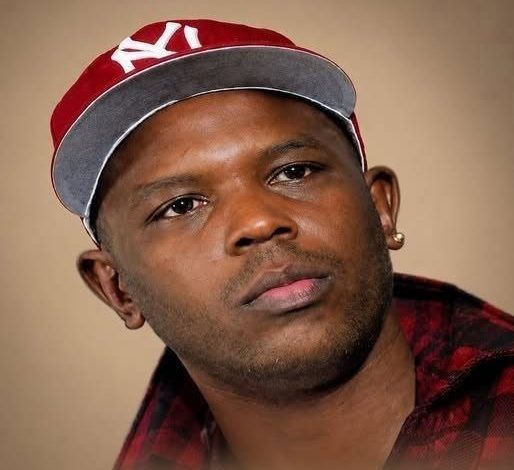
Oliver “Power” Grant was one of the people who helped make that possible.
Grant, who has died at 52, is being remembered not just as someone connected to Wu-Tang Clan, but as a key figure in the broader vision that helped the group grow beyond music. His work reflected a major shift in hip-hop: artists and their teams were no longer thinking only about record sales. They were thinking about ownership, identity, fashion, and lasting cultural value.
Building More Than a Music Career
When Wu-Tang Clan emerged in the early 1990s, the group did not follow the usual industry blueprint. Instead of presenting its members as isolated solo acts competing for space, Wu-Tang built a collective identity that gave each artist room to stand out while still strengthening the larger brand.
Grant understood the power of that model. Working alongside artists including Method Man and GZA, he supported an approach built around independence, creative control, and expansion beyond traditional record-industry limits.
That kind of thinking mattered. In an era when many artists depended heavily on labels for visibility and income, Wu-Tang’s wider strategy showed how a group could create its own lane. The music was the foundation, but the name, image, and business structure became part of the story too.
How Wu Wear Changed the Conversation
One of the clearest examples of that vision was Wu Wear, the clothing venture tied to the group’s identity. It helped show that hip-hop could operate as a lifestyle brand, not just a genre of music.
For fans, wearing Wu-Tang gear was not simply about buying merchandise. It was a way to connect with a movement. For the group, it represented a business opportunity that reached beyond albums, tours, and radio play.
That idea has become common in modern entertainment. Today, artists often build revenue through fashion lines, digital platforms, licensing, collaborations, and direct-to-consumer products. Wu-Tang was part of the earlier wave proving that cultural credibility could translate into a broader business ecosystem when handled with purpose.
The Bigger Picture
Grant’s legacy points to something that can be easy to overlook: major cultural movements are rarely built by performers alone. Behind the scenes, there are organizers, business minds, relationship builders, and people willing to protect an idea before the rest of the world fully understands it.
Wu-Tang Clan’s influence now stretches across music, fashion, branding, entrepreneurship, and the way artists think about independence. Grant played a role in that larger framework, helping support a structure that allowed the group’s creativity to grow while keeping its identity intact.
His passing has brought renewed attention to the people who help shape culture without always becoming the most visible names in it. In hip-hop history, the spotlight matters — but so do the people standing just outside it, building the path that lets the music travel further.
For anyone who follows Wu-Tang Clan’s legacy, Grant’s story is a reminder that impact is not always measured by who holds the microphone.