The Overnight Heel Routine Many People Overlook
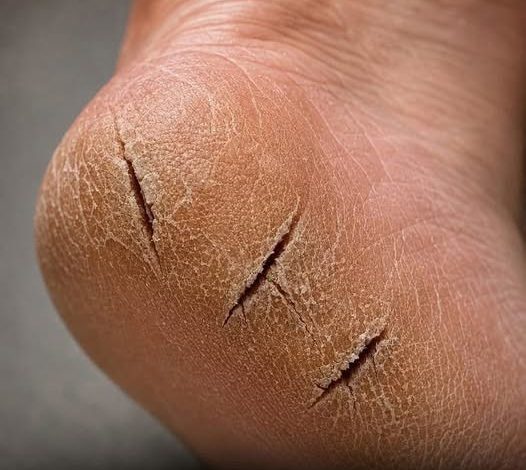
Cracked heels often start quietly: a rough patch, a dry edge, or a hard area that feels more annoying than serious. But when dry skin keeps taking pressure day after day, those small rough spots can split and become uncomfortable to stand or walk on.
For many mild cases, the answer is not an expensive treatment. A simple overnight routine using petroleum jelly, warm water, and socks may help dry heel skin hold onto moisture and become more flexible over time.
Why Heels Crack in the First Place
Your heels carry a lot of weight every time you stand or walk. As pressure pushes down, the skin around the heel spreads slightly outward. When skin is healthy and moisturized, it can handle that movement more easily.
Dry heel skin is different. It becomes harder, tighter, and less elastic. Once that stiff skin is repeatedly stretched by normal walking, it can begin to split.
That means cracked heels are usually not caused by dryness alone. They often happen when dryness and pressure work together.
Everyday habits can make the problem worse. Very hot showers may strip moisture from the skin. Walking barefoot can put direct stress on the heel. Open-back shoes, sandals, and flip-flops can allow the heel to spread more with each step. Long hours of standing can add even more pressure.
For people who naturally develop dry or thick heel skin, those ordinary routines may be enough to turn mild roughness into deeper cracks.
The Simple Overnight Routine
Petroleum jelly does not work like a foot file or exfoliating cream. It does not remove thick callused skin. Instead, it creates a protective layer on the surface that helps slow water loss from the skin.
In practical terms, it helps seal moisture in. That can make the heel feel softer and more flexible, which may reduce the chance of dry skin continuing to split under normal pressure.
A basic nighttime routine can start with a short soak in warm water. The water should be warm, not hot, because very hot water can worsen dryness. A few minutes is usually enough to soften the surface before moisturizing.
After soaking, gently pat the feet dry. Leaving the skin slightly damp can give the petroleum jelly moisture to seal in.
If there is loose, thick dead skin, gentle smoothing may help. A pumice stone or soft foot file can be used lightly, but the goal is gradual care, not scraping away as much skin as possible in one session.
Avoid aggressive filing if the heel is painful, bleeding, or deeply cracked. Scrubbing too hard can irritate the area and make small cracks worse.
Once the heel is clean and slightly damp, apply petroleum jelly over the dry areas and around the edges of any cracks. It does not need to be rubbed in completely. Its main job is to remain on the surface and help reduce moisture loss.
Cotton socks can make the routine more effective and less messy. They help keep the petroleum jelly in contact with the heel instead of letting it rub off on bedding. Nighttime is useful because your feet stay relatively still for several hours.
Some people notice softer skin by morning. Mild dryness may improve within a few days of consistent care. Deeper cracks can take one to two weeks or longer, depending on how severe they are and how much pressure the heels continue to receive during the day.
What Readers Should Know
Moisturizing at night can help, but it may not solve the problem if the same daytime pressure keeps returning. Open-back shoes and flip-flops may offer limited support and can let the heel spread outward as you walk.
More supportive footwear can reduce some of that repeated stress. That gives moisturized skin a better chance to recover instead of being stretched and split again.
Petroleum jelly is useful for sealing in moisture, but it does not actively break down heavy callus buildup. If the heel has thick, hardened skin, products with softening ingredients such as urea may be more helpful for that part of the problem. For some people, gentle callus care plus regular moisturizing works better than either approach alone.
It is also important to know when home care is not enough. Medical evaluation may be appropriate if heel cracks become painful, start bleeding, look infected, or fail to improve after several weeks of regular care.
Once a crack becomes deep, the skin barrier is no longer fully intact. Increasing pain, redness, swelling, drainage, or other unusual changes should not be treated as simple dryness.
People with diabetes should be especially careful with foot problems. Aggressive scraping should be avoided, and cracks that are painful, bleeding, worsening, or not improving should be taken seriously.
For uncomplicated dry heels, steady care can make a noticeable difference: soak briefly, moisturize while the skin is slightly damp, protect the area overnight, and reduce pressure during the day when possible.
Cracked heels usually develop gradually, and improvement often works the same way. A small nightly habit may be enough to help mild dryness become softer, more comfortable, and easier to manage.