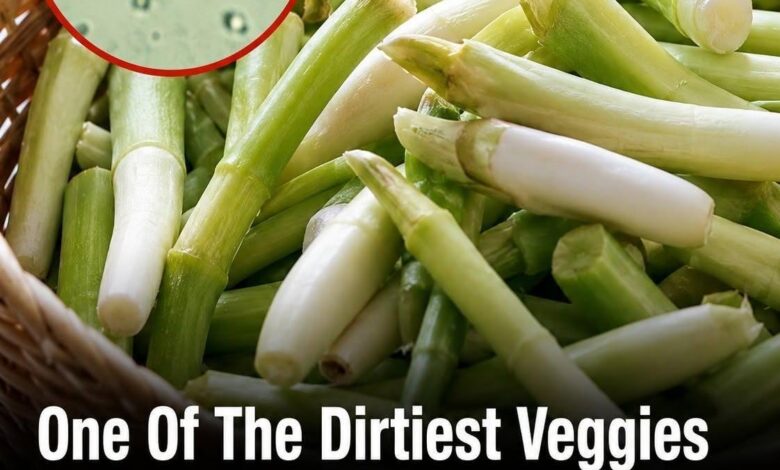
The Hidden Poison in Your Pantry: Why That Simple Garnish Could Be Making You Sick
You reach for the green onions to add a crisp, fresh finish to your favorite dish, never suspecting that the vibrant stalks might be harboring a silent, microscopic threat. We treat these kitchen staples as harmless, yet they are increasingly linked to dangerous foodborne illnesses that can send you straight to the emergency room. Are you unknowingly inviting bacteria like Salmonella or E. coli into your home every time you chop a scallion? While many dismiss these concerns as alarmist, the reality is that your prep routine may be missing a critical safety step. It is time to uncover the truth about these hidden dangers and learn how to protect yourself before your next meal.
Green onions, commonly known as scallions or spring onions, are beloved worldwide for their mild, zesty bite. Whether they are finely sliced over a steaming bowl of ramen, tossed into a crisp garden salad, or used as a fragrant base for a stir-fry, they provide essential flavor and a nutritional punch. They are packed with vitamin K, vitamin C, folate, and fiber—nutrients that support heart health and immune function. However, their unique anatomy also makes them a prime vehicle for contamination. Because they spend their growing season partially buried in the soil, they are exposed to the environment from day one.
The journey from the farm to your plate is long, and it is fraught with risks. During cultivation, green onions can come into contact with contaminated irrigation water, animal waste, or unsanitary harvesting equipment. Because these vegetables are harvested so close to the earth, the very crevices that make them delicious can also trap harmful pathogens. If those microorganisms are not removed before they hit your cutting board, you are at risk. Unlike meat or dense root vegetables, green onions are rarely subjected to the high-heat cooking processes that effectively kill dangerous bacteria like Salmonella, Listeria, or E. coli. When consumed raw, even a tiny amount of contamination can lead to symptoms ranging from moderate nausea and stomach cramps to severe, life-threatening dehydration.
The medical community is clear: while healthy adults might recover from these illnesses within a few days, the stakes are significantly higher for vulnerable populations. Young children, older adults, pregnant women, and individuals with compromised immune systems are much more likely to experience severe complications. However, the solution is not to banish these nutritious vegetables from your diet. The answer lies in transforming how we view “fresh” produce. We must move away from the assumption that a quick rinse is sufficient and instead adopt a rigorous approach to kitchen hygiene that treats raw produce with the same caution we reserve for raw poultry.
First, your cleaning process needs a complete overhaul. Start by removing the damaged, outer leaves, which are the most likely to harbor trapped dirt and bacteria. Always trim away the roots, as they are essentially magnets for soil and debris. When washing, do not simply pass them under a faucet; use a large bowl of cold, clean water and gently rub the stalks with your fingers. Pay obsessive attention to the white base where the leaves meet, as this is the primary location for trapped soil. If you are preparing a dish that doesn’t strictly require the raw texture—such as a hearty soup or a savory omelet—cooking them is an excellent strategy. Heat is the ultimate sanitizer; reaching an internal temperature that destroys pathogens provides a crucial layer of security for your family.
Beyond washing, we must address the invisible danger of cross-contamination. Many home cooks are meticulous about cleaning their onions, only to let them touch a cutting board previously used for raw meat or poultry. This is a common and often devastating mistake. Treat your cutting board as a sterile zone. If you have been prepping chicken or beef, wash the board thoroughly with hot, soapy water—or ideally, switch to a fresh one—before bringing your fresh vegetables into the equation. Use separate utensils, and wash your hands with soap for at least twenty seconds before and after handling any raw agricultural product.
Storage is the final, frequently overlooked frontier of food safety. Green onions are perishable, and their quality degrades rapidly in the wrong conditions. Refrigerate them immediately after purchase and avoid letting them sit at room temperature on your counter, where the warmth can accelerate bacterial growth. Keep a watchful eye on your supply; if you notice the leaves becoming slimy, discolored, or developing an unusual odor, do not try to “save” them by trimming the bad parts. Spoilage is a major red flag that bacteria have already colonized the vegetable, and it is simply not worth the risk to your health. When in doubt, throw them out.
Modern food safety systems are highly advanced, and parasite contamination is relatively rare in developed countries, but bacterial outbreaks remain a persistent reality. The goal of understanding these risks is not to fuel anxiety, but to empower you with the knowledge to maintain a safe, healthy, and vibrant kitchen. We live in an era where we have more access to nutritional information than ever before; let’s use it to refine our habits rather than retreat in fear. Fresh vegetables remain a pillar of a healthy lifestyle, and they should be a staple in your home. By sourcing your produce from reputable growers, practicing vigilant cleaning techniques, and maintaining a high standard of cross-contamination awareness, you can continue to enjoy the zesty flavor of green onions with complete peace of mind. Your food hygiene practices are the most effective defense you have, and by treating every vegetable as a raw, delicate product, you ensure that the meals you serve are as safe as they are delicious.