The Hidden Killer In Your Bed Why Waking Up With These Itchy Red Patches Is A High Stakes Medical Emergency That Could Shut Down Your Ability To Breathe In Minutes-
Itchy Red Welts After Sleep? When “Just a Rash” Could Be a Fast-Moving Medical Emergency
Waking up with itchy red patches can feel like a minor inconvenience—maybe a new laundry detergent, a mosquito bite, or a suspected bed bug problem. Most of the time, skin irritation is exactly that: uncomfortable, annoying, and temporary.
But there’s a critical exception that can turn a simple-looking rash into a life-threatening emergency. In some cases, those itchy welts are the first visible sign of anaphylaxis—a severe allergic reaction that can escalate quickly and interfere with breathing and circulation.
What Hives Can Really Mean (And Why They Matter)
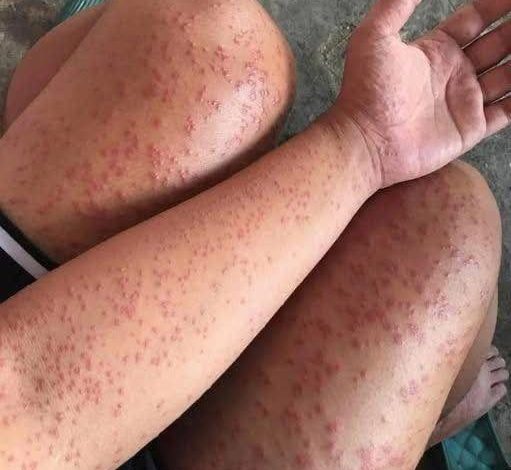
The most common skin clue linked to serious allergic reactions is hives (also called urticaria). They often look like raised, red or pink welts that:
- Itch intensely or burn
- Spread rapidly across the arms, legs, chest, or back
- Come and go in different spots
Hives alone can happen for many reasons and aren’t always dangerous. The risk changes dramatically when hives show up alongside symptoms that suggest your airway or blood pressure is being affected.
The “Red Line” Symptom: Any Change in Breathing
If you notice hives and any breathing-related symptom, treat it as urgent. Breathing problems can start subtly and worsen fast. Warning signs include:
- Chest tightness or feeling like you can’t get a full breath
- Wheezing, coughing, or a raspy throat
- Swelling or tingling of the lips, tongue, or face
- A sensation that your throat is narrowing or “closing”
Other serious symptoms can show up at the same time, such as:
- Rapid heartbeat
- Dizziness or faintness
- Sudden weakness or confusion
- Signs of shock (pale, clammy skin; extreme lightheadedness)
When hives and breathing issues occur together, it can indicate a systemic reaction where the immune system releases chemicals that may cause airway swelling and a dangerous drop in blood pressure.
Common Triggers That Can Strike Without Warning
Anaphylaxis isn’t rare, and triggers can be surprisingly ordinary. Some of the most common include:
- Food allergies (peanuts, tree nuts, shellfish, eggs, milk, and more)
- Medications (including certain antibiotics and pain relievers)
- Insect stings (bees, wasps, hornets)
- Unknown triggers (some people experience severe reactions without an obvious cause)
One of the scariest realities is that many people don’t know they’re at risk until the first severe reaction happens—sometimes waking them up in the middle of the night.
Why Waiting It Out Can Be Dangerous
It’s human nature to downplay symptoms, especially at night. People often assume a shower, an antihistamine, or “sleeping it off” will solve the problem.
But when anaphylaxis involves the airway, the situation can deteriorate quickly. In severe cases, swelling and airway constriction can progress within minutes. That’s why prompt action is so important—because the safest window to act may be short.
What to Do If Hives Come With Breathing Trouble
If you or someone near you has hives plus breathing difficulty, facial/tongue swelling, faintness, or signs of shock:
- Call emergency services immediately. Don’t “wait and see.”
- Use an epinephrine auto-injector (if prescribed and available) as directed. Epinephrine is designed to counter severe allergic reactions and buy time for emergency care.
- Stay with the person and monitor them closely. Symptoms can change quickly.
- Positioning may help: if they feel faint, lying down with legs elevated can support circulation (unless breathing is easier sitting up).
Important: Even if symptoms improve after epinephrine, emergency evaluation is still essential, because reactions can return or worsen later.
How to Tell a Mild Skin Reaction From a True Emergency
Many everyday rashes—like mild contact dermatitis, heat rash, or localized insect bites—are uncomfortable but usually don’t affect breathing or circulation.
The key difference is system involvement. If the reaction goes beyond the skin—especially into the lungs, throat, or cardiovascular system—it’s no longer “just a rash.”
Bottom Line: Respect the Signal Your Body Is Sending
Skin symptoms can be a surface-level issue—or they can be the earliest visible warning of something much more serious. Knowing the difference can protect you and the people you care about.
If itchy welts appear with any breathing changes, swelling of the mouth/throat, or dizziness, treat it as urgent and get medical help right away.
CTA: Have you ever experienced sudden hives or an unexplained allergic reaction? Share your experience in the comments—and consider sending this article to a friend or family member so they know what to watch for too.