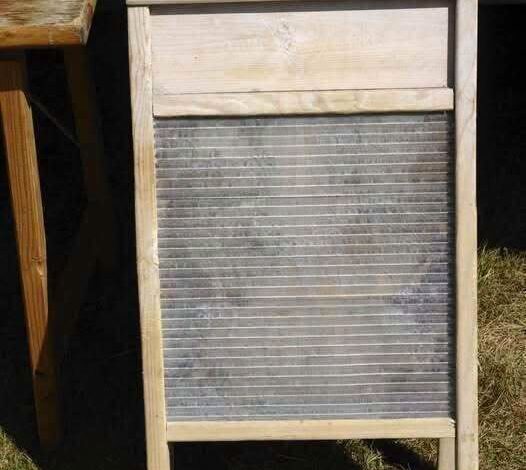
The Forgotten Laundry Tool That Once Made Washing Clothes Much Easier
At first glance, it might look like nothing more than an old, rusty metal device sitting among dusty furniture, vintage dishes, and forgotten tools at a neighborhood yard sale. Many people would probably walk past without giving it a second thought. Others might pause to examine its unusual shape and wonder what it was originally designed to do.
However, for people who remember traditional household routines, this simple machine represents an important part of everyday life. It is an antique laundry wringer, a practical invention that helped families manage one of the most demanding household responsibilities of earlier generations.
Long before modern washing machines and electric dryers became common household appliances, doing laundry required considerable time, patience, and physical effort. Washing clothes was not something that could be completed quickly with the push of a button. Families had to prepare water, gather their clothing, scrub fabrics by hand, and carefully rinse everything before beginning the drying process. Even ordinary weekly laundry could become a lengthy task, especially in larger households.
The laundry wringer was developed to make one particular part of this process easier. After clothing had been washed and rinsed, it needed to have as much excess water removed as possible before being placed outside to dry. Carrying heavy, water-filled garments was difficult, and squeezing each item by hand required considerable strength. The wringer offered a more practical solution by using two rotating rollers to press water out of wet fabrics.
Most traditional models featured a sturdy metal frame, a pair of rollers, and a hand-operated crank. The person using the machine would guide a wet garment between the rollers while turning the handle. As the rollers moved together, pressure forced much of the water out of the material. The clothing could then be hung on a washing line, where sunlight and fresh air helped complete the drying process.
Although the design was relatively straightforward, these machines were often built to last. Many featured cast-iron frames, wooden components, and durable metal fittings. Their construction explains why examples can still be discovered in old farmhouses, storage buildings, basements, and antique shops many decades after they were manufactured. Some have survived with their original parts, while others have been carefully restored by collectors.
Using a traditional wringer also required attention and care. The rollers created enough pressure to make the machine effective, so hands and fingers needed to remain clear of the moving parts. Families had to teach children to stay away while laundry was being processed. Despite these practical considerations, wringers became familiar equipment in many homes because they reduced the effort involved in removing water from freshly washed clothing………….CONTINUED ON NEXT PAGE