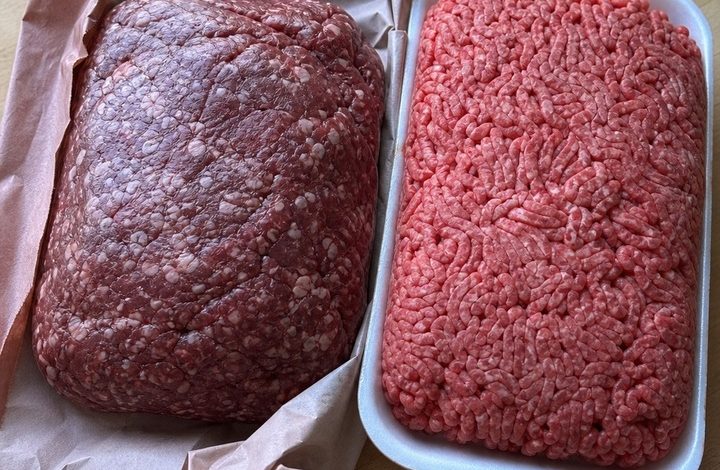
The Beef Choice Many Shoppers Overlook at the Store
Buying beef used to feel like a simple stop in the meat aisle. Today, many shoppers are looking beyond the price tag and asking where the beef came from, how it was raised, how much planning it requires, and whether the choice fits their family’s budget and values.
That is why the comparison between farm-raised beef and store-bought beef is not just about flavor. It is also about convenience, transparency, cost, access, and the kind of food system people want to support.
What Farm-Raised Beef Offers
For many buyers, the biggest appeal of farm-raised beef is the closer connection to the source. When purchasing from a local farm, customers may have more information about how the cattle were raised, what they were fed, and who handled the process before the meat reached their freezer.
Some small farms raise cattle on open pasture and operate on a more personal scale than large commercial suppliers. Supporters often say the beef has a richer taste, firmer texture, or a more traditional flavor than what they are used to buying at large supermarkets.
There is also a community angle. Buying directly from local farms can help support regional agriculture and smaller farming operations. For shoppers who care about local food networks, that connection can matter as much as the meal itself.
Still, farm-raised beef is not always the easier choice. It can require a larger upfront payment, especially when families buy a quarter, half, or whole cow. It may also mean needing freezer space, planning meals around available cuts, and finding a trustworthy farm within a reasonable distance.
Why Store-Bought Beef Still Makes Sense
Supermarket beef remains the practical choice for many households. It is easy to buy only what is needed for one dinner, compare sale prices, choose a specific cut, and shop on a tight schedule.
For families managing grocery budgets, transportation limits, fixed incomes, or busy workweeks, that convenience is not a small detail. The ability to pick up ground beef, steaks, or roasts during a regular shopping trip is a major reason store-bought beef continues to dominate everyday meals.
Large-scale meat production also gives shoppers predictable packaging, broad availability, and consistent access throughout the year. Those factors may not feel as personal as buying from a farmer, but they are valuable for people who need reliability and flexibility.
What Readers Should Know
There is no single best answer for every household. Quality, nutrition, taste, and value can vary across both farm-raised and store-bought beef depending on the farm, processor, retailer, and specific product.
Some shoppers are willing to pay more upfront for local sourcing and a closer relationship with the producer. Others prioritize weekly savings, quick meal planning, and the ability to buy smaller portions. Many people land somewhere in the middle, choosing farm-raised beef when it is available and store-bought beef when life is busy.
The smartest choice is often the one that matches your budget, storage space, cooking habits, and priorities. Asking questions, comparing total costs, and understanding how much beef your household realistically uses can make the decision clearer.
In the end, beef is more than an item in the cart. It can reflect tradition, convenience, local support, or simple practicality. However you buy it, the most useful choice is the one that works for the people sitting around your table.