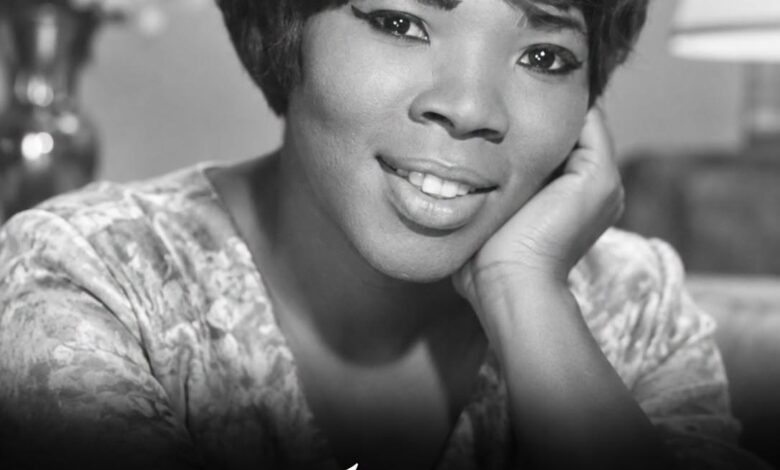
Rosalind Ashford original Martha and the Vandellas singer dies at 83
She was still a Detroit schoolgirl when she stepped up to a microphone with friends and unknowingly helped invent a sound that would circle the globe. As one of the original Martha and the Vandellas, Rosalind Ashford’s harmonies turned simple pop songs into anthems, giving joy and defiance to a generation dancing through chaos and change.
From “Come and Get These Memories” to the immortal “Dancing in the Street,” her voice threaded through nearly two dozen R&B hits and carried her all the way to the Rock & Roll Hall of Fame, only the second all‑female group to be honored there. Offstage, she worked a regular job, raised a family, and kept performing with former Vandellas, never chasing the spotlight she so clearly deserved. Now, as tributes pour in and Martha Reeves’ words echo with grief, the records remain — proof that Rosalind Ashford’s voice will never truly fall silent.
The enduring power of those recordings rests partly in the way the voices work together. A lead line can announce a feeling, but harmony gives that feeling depth and movement. Ashford’s contribution belonged to that shared sound, one in which individual voices became inseparable from the character of the group. Listeners may remember the title first, then a rhythm, then the familiar arrival of the harmonies that make the song feel complete.
That is why the loss reaches beyond a single name in a list of performers. The music has accompanied people through ordinary days as well as major milestones. A record played at a family gathering can carry the memory of the people who were in the room. Years later, hearing it again brings back more than the melody. The voice remains connected to a place, a period of life, and the people with whom the listener first shared it.
Ashford’s story also includes the quieter life beyond the stage. Raising a family and working a regular job placed her musical achievements alongside responsibilities that audiences could recognize in their own lives. Those different parts of her life did not cancel one another out. They reveal a person whose history cannot be reduced to the brief moment when the spotlight turns toward a performer.
The recognition given to Martha and the Vandellas preserved the importance of their collective achievement. Yet the songs do something that an honor alone cannot do: they continue to move from one listener to another. A younger audience can hear the same recording without having lived through the era that produced it, discovering its energy through the voices themselves.
As friends and fans remember Rosalind Ashford, those recordings offer a lasting connection. The grief belongs to the present, while the music continues to carry the immediacy of the moment it was made. Her harmonies remain part of a sound that was built together and remembered together. That shared legacy gives the tributes their weight, and it ensures that the voice being mourned can still be heard.
For listeners returning to the songs today, remembrance begins with pressing play and hearing that familiar harmony once again.