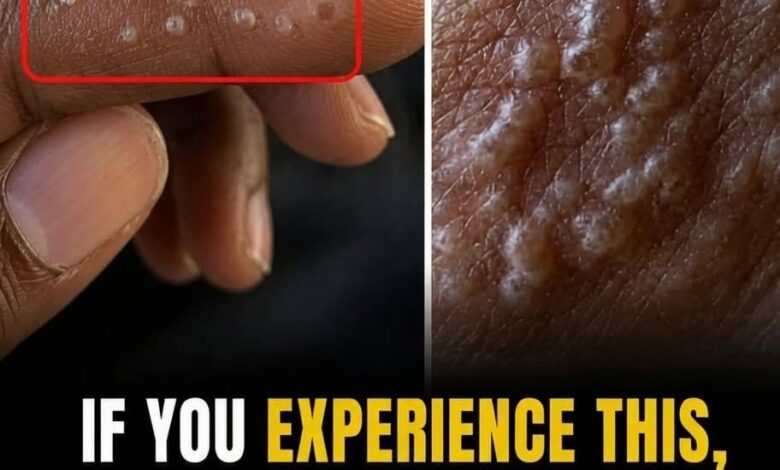
I always wondered what that was You might have 😱
Painful Red Bumps on Your Hands or Feet? It Could Be Dyshidrotic Eczema—Here’s What You Need to Know
Tiny itchy blisters may be a sign of dyshidrotic eczema—not just dry skin.
Small, itchy blisters on the fingers, palms, toes, or soles of the feet are often mistaken for a simple rash or skin irritation. However, dermatologists say these painful, fluid-filled bumps may be a sign of dyshidrotic eczema, a chronic skin condition that can cause itching, burning, redness, and recurring flare-ups.
Although the condition is not contagious, early diagnosis and proper treatment can help relieve symptoms and reduce the frequency of future outbreaks.
What Is Dyshidrotic Eczema?
Dyshidrotic eczema, also known as pompholyx, is a type of eczema that causes clusters of tiny, fluid-filled blisters.
It most commonly affects:
Fingers
Palms of the hands
Sides of the fingers
Soles of the feet
Toes
The blisters are often intensely itchy and may become painful as they dry out, crack, or peel.
Common Symptoms
Symptoms usually appear suddenly and may last for several weeks.
Common signs include:
Small, deep-seated blisters.
Intense itching.
Burning or tingling sensations.
Redness.
Dry, cracked skin after the blisters heal.
Peeling skin.
Pain when the skin splits.
Because flare-ups often return, many people experience repeated episodes over time.
What Can Trigger a Flare-Up?
The exact cause is not fully understood, but several factors may contribute, including:
Stress.
Seasonal allergies.
Frequent exposure to water.
Contact with detergents or harsh chemicals.
Sweaty hands or feet.
Warm, humid weather.
Certain metals, such as nickel or cobalt.
People with a history of eczema, asthma, or allergic conditions may have a higher risk of developing dyshidrotic eczema.
How Is It Diagnosed?
Doctors usually diagnose dyshidrotic eczema based on:
A physical examination.
Your medical history.
The appearance and location of the blisters.
In some cases, additional tests may be performed to rule out fungal infections, allergic reactions, or other skin conditions with similar symptoms.
Treatment Options
Treatment focuses on relieving symptoms and preventing flare-ups.
Depending on the severity, a healthcare professional may recommend:
Prescription topical corticosteroids.
Regular use of fragrance-free moisturizers.
Cold compresses to relieve itching.
Avoiding known triggers.
Protective gloves when using cleaning products.
Other medications for more severe or persistent cases.
Following the treatment plan consistently can help improve symptom control.
Can It Be Prevented?
While dyshidrotic eczema cannot always be prevented, you may reduce flare-ups by:
Moisturizing your hands regularly.
Avoiding harsh soaps and chemicals.
Managing stress.
Wearing gloves when appropriate.
Keeping hands and feet cool and dry when possible.
The Bottom Line
Painful, itchy blisters on the hands or feet should not be ignored, especially if they keep coming back. While dyshidrotic eczema is a chronic condition, proper diagnosis, treatment, and skin care can help manage symptoms and improve quality of life.
If symptoms are severe, recurrent, or interfere with daily activities, consult a healthcare professional for an accurate diagnosis and personalized treatment.
Because several skin problems can look similar, self-diagnosis may be unreliable. A clinician can distinguish dyshidrotic eczema from fungal infections, contact reactions, and other causes of blistering, and treatment depends on that distinction.
During a flare, gentle skin care can reduce additional irritation. Avoid picking or breaking the blisters, use fragrance-free products, and protect the skin from detergents and repeated water exposure. Keeping a record of stress, weather, products, and activities before each episode may help identify personal triggers.
Seek medical advice promptly if redness spreads, pain increases, the skin becomes warm, or signs of infection appear. Persistent cracks can make daily tasks uncomfortable and allow bacteria to enter. With an accurate diagnosis, consistent moisturizing, trigger avoidance, and prescribed treatment when needed, many people can reduce the severity and frequency of outbreaks.