A 71-Year-Old Trusted Someone Online, Then Things Changed
A reported case involving a 71-year-old man has become a reminder of how easily online conversations can feel personal, familiar, and trustworthy — even when the person on the other side has not been properly verified.
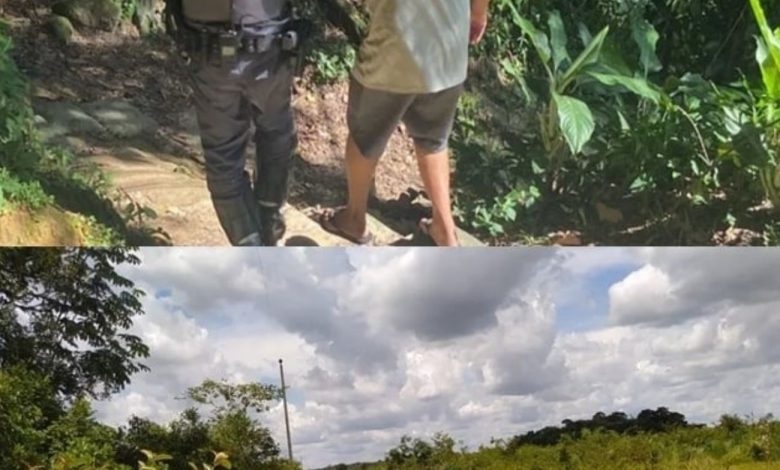
According to reports, the man believed he had formed a connection with a young woman online. After communicating digitally, he agreed to meet in person. But when he arrived, the situation was reportedly not what he had expected, raising concerns about misleading online identities and the risks of trusting someone based only on messages.
Authorities later indicated that the online identity may not have accurately represented the person or people behind the communication. The full details of the case remain tied to the reported incident, but the broader lesson is clear: online profiles can be easy to create, difficult to verify, and sometimes used to mislead others.
Why Online Trust Can Build So Quickly
For many people, digital communication has become a normal part of daily life. Social media, messaging apps, forums, and online communities make it possible to meet people with shared interests, maintain long-distance friendships, and find companionship from home.
That convenience is one reason online conversations can become emotionally powerful. Regular messages may create a sense of routine. Shared stories can feel intimate. A person who replies often and seems interested may begin to feel familiar, even if their identity has never been confirmed.
This can happen to people of any age. However, older adults may face added challenges if they adopted digital services later in life or are less familiar with newer online scams, privacy settings, or identity verification tools.
Loneliness, retirement, distance from family, or a desire for new social connection can also make online communication appealing. Those are normal human needs, not weaknesses. The risk comes when trust develops faster than verification.
What Readers Should Know
Online safety experts commonly recommend taking extra care before sharing personal information or agreeing to meet someone known only through the internet. A profile photo, name, or friendly conversation is not proof of identity.
Warning signs can include someone avoiding video calls, refusing to provide verifiable details, changing their story, pushing for secrecy, or trying to rush a relationship or meeting. None of those signs proves wrongdoing on its own, but they are reasons to slow down and check further.
If an in-person meeting is ever arranged, it is generally safer to choose a public location, tell a trusted friend or family member where you are going, and avoid sharing financial information, passwords, account details, private documents, or other sensitive data.
Privacy also matters. Many people reveal more than they realize through casual messages, photos, location details, or social media posts. Once personal information is shared online, it can be hard to control how it is used.
The Bigger Picture
The internet has created real opportunities for friendship, learning, and community. It allows people to connect across cities, countries, and generations in ways that were not possible before.
At the same time, digital platforms can make it easier for someone to present a false identity. Unlike face-to-face communication, messaging often removes important signals such as body language, tone, and immediate context. That can make it harder to judge whether a person is being honest.
Technology companies continue to improve security features, and many platforms now offer tools that help users report suspicious behavior or protect their accounts. Still, personal caution remains one of the most important layers of protection.
The reported experience of the 71-year-old man is a useful reminder that online connection should not require blind trust. Curiosity and kindness can still have a place online, but they are safest when paired with patience, verification, and a willingness to step back when something does not feel right.
As digital life becomes even more central to everyday communication, stories like this are worth remembering before the next message turns into a meeting.