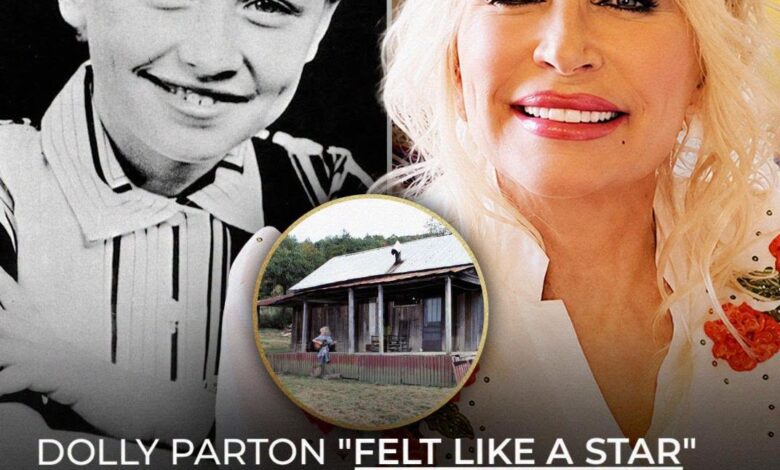
Inside Dolly Partons Modest Log Cabin Childhood Home Where She Sang Into a Tin Can and Dreamed of Stardom Photos
Long before Dolly Parton became synonymous with rhinestones, packed arenas, and international fame, she imagined audiences from the porch of a one bedroom cabin in the mountains of East Tennessee. Her microphone was sometimes a tin can, and her listeners included siblings, chickens, dogs, and anyone close enough to hear a child practicing for a future she could barely describe.
Parton was one of 12 children born to Robert Lee and Avie Lee Parton near Locust Ridge in Sevier County. The family’s home was small, crowded, and materially poor. There was little privacy, and every useful object had to stretch across many people and many years.
Her mother made quilts and curtains, altered existing clothes, and created garments from feed sacks and scraps. Those memories later became inseparable from Coat of Many Colors, the song in which a handmade patchwork coat becomes a symbol of love stronger than the ridicule of classmates.
The cabin’s modest rooms show what the lyrics mean in physical terms. Beds were shared, possessions were limited, and family life unfolded within constant closeness. The setting could be difficult, but Parton resisted portrayals that reduced her childhood to misery. She remembered music, humor, faith, stories, and affection alongside deprivation.
Music offered both expression and direction. Dolly sang at church, performed for relatives, and treated the porch like a stage. A homemade microphone may have been a toy, but the ambition behind it was serious. She wanted to write songs, reach listeners, and step into the world beyond the mountains.
The day after graduating from high school in 1964, she left for Nashville. The decision transformed a private dream into practical risk. Nashville contained talented singers everywhere, and success required songwriting, persistence, business judgment, and the willingness to be underestimated without becoming discouraged.
Parton eventually built one of country music’s largest careers, but she kept returning to the landscape and experiences that formed her. Songs about home, family, work, shame, pride, and departure carried the emotional truth of the cabin even when performed under bright television lights.
At Dollywood, a replica of the childhood home was created with help from her mother. Visitors can see the scale of the rooms and objects associated with the family’s daily life. The replica is not a perfect substitute for the original place, but it allows millions to understand the distance between Dolly’s beginnings and achievements.
Her success also flowed back into the region. Dollywood became a major employer and tourist destination, while the Dollywood Foundation and Imagination Library turned fame into education and community support. The child who practiced with a tin can eventually helped place books in the homes of millions of children.
Parton’s nephew later described her as a farmer like her father, except that he farmed soil while she farmed songs and happiness. The comparison captures continuity beneath the transformation. Her work ethic, sense of responsibility, and attachment to place remained rooted in the values of her childhood.
The cabin matters because it prevents celebrity from appearing inevitable. Nothing about one crowded room guaranteed a global career. The path required talent, risk, discipline, luck, and an extraordinary ability to turn personal detail into stories other people recognized as their own.
Dolly Parton’s childhood home still stands as evidence of an imagination larger than its surroundings. She did not erase the cabin when she left. She carried it into songs, businesses, philanthropy, and the image she built. The tin can was temporary; the dream rehearsed into it became a life.
The preserved cabin invites visitors to look beyond celebrity and notice the disciplined imagination that preceded opportunity. Its handmade details show how hardship, family memory, faith and humor became creative material she carried throughout her life.