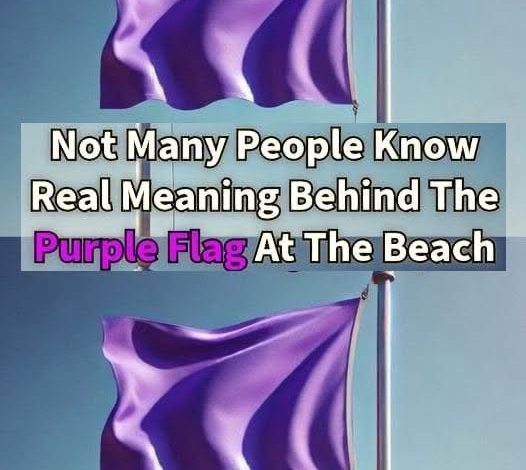
See a Purple Flag at the Beach? Here’s What It Really Means
A day at the beach can look calm and inviting, but colored warning flags can provide important information about conditions in the water.
A purple beach flag is commonly used to warn about potentially hazardous marine life. Depending on the beach and local flag system, the warning may relate to jellyfish, stingrays, or other marine animals that could cause injury or discomfort.
Because marine life can be difficult to see, this type of warning may be less obvious than a flag indicating strong waves or dangerous currents.
Why Is a Purple Flag Used?
Marine animals can sometimes be present even when the ocean appears calm.
For example, jellyfish may be difficult to spot because some species are translucent and can blend into the surrounding water. Their presence can vary depending on weather, currents, water temperature, and other local conditions.
Stingrays can also be difficult to notice because they may rest on or beneath sandy areas in shallow water. People walking through the water should follow local guidance and avoid disturbing marine animals.
Other types of marine life may also be covered by a purple-flag warning, depending on the beach and its specific flag system. For this reason, visitors should always check the signs and instructions provided at the beach rather than assuming that the same flag has exactly the same meaning everywhere.
What Should You Do When You See a Purple Flag?
If a purple flag is flying, take a moment to check the beach’s posted information and listen to instructions from lifeguards or local authorities.
If marine life has been reported in the area, consider following any recommendations about where and when it is appropriate to enter the water. Parents and caregivers can also remind children not to touch, chase, or approach marine animals.
If you see an animal in the water, giving it plenty of space is generally the safest approach. Avoid attempting to handle or move marine life, even if it appears inactive or harmless.
Check the Local Flag System
Beach warning systems can differ from one location to another. A purple flag may have a different or more specific meaning depending on the local authority responsible for beach safety.
Before swimming, look at the posted flag information, safety notices, and any instructions provided by lifeguards. These resources can help you understand current conditions and make informed decisions about entering the water.
A purple flag is a simple visual warning, but it can provide useful information that may not be obvious from the appearance of the ocean.
The next time you visit a beach, take a few seconds to check the flags and local safety information before entering the water.