The Lethal Shower Habit Destroying Your Health After 65: What Doctors Are Begging You to Stop
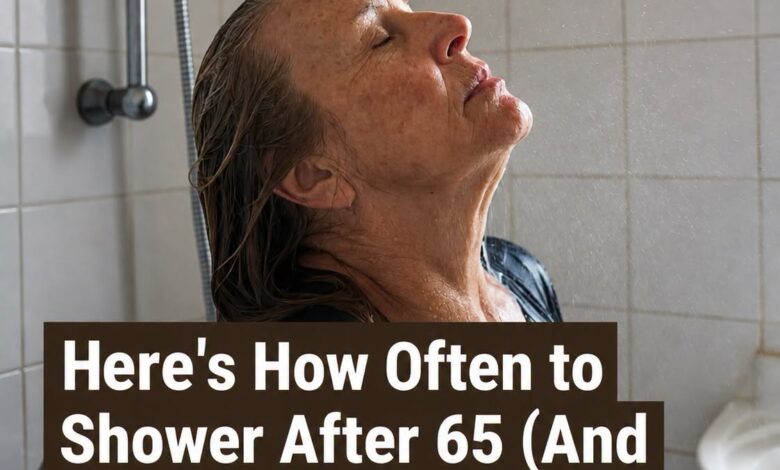
Every single day, millions of seniors step into steaming hot showers believing they are performing a basic, healthy routine of personal hygiene. But for adults over the age of sixty-five, this seemingly innocent daily ritual could be quietly unleashing a hidden nightmare upon their bodies. Beneath the rushing water, a devastating physical transformation is occurring: protective layers are being stripped away, microscopic tears are opening across the epidermis, and severe inflammation is invading the body’s largest organ. What feels like a relaxing, squeaky-clean escape is actually a dangerous habit that could destroy your health.
As the human body ages, the skin undergoes far more than mere cosmetic changes like fine lines or superficial wrinkles. Structural shifts deep within the dermal layers alter how the entire body interacts with its environment. After sixty-five, the skin’s natural lipid production declines sharply. The essential oils that once formed an invisible, resilient shield against moisture loss, harsh weather, and environmental irritants begin to dry up. Simultaneously, the outer protective barrier thins dramatically, losing its youthful elasticity and moisture-retaining capabilities.
Because of these profound physiological shifts, habits formed in youth can become surprisingly destructive later in life. For decades, many people relied on scalding hot water, heavy lathering soaps, and vigorous scrubbing with abrasive loofahs to feel refreshed. But when applied to aging skin, this aggressive bathing routine quietly erodes the delicate epidermal barrier day after day. The immediate result isn’t a healthy glow, but rather a agonizing cycle of persistent tightness, intense stinging, unrelenting itchiness, and raw, flaky patches that leave seniors feeling unsettled and uncomfortable in their own bodies.
The misconception that daily, intense washing is necessary for good hygiene is one of the most common mistakes older adults make. Over-washing strips away the tiny amount of beneficial oils the body manages to produce, leaving the skin defenseless. Microscopic cracks form across the surface, exposing delicate nerve endings to the air and creating easy entry points for harmful bacteria, fungi, and allergens. What begins as mild dryness can quickly escalate into severe dermatitis, chronic eczema, or dangerous bacterial skin infections that require medical intervention.
Reclaiming your comfort and protecting your body does not require giving up bathing entirely; instead, it demands a shift toward gentler, more deliberate choices. The single most effective change begins with adjusting the water temperature. Hot water acts as a harsh solvent, dissolving the skin’s protective fats instantly. Switching to lukewarm or warm water preserves those vital lipids while still providing a thorough, refreshing clean.
In addition to lowering the temperature, shortening the duration of your shower makes a monumental difference. Spending five to seven minutes in the water is more than enough time to cleanse the body without over-saturating and dehydrating the skin. Limiting full-body soaping to essential areas—such as the underarms, groin, and feet—allows the rest of the body to benefit from the warm water without suffering from the drying effects of chemical cleansers.
The products sitting on your shower shelf also deserve a serious audit. Many commercial bar soaps and scented body washes are packed with harsh sulfates, synthetic fragrances, and aggressive alcohol bases designed to cut through heavy grease. On senior skin, these ingredients act as potent irritants. Transitioning to ultra-gentle, fragrance-free, non-foaming cleansers or dermatologist-approved syndet bars ensures that dirt and sweat are removed without stripping away essential moisture.
How you handle your skin after turning off the tap is just as crucial as the bath itself. Scrubbing vigorously with a rough cotton towel creates friction that tears fragile skin fibers and exasperates existing irritation. Instead, practice gently patting the skin dry with a soft, plush towel, leaving a tiny hint of dampness on the surface.
This brief window of dampness is the absolute most critical moment in your skincare routine. Applying a rich, nourishing moisturizer within three minutes of stepping out of the shower seals in that residual surface water, locking hydration directly into the upper layers of the epidermis. Light, watery lotions often contain high percentages of alcohol and vanish quickly through evaporation, offering little real protection. Older adults should opt for thick, restorative creams or barrier-repairing ointments enriched with ceramides, hyaluronic acid, fatty acids, or petroleum jelly. These heavy-duty formulas recreate the natural protective shield that aging skin can no longer produce on its own.
Furthermore, many individuals find that bathing every single day is simply no longer necessary after sixty-five. Unless you have engaged in strenuous physical activity, heavy sweating, or dirty yard work, showering every two to three days is often ideal for maintaining hygiene while preserving skin health. On non-shower days, a quick sponge wash using a damp, soft cloth on key areas is completely sufficient to stay clean and fresh.
Ultimately, bathing should be a comforting, therapeutic practice rather than a source of chronic pain and irritation. When you adapt your routine to accommodate the natural biological changes of aging, you transform water from a harsh element into a healing tool. However, if your skin continues to burn, flake excessively, or cause intense itching that disrupts your sleep despite making these gentle adjustments, it is vital to consult a dermatologist or healthcare professional. Persistent skin distress can sometimes signal underlying metabolic issues, circulation problems, or severe allergic reactions. By pairing expert medical advice with a gentle, moisture-focused hygiene routine, you can eliminate discomfort and live comfortably in your own skin once again.