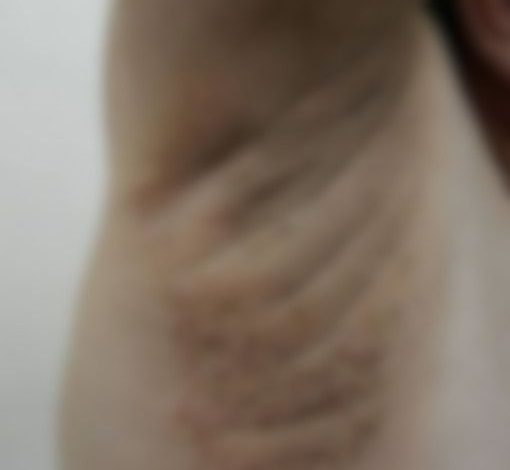
Dark Patches on Your Neck? Here’s What They Could Mean
You notice it while getting ready in the morning: a darker patch of skin around the back or sides of your neck.
At first, it may look like ordinary discoloration. You might even wonder whether it is caused by sweat, dirt, friction, or a recently worn collar.
But when washing doesn’t make it disappear, you may start wondering what is actually causing it.
One possible explanation is a skin condition called acanthosis nigricans.
Although it is usually harmless on its own, this distinctive skin change can sometimes be associated with underlying health conditions, particularly problems involving insulin regulation. That is why a new or unexplained change is worth discussing with a healthcare professional.
What Does Acanthosis Nigricans Look Like?
Acanthosis nigricans typically causes areas of skin to become darker, thicker, and more velvety than the surrounding skin.
The color can vary considerably depending on a person’s natural skin tone. The affected area may appear brown, grayish, or significantly darker than nearby skin.
Unlike ordinary dirt or surface residue, the change generally does not disappear with washing.
The texture can also become noticeably different. Rather than simply looking darker, the skin may feel slightly thicker or softer and more velvety.
Where Does It Usually Appear?
Acanthosis nigricans tends to develop in areas where skin folds or rubs together.
Common locations include:
- The back or sides of the neck
- The underarms
- The groin
- The elbows and knees
- The knuckles
It can occasionally appear in other locations as well.
The neck is particularly common, which is why people sometimes notice the condition for the first time while looking in a mirror.
Why Can This Skin Change Happen?
Acanthosis nigricans isn’t a disease with just one cause.
It can be associated with several different conditions, medications, and inherited factors.
One of the most common associations is insulin resistance.
Insulin is a hormone that helps the body regulate blood glucose. When the body’s cells become less responsive to insulin, the body may produce more of the hormone to compensate.
Higher insulin levels can affect the growth and behavior of certain skin cells, contributing to the thickened, darker appearance associated with acanthosis nigricans.
Because insulin resistance can occur alongside conditions such as prediabetes and type 2 diabetes, doctors may consider checking blood glucose when the skin changes are unexplained.
However, having acanthosis nigricans does not automatically mean that someone has diabetes.
Other Possible Causes
Metabolic conditions aren’t the only possible explanation.
Acanthosis nigricans can also be associated with certain hormonal or endocrine conditions, including polycystic ovary syndrome (PCOS) and some thyroid or adrenal disorders.
Certain medications may occasionally contribute as well.
Inherited forms can occur in families and may appear during childhood or adolescence without being directly related to blood glucose problems.
Because the possible causes are varied, identifying the reason behind the skin change is more useful than simply trying to treat its appearance.
When Should You See a Doctor?
A new darkened patch of skin doesn’t necessarily indicate a serious health problem.
Still, it is sensible to have unexplained acanthosis nigricans evaluated, particularly if it appears suddenly or continues to change.
A healthcare professional can examine the affected skin and consider your overall health, medical history, medications, and other symptoms.
Depending on the situation, they may recommend blood tests such as a glucose test or A1C, which provides information about average blood sugar levels over time.
Additional testing may be appropriate when symptoms or medical history suggest another underlying condition.
Can Acanthosis Nigricans Be Related to Cancer?
This is one area where context matters.
In rare situations, a form of acanthosis nigricans can be associated with an underlying cancer. This is uncommon, and most cases are related to more ordinary causes such as insulin resistance, medications, inherited factors, or hormonal conditions.
Doctors may pay particular attention when the skin changes develop very suddenly, progress rapidly, become unusually widespread, or appear in less typical locations.
Those features don’t mean that cancer is present. They simply provide a reason for a healthcare professional to investigate more carefully.
Why Scrubbing Usually Doesn’t Help
If the skin looks darker than usual, it can be tempting to scrub it in the hope that the discoloration will disappear.
But acanthosis nigricans isn’t simply dirt sitting on the surface of the skin.
Aggressive scrubbing, abrasive tools, or harsh chemical products can irritate the skin and potentially make the area more uncomfortable.
A gentler approach is generally better.
Use mild cleansers, avoid excessive friction, and keep the skin moisturized if it becomes dry or irritated.
Most importantly, focus on identifying and addressing the underlying cause rather than trying to remove the discoloration through increasingly aggressive skincare.
Does It Go Away?
Improvement depends on what caused the condition.
When an underlying issue is identified and appropriately managed, the skin changes may gradually become less noticeable.
However, improvement can take time, and the appearance of the skin doesn’t necessarily change immediately when the underlying health issue is addressed.
Treatment should therefore focus on the cause rather than relying solely on cosmetic products.
A healthcare professional can help determine the appropriate approach based on the individual’s circumstances.
What About Blood Sugar?
Because acanthosis nigricans can be associated with insulin resistance, unexplained dark, velvety skin—particularly around the neck—can be a useful reason to discuss metabolic health with a doctor.
That doesn’t mean the skin change itself can diagnose prediabetes or diabetes.
Other symptoms may also provide important clues. Increased thirst, frequent urination, unusual fatigue, or unexplained changes in weight can have many possible causes, but they are worth discussing with a healthcare professional when they occur alongside other concerns.
The Important Takeaway
A dark patch around your neck isn’t necessarily something to panic about—and it isn’t something you should assume is caused by poor hygiene.
If the area is darker, thicker, and noticeably more velvety than the surrounding skin, acanthosis nigricans is one possible explanation.
The condition is often associated with manageable underlying issues, particularly insulin resistance, but there are several other potential causes.
The best approach isn’t to scrub harder or attempt to diagnose yourself from a photograph.
Instead, pay attention to new or changing skin findings and discuss persistent or unexplained changes with a qualified healthcare professional.
Sometimes a change on the skin is simply a skin change. Sometimes it is a useful clue about what’s happening elsewhere in the body. Either way, understanding the cause is more important than trying to hide the appearance.