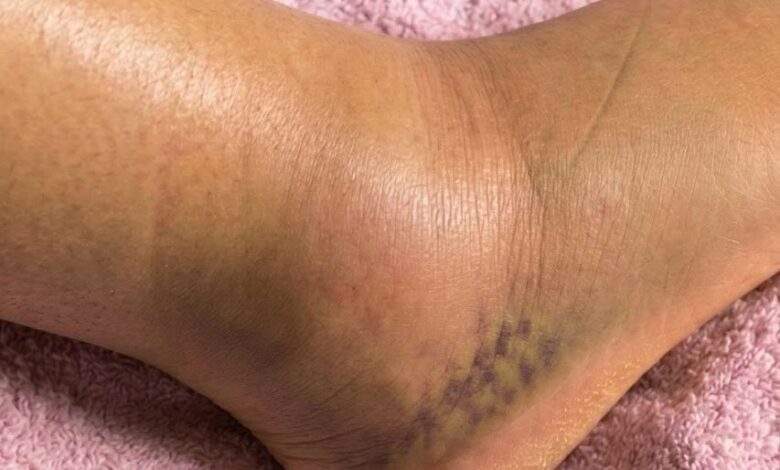
The Silent Danger Beneath Your Skin: Why Your Swollen Legs Are Screaming for Help
You dismiss that puffiness in your ankles as just another byproduct of a long, exhausting day on your feet, but you could be ignoring a life-threatening warning signal. That subtle swelling isn’t always just fatigue—it is often your body’s desperate, silent cry for help, indicating that something critical is failing deep within your internal systems. From blocked veins to failing organs, the truth behind your swollen legs could be the difference between a minor discomfort and a medical catastrophe. Do you know the difference between a temporary inconvenience and the early signs of a silent killer waiting to strike?
Swollen legs, medically referred to as edema, are frequently brushed off as a standard, temporary nuisance caused by gravity or general tiredness. However, when this swelling becomes a persistent guest, it stops being a minor issue and starts becoming a red flag. Your body is a highly complex machine, and when fluid begins to trap itself within your tissues, it usually means that a vital cog is malfunctioning. While some causes of swelling are benign, many are tied to underlying health conditions that demand immediate attention. Ignoring these persistent symptoms could lead to long-term health complications that are entirely avoidable if caught in time.
One of the most frequent culprits behind chronic leg swelling is poor blood circulation. When the heart struggles to pump blood effectively back up through the lower body, or when the vessels themselves have become inefficient, fluid begins to pool in the lower extremities. This isn’t just about feeling “heavy” or having tired legs; it is a mechanical issue where your circulatory system is falling behind. Factors like prolonged sitting, standing, and the natural process of aging can exacerbate this, leading to visible veins and a constant feeling of tightness that never quite goes away. While this might feel like a simple endurance issue, it is a precursor to more significant vascular trouble.
Then there is the issue of the modern diet and its hidden impact on your fluid balance. Excessive sodium intake is a pervasive problem that causes the body to cling to water like a sponge. Processed foods, canned soups, fast-food sauces, and packaged snacks are often loaded with hidden salt that disrupts your body’s equilibrium. This sodium overload forces your kidneys to work overtime to manage fluid retention, which often manifests as visible puffiness in the ankles, feet, and calves. While this can often be mitigated by adjusting your diet and increasing water intake, it serves as a wake-up call to pay closer attention to what you are actually consuming daily.
More concerning are the structural issues like varicose veins. This condition occurs when the valves within your veins, which are designed to push blood upward against gravity, become weakened or damaged. Instead of flowing efficiently toward the heart, the blood pools in your legs, causing the veins to bulge and turn blue or purple. This results in an aching, burning sensation and a profound sense of heaviness that no amount of rest seems to cure. Left untreated, varicose veins are not just a cosmetic concern; they are a sign of failing venous integrity that can lead to chronic discomfort and, eventually, more severe circulatory damage.
Even more serious are the potential links to systemic organ failure. Swelling in both legs can sometimes indicate that the heart is no longer pumping with the force required to keep fluids moving, leading to a backup that manifests in the lower body. When this heart-related swelling is accompanied by sudden shortness of breath, unexplained fatigue, a rapid or irregular heartbeat, or chest discomfort, it is not a “wait and see” situation—it is a medical emergency. Similarly, the kidneys and liver are the body’s primary filtration and fluid-regulation centers. When these organs struggle, the body loses its ability to flush excess fluid, often leading to swelling in the abdomen, puffiness around the eyes, and systemic fatigue.
Perhaps the most dangerous and time-sensitive scenario is a blood clot, clinically known as deep vein thrombosis (DVT). If you notice sudden, intense swelling in only one leg—especially if it is accompanied by acute pain, local warmth, or visible redness—you must act immediately. A blood clot can be lethal if it breaks free and travels to the lungs. This is not a situation where you can afford to wait for the swelling to “go down” on its own. If you have any reason to suspect a clot, seek professional medical help without a second of delay, as this is a life-threatening scenario that requires swift intervention.
So, how do you distinguish between “just being tired” and a genuine medical concern? You must monitor the persistence of the symptoms. If the swelling does not subside after a night of rest, if it is asymmetrical—meaning one leg is significantly larger than the other—or if it is accompanied by pain, skin changes, or difficulty breathing, you are well past the point of casual observation. Frequent recurrence is another major sign that your body is attempting to communicate an issue that requires professional diagnostic tools.
Your body is constantly sending signals, and swelling is one of the most reliable, albeit often ignored, messages in your health toolkit. It is rarely the cause itself, but rather the effect of a deeper, underlying process. By viewing leg swelling not as an annoyance, but as a diagnostic clue, you give yourself the best possible chance to address health issues before they snowball into chronic diseases or acute crises. Prioritize your well-being by listening to these quiet signals early on. The sooner you understand why your legs are swelling, the sooner you can take the necessary steps to secure your health, improve your circulation, and potentially save your own life. Do not wait for the situation to become critical; if your body is speaking to you through chronic swelling, it is time to start listening.