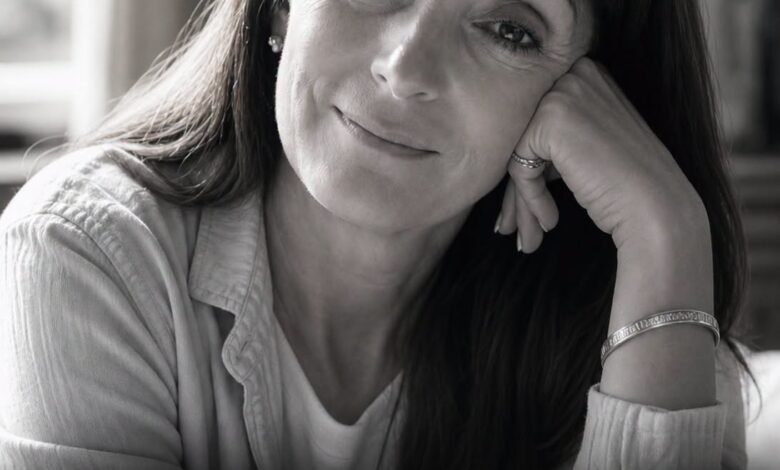
With a heavy heart, we announce the passing of the beloved The Crown and Downton Abbey star at 81 💔😭
British stage and screen actress Jane Lapotaire died on March 5, 2026, at the age of 81, leaving behind a career defined by emotional intensity, classical discipline, and an extraordinary return after serious illness. Viewers may remember her from The Crown and Downton Abbey, but theatre remained the center of an artistic life that stretched from Bristol to the West End, Broadway, and the Royal Shakespeare Company.
Born Jane Elizabeth Marie Burgess in Ipswich on December 26, 1944, she spent her earliest years in foster care and was later adopted by her stepfather. She found a sense of belonging as a teenager at the Bristol Old Vic Theatre School, where she trained before making her professional debut with the Bristol Old Vic company in 1965. She moved to the National Theatre two years later and joined the Royal Shakespeare Company in 1974.
Lapotaire became known for performances that combined vulnerability with formidable control. Her breakthrough television role came as scientist Marie Curie in a 1977 BBC series, earning her a BAFTA nomination and wider recognition. On stage, however, one part transformed her reputation completely. She played French singer Édith Piaf in Pam Gems’s Piaf, first with the Royal Shakespeare Company and then in London and New York.
Her portrayal did not rely on surface imitation. Lapotaire spent months learning to sing and delivered a performance that captured Piaf’s energy, damage, humor, and defiance. She won the Olivier Award for best actress in 1979 and later received the Tony Award for best actress in a play when the production reached Broadway. The achievement established her among the most respected classical actors of her generation.
Her stage work ranged widely. She played Viola in Twelfth Night, Gertrude opposite Kenneth Branagh in Hamlet, Mrs. Alving in Ghosts, Queen Katherine in Henry VIII, and Maria Callas in Master Class. She repeatedly approached famous women and demanding classical roles without softening their contradictions. Her voice, physical precision, and willingness to expose emotional danger made her performances difficult to forget.
In 2000, while teaching in Paris during a break from Master Class, Lapotaire suffered a cerebral hemorrhage. She spent weeks in intensive care and underwent major operations. Recovery was slow and altered both her body and sense of self. Rather than hide the experience, she wrote candidly about survival and the disorientation that followed in her memoir Time Out of Mind.
Returning to performance required years of determination. She rejoined the Royal Shakespeare Company in 2013 as the Duchess of Gloucester in Richard II and later played Queen Isobel in Henry V. These appearances were more than professional credits. They marked the return of an actor who had been forced to rebuild speech, confidence, and independence after a medical crisis threatened everything she knew.
Television audiences later saw her as Princess Irina Kuragin in a 2014 Downton Abbey special and as Princess Alice of Greece in the third season of The Crown. She also appeared in Rebecca and the gothic series The Burning Girls. Even when a role was brief, Lapotaire brought the history and interior life associated with decades of theatrical experience.
Her contribution to drama was formally recognized when she was appointed Commander of the Order of the British Empire in 2025. She attended her investiture at Windsor Castle in February 2026, only weeks before her death. She remained closely connected to the institutions that shaped her, supporting Bristol Old Vic Theatre School graduates and serving as an honorary associate artist of the Royal Shakespeare Company.
Lapotaire is survived by her son, screenwriter and director Rowan Joffé. Her legacy reaches beyond awards or familiar television titles. It lives in the fierce Piaf that conquered London and Broadway, the Shakespearean women she gave new weight, the honest account of her recovery, and the example she offered younger performers. She understood acting as demanding work carried out with the soul, and she spent her life meeting that demand without holding back.