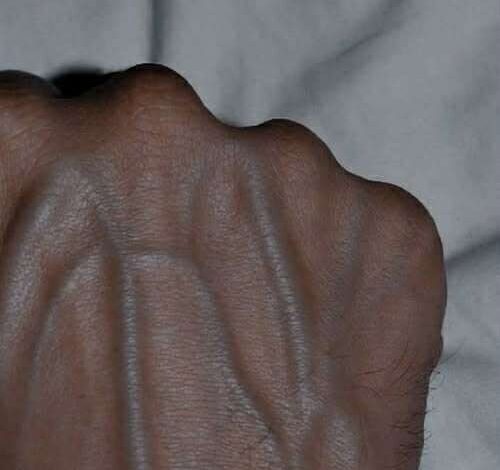
WHY VISIBLE VEINS ARE ACTUALLY A HIDDEN WARNING SIGN YOUR BODY IS DESPERATELY TRYING TO SEND YOU
The appearance of those intricate blue or green lines beneath your skin often goes unnoticed until the day you catch a glimpse in a mirror and find yourself genuinely alarmed. You might be leaning over the sink, brushing your teeth or getting ready for the day, when you suddenly notice your veins look more prominent, darker, or more widespread than they were just a few months ago. The immediate, instinctual reaction for many of us is to spiral into a state of quiet panic. Are these lines a silent alarm from your cardiovascular system? Is your body trying to tell you that something is fundamentally wrong beneath the surface? While the internet is full of armchair experts, understanding why these changes occur requires a closer look at both the benign realities of human physiology and the subtle, sometimes dangerous signals that should never be ignored.
For the vast majority of the population, visible veins are entirely harmless. They are not necessarily a sign of a disease or a failing organ, but rather a reflection of the unique, complex map that is your body. If you have recently embarked on a new, rigorous exercise regimen, your veins may appear more prominent simply because your muscles are larger and require more blood flow. When you push your body to the limit during a workout, your heart pumps blood more aggressively, causing veins to dilate and move closer to the surface of the skin. Similarly, those with lower body fat percentages naturally have less subcutaneous tissue between their skin and their vascular system, making veins stand out more clearly. It is the human equivalent of a road map being easier to read when there is less fog obscuring the view.
Environmental factors also play a massive, and often overlooked, role. If you have spent a significant amount of time in warm weather or have been taking hot showers, your body is likely undergoing vasodilation. This is the physiological process where blood vessels widen to help dissipate heat and regulate your internal temperature. As these vessels expand, they become more apparent through the skin, especially in the hands, arms, and legs. Furthermore, the natural process of aging cannot be discounted. As we grow older, our skin loses collagen and becomes thinner, and the tissues that provide structure to our veins begin to lose their elasticity. This combination of thinning skin and structural changes naturally leads to veins that are more visible to the naked eye. In these contexts, the appearance of your veins is not a symptom of a pathology, but rather a testament to the passage of time and the natural functionality of your circulatory system.
However, the line between a harmless aesthetic change and a genuine medical concern is one that everyone should be able to navigate. While many people are perfectly healthy despite having prominent veins, there are specific, non-negotiable warning signs that indicate it is time to stop guessing and start consulting a professional. If the prominence of your veins is accompanied by physical symptoms, you are no longer dealing with a cosmetic issue; you are dealing with a potential health crisis.
One of the primary red flags is persistent pain or tenderness along the path of the vein. If you feel a dull ache, a sharp sting, or a throbbing sensation, it could suggest that the vessel is inflamed—a condition known as phlebitis—or that there is an obstruction preventing normal blood flow. Swelling is another symptom that demands attention. If you notice that your legs, ankles, or feet are puffy or feel heavy, especially by the end of the day, it may indicate that your valves are struggling to push blood back up toward your heart. When these valves weaken, blood can pool in the veins, leading to increased pressure and visible distention. This is the hallmark of chronic venous insufficiency, a condition that, if left untreated, can lead to more serious complications like venous ulcers or blood clots.
Beyond pain and swelling, you must keep a watchful eye on changes in the texture and color of the surrounding skin. If the skin near a visible vein becomes hard, thick, reddish, or brownish, it is a sign that your circulatory system is under significant stress. Furthermore, if you experience coldness in your fingers or toes, or if you find that small cuts or scrapes take an unnaturally long time to heal, these may be indicators of peripheral artery disease or other circulatory blockages that extend far beyond your veins. These are not symptoms to be “monitored” or “waited out.” They are systemic signals that your body is having difficulty maintaining the delicate balance of blood delivery and return.
If you find yourself frequently checking your veins and worrying, the most empowering thing you can do is remove the uncertainty. There is no shame in seeking medical advice simply for peace of mind. A primary care physician or a vascular specialist can perform a simple physical examination or an ultrasound to map out exactly what is happening under your skin. Often, a brief conversation with a professional will confirm that your veins are perfectly normal, allowing you to stop the cycle of anxiety. In other cases, early detection of a venous issue can lead to simple lifestyle interventions—such as compression stockings, elevation, or specialized exercise—that prevent a manageable condition from becoming a chronic, painful, or dangerous one.
Ultimately, your body is an incredibly communicative machine. It is constantly sending you data points about your health, energy, and internal status. Visible veins are just one part of that data. While you should not rush to the emergency room every time you see a blue line on your wrist, you should cultivate a habit of listening to your body’s broader context. Do you feel tired? Is there localized pain? Are there visible changes in skin health? By paying attention to the full picture rather than fixating on a single detail, you can distinguish between the normal, healthy geography of your own skin and the urgent alerts that require a doctor’s expertise. Your veins are not just a design feature of your body; they are the high-speed conduits of your vitality, and keeping them healthy is an essential part of a long, active life. Be observant, stay informed, and never hesitate to trust your intuition when your body tells you that something simply feels off.