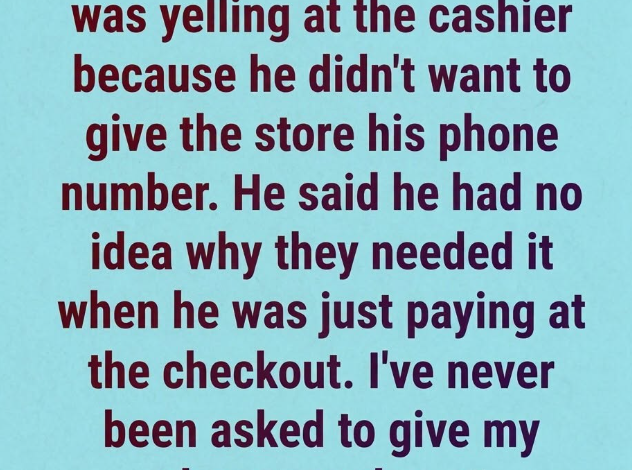
What Happens When a Cashier Asks for Your Phone Number During Checkout
Many shoppers are familiar with the routine question at the checkout counter: “Do you have a phone number with us?” For millions of customers, the answer is yes because it provides access to loyalty rewards, digital receipts, exclusive discounts, personalized coupons, or faster checkout.
While this request may seem like a small part of the shopping experience, it also highlights how modern retail programs work. A phone number often serves as a convenient way for stores to recognize returning customers and connect purchases to a loyalty account. Retailers generally explain these practices in their loyalty program terms and privacy policies, allowing customers to decide whether they want to participate.
When a phone number is linked to a rewards account, it can help retailers remember past purchases and provide a more personalized shopping experience. For example, customers may receive discounts on products they buy regularly, early access to sales, birthday rewards, or digital copies of receipts that are easy to retrieve later. Stores may also use purchase trends to improve inventory planning, ensuring popular products remain in stock. These features can make shopping more convenient while helping businesses better understand customer preferences.
In many cases, loyalty accounts extend beyond purchases made in physical stores. If a customer also shops through the retailer’s website or mobile app, those activities may be connected to the same account. Depending on the retailer’s privacy policy and the permissions granted by the customer, certain information may be processed by trusted service providers that help operate rewards programs, provide customer support, analyze shopping trends, or deliver relevant promotions. This is one reason why advertisements or promotional emails sometimes appear related to products a customer has recently viewed or purchased.
Protecting customer information is an important responsibility for retailers. Many companies invest in security measures such as encryption, secure servers, fraud detection systems, employee access controls, and continuous cybersecurity monitoring to help safeguard personal data.
While these protections significantly reduce risks, cybersecurity experts widely recognize that no digital system can guarantee complete protection from every possible security incident. As a result, consumers are encouraged to follow good privacy practices, including using strong passwords for online accounts, enabling two-factor authentication when available, and reviewing the privacy settings associated with loyalty memberships from time to time.
It’s also important to remember that participation in most loyalty programs is voluntary. In many stores, customers are free to decline providing a phone number if they prefer.
Those who still want to receive discounts can ask whether there are alternative options, such as a physical membership card, a scannable barcode, printed coupons, or an email-based rewards account. Store employees are typically able to explain how the program works, what information is collected, and what benefits are available before a customer decides to enroll.
Understanding how loyalty programs operate helps shoppers make informed choices about their personal information. Providing a phone number is a common and legitimate part of many retail reward systems, offering convenience and savings for those who choose to participate. At the same time, every customer has different comfort levels regarding privacy.
By reading privacy policies, reviewing account settings, and sharing only the information they are comfortable providing, consumers can enjoy the benefits of loyalty programs while maintaining greater awareness of their digital footprint. Making informed decisions allows shoppers to balance convenience, rewards, and privacy in a way that best suits their individual preferences.