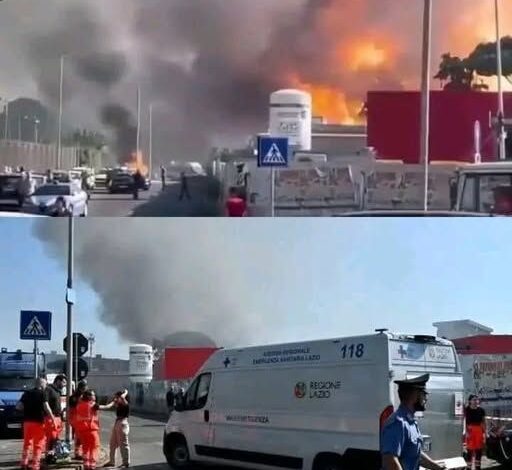
TOTAL CARNAGE AS MASSIVE EXPLOSION TURNS BUSY HIGHWAY INTO A BURNING DEATH TRAP
The morning commute on the Iztapalapa Chalco highway turned into a living nightmare when a massive tanker lost control and detonated in a blinding wall of fire. In one split second, hundreds of innocent commuters were thrust into an inferno that melted metal and shattered lives forever. As towering fireballs swallowed everything in their path, screams filled the air and the highway was transformed into an apocalyptic scene of pure, unadulterated chaos. With at least 15 confirmed dead and over 70 others fighting for their lives in hospitals, the nation is reeling from this horrific, preventable disaster that turned a routine morning into an absolute massacre.
It began like any other weekday morning. Traffic moved at a sluggish but predictable pace along the Iztapalapa–Chalco highway, one of the most vital and busiest routes cutting through the eastern sprawl of Mexico City. Commuters sat behind their steering wheels, sipping coffee and mentally preparing for the mundane demands of another ordinary day. Motorcycles weaved through the gaps in traffic, and the rhythm of the city felt entirely standard. Nothing about that morning suggested the looming horror, and no warnings were given for the catastrophe that was about to unfold with lethal efficiency.
In a matter of terrifying seconds, the entire landscape shifted. An LPG tanker, carrying a massive load of over 13,000 gallons of highly volatile liquefied petroleum gas, suddenly lost control and overturned. The transition from a routine commute to a scene of absolute devastation happened instantly, leaving zero room for reaction, avoidance, or escape. The fuel ignited almost immediately upon impact, creating a massive explosion that ripped through the highway. A towering, grotesque fireball spiraled into the sky, visible from miles away, while the sheer force of the blast sent shockwaves rippling outward. Buildings were rattled to their foundations, and the fragile illusion of safety that had existed just moments before was shattered into millions of pieces.
Witnesses would later describe the sound as physically deafening—an explosion so violent it shook windows in neighborhoods far beyond the immediate crash site. The heat wave hit with even greater intensity, an overwhelming, oppressive wall of fire that forced terrified drivers to abandon their vehicles and sprint for their lives. Visibility dropped to near zero as thick, black smoke choked the horizon. Panic spread with the speed of the flames, and in that vacuum of terror, basic human instinct took command. While some fled the scene to escape the encroaching fire, others defied the danger, running directly toward the twisted wreckage to pull strangers from their burning cars or carry the injured to safety. It was not an organized operation or a controlled rescue; it was a desperate, raw, and profoundly human response to a situation that offered no clear path to survival.
Emergency responders arrived as quickly as possible, but the scale of the disaster made every step forward a life-threatening challenge. Firefighters were faced with a raging inferno that refused to be quelled. The tanker, still loaded with volatile, pressurized gas, posed a constant, looming risk of secondary explosions that could have wiped out the entire rescue operation in a heartbeat. Every single move had to be calculated with surgical precision. Specialized hazardous materials teams were deployed to monitor the area for additional gas leaks, while police established a massive, wide-reaching perimeter to keep the encroaching crowds back and clear a path for the influx of emergency vehicles.
Along the roadside, paramedics were forced to triage victims in real-time, working amidst the heat and smoke to address horrific burns, acute smoke inhalation, and severe traumatic injuries. The medical resources of eastern Mexico City were stretched beyond their absolute breaking point. Patients in critical condition were rushed to hospitals that were immediately overwhelmed. Burn units across the city reached full capacity within hours of the explosion, and medical staff were pulled into an emergency cycle, working double shifts and calling in every available resource just to keep up with the catastrophic influx of trauma victims. Outside the hospital doors, the scene was equally heartbreaking as families gathered in desperate groups, clutching lists and hoping against hope to find the names of their loved ones among the survivors.
The physical wreckage left behind by the fire was staggering. More than 30 vehicles were reduced to blackened, twisted shells of metal. Glass was shattered, interiors were melted beyond any possibility of identification, and the very asphalt of the highway was scorched and compromised by the intense, sustained heat of the chemical fire. Nearby homes and small businesses were also caught in the blast radius, with windows blown out and walls cracking under the pressure of the explosion. For those residents, the damage was not merely structural; it was deeply psychological. The visceral memory of the fire, the sounds of the blast, and the sight of the chaos will remain etched in their minds long after the physical debris has been cleared.
Authorities have launched a comprehensive, high-stakes investigation into the cause of the disaster. Early reports are examining a multitude of potential failures, including driver error, excessive speed, and critical mechanical malfunctions. Investigators are reconstructing the sequence of events piece by piece, trying to determine exactly how the tanker crossed the threshold from a controlled transport to a catastrophic failure. Beyond the cause of the crash, the investigation is turning toward the systemic failures of regulatory oversight. Preliminary findings suggest the tanker may not have been operating with the proper permits or the necessary insurance coverage, raising uncomfortable questions about whether safety inspections were ever conducted or if any standard protocols were ignored.
The citizens of the affected areas have long expressed their fears regarding the constant stream of fuel tankers moving through densely populated neighborhoods. For years, these dangers were treated as theoretical, but this tragedy has turned those risks into a grim, undeniable reality. Public outrage has reached a boiling point, with citizens calling for immediate, systemic changes, including the rerouting of hazardous cargo away from residential zones and the strengthening of driver certification standards. As the community gathers for candlelight vigils at the edge of the scorched highway, turning a site of destruction into one of collective mourning, the question remains whether this disaster will be the catalyst for the changes that residents have demanded for years. The road will eventually reopen, but the scars left on the city and the families of those lost will serve as a permanent, painful reminder of how fragile the routine of daily life truly is.