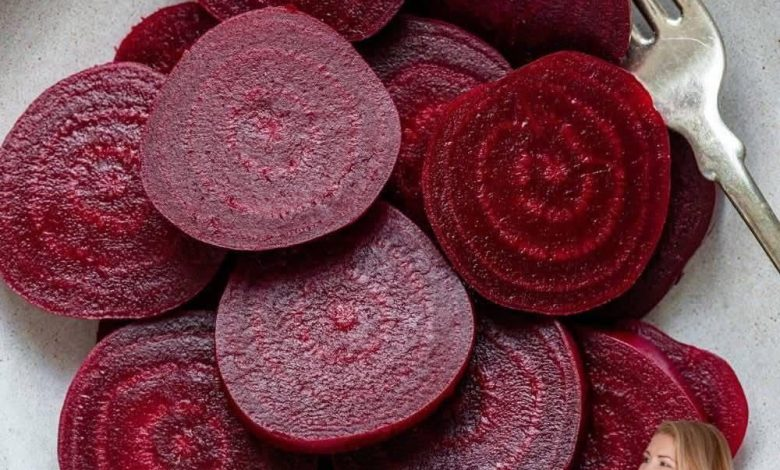
This vegetable supports healthy vision and helps cleanse the colon and liver of excess fat.
Beets (beetroot) aren’t just a vibrant addition to your plate—they’re packed with vitamins, minerals, antioxidants, and unique plant compounds that support heart health, brain function, and physical performance. Whether roasted, juiced, or grated raw into salads, beets deliver impressive, research-backed benefits in every bite.
1. Nutrient-Dense and Low in Calories
A 100g serving of raw beets provides:
Fiber – 2.8g → Supports digestion and gut health
Folate (Vitamin B9) – 27% DV → Important for cell growth and pregnancy
Manganese – 16% DV → Supports bone health and metabolism
Potassium – 9% DV → Helps regulate blood pressure
Iron + Vitamin C → Aid oxygen transport and immune support
At only about 43 calories per 100g, beets are low in calories yet rich in essential nutrients.
2. Powerful Plant Compounds
2.1 Betalains – Natural Antioxidants
These pigments give beets their deep red-purple color and:
- Help reduce inflammation
- Support the body’s natural detox processes
- Protect cells from oxidative stress
2.2 Nitrates – Circulation Supporters
Beets are one of the best natural sources of dietary nitrates, which convert to nitric oxide in the body. Nitric oxide:
- Relaxes blood vessels
- Improves blood flow and oxygen delivery
- Supports exercise performance
3. Evidence-Based Health Benefits
3.1 May Help Lower Blood Pressure
Research suggests that about 250 ml of beet juice daily may help reduce systolic blood pressure within hours due to improved blood vessel relaxation.
(If you’re on blood pressure medication, consult your doctor before increasing intake.)
3.2 Enhances Exercise Performance
Many athletes use beet juice to:
- Improve stamina
- Delay fatigue
- Increase oxygen efficiency
For best results, consume 2–3 hours before exercise.
3.3 Supports Brain Function
Improved blood flow from dietary nitrates may support cognitive performance, especially in older adults.
3.4 Promotes Digestive Health
Beet fiber feeds beneficial gut bacteria, supports regular digestion, and contributes to overall gut balance.
4. Simple Beet Salad Recipe 
Ingredients
- 2 medium cooked beets, cubed (roasted or boiled with skin on)
- 2 cups baby arugula or spinach
- ¼ cup crumbled goat cheese or feta (optional)
- 2 tbsp walnuts or pumpkin seeds
- 1 tbsp extra-virgin olive oil
- 1 tsp apple cider vinegar or lemon juice
- Pinch of salt and black pepper
Why it works:
- Olive oil helps absorb fat-soluble antioxidants
- Lemon or vinegar enhances iron absorption
- Fiber supports gut health
Tip: Lightly cooking or eating beets raw helps preserve more of their natural nitrates. Prolonged boiling may reduce some of their content.
A Note on “Beeturia”
If your urine or stool turns pink or red after eating beets, don’t worry. This harmless condition—called beeturia—affects about 10–14% of people and is linked to how the body processes beet pigments.
The Bottom Line
Beets are a simple root vegetable with impressive nutritional benefits. From supporting heart health to enhancing physical performance and digestion, they’re an easy and delicious addition to a balanced diet.
Eat the rainbow—and let red lead the way. 
Add beets to smoothies, grain bowls, hummus, or salads and enjoy their naturally sweet, earthy flavor.