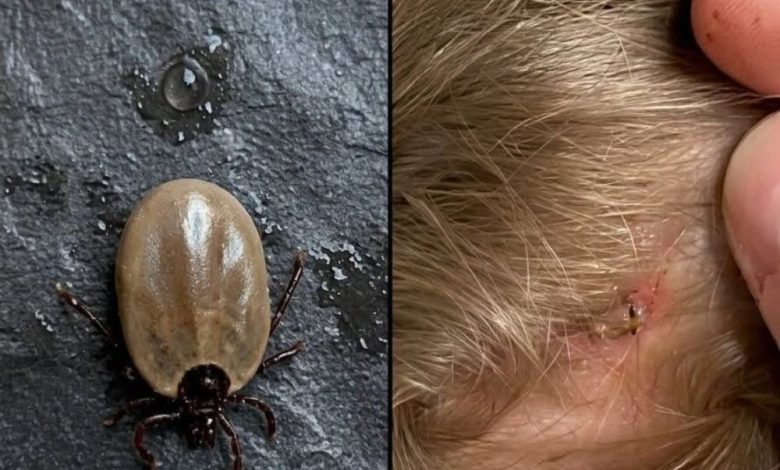
The Tick Bite Signs Parents Should Not Brush Off
Finding a tick attached to your child’s skin can be unsettling, but the most important part comes after the initial panic. Removing the tick is only the first step. What parents notice in the hours and days afterward can make a real difference in getting the right care quickly.
A tick bite does not always lead to illness, and many bites heal without further problems. Still, some tick-borne infections can begin with symptoms that look ordinary at first, such as fever, tiredness, muscle aches, or a rash. That is why it helps to treat the bite as something worth monitoring rather than something to forget the moment the tick is gone.
Start With Careful Removal
If a tick is attached, careful removal matters. Fine-tipped tweezers are commonly recommended because they allow you to grasp the tick close to the skin and pull it out steadily. Crushing, twisting, or leaving parts behind can make the situation more stressful and may complicate cleaning the area.
After removal, clean the bite site thoroughly. It can also be useful to save the tick in a sealed bag or container in case a healthcare professional later wants to identify it. That small step may help with the conversation if symptoms develop.
Watch the Days and Weeks Afterward
The bite site is not the only thing to watch. Parents should pay attention to changes in how a child feels over the following days and weeks. A new rash, fever, unusual fatigue, aching legs, headaches, or complaints that seem out of character should not be dismissed automatically as a routine virus.
That does not mean every symptom is a tick-borne illness. It does mean the recent bite is important information to share with a doctor. Mentioning when the tick was found, where it was attached, and whether it was saved can help guide the next steps.
Why This Matters
Some tick-related infections can become more serious if they are missed early. The source article specifically warns about potential complications involving the joints, nervous system, or heart. Because of that, prompt medical attention is the safer choice when concerning symptoms appear after a bite.
Parents should not feel embarrassed about asking questions or seeking care. Healthcare providers can decide whether testing, observation, or treatment is appropriate based on the child’s symptoms and exposure history.
A tick bite may turn out to be nothing more than a brief scare, but it deserves a careful follow-up. A few days of attention can help parents catch warning signs early and make better decisions for their child’s health.