The Terrifying Truth About What Your Veins Are Actually Trying To Tell You
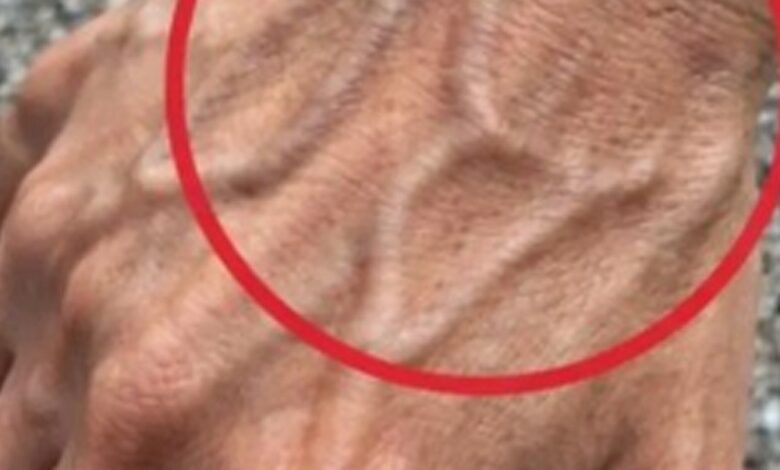
You look down at your arms or legs and see them spiderwebbing across your skin, pulsing with every beat of your heart. Most people glance at their visible veins and think nothing of it, but what if those blue and purple lines were actually a desperate warning sign from your body? What if your vascular system is screaming for help and you are completely ignoring the red flags that could mean the difference between health and a life-altering medical emergency? Do not make the fatal mistake of assuming these physical changes are just a normal part of aging when the reality is far more sinister.
For years, many people have operated under the dangerous assumption that visible veins are nothing more than a cosmetic annoyance or a byproduct of a vigorous workout. While it is true that low body fat, intense physical activity, and the natural thinning of skin as we age can contribute to the visibility of our veins, dismissing them entirely is a gamble with your own longevity. The human vascular system is a complex and highly sensitive network designed to transport life-sustaining blood back to the heart. When that network becomes visibly strained, it is often a silent cry for attention that the average person simply ignores until it is too late.
One of the most pervasive myths circulating today is the idea that visible veins are automatically an indicator of poor circulation. The reality is far more nuanced and, in many cases, more confusing. In a healthy individual, veins may appear prominent simply because they are working exactly as they should under stress or during movement. However, the presence of these veins should not be the only metric by which you judge your vascular health. True cardiovascular vitality is not defined by how your veins look on the surface, but by how efficiently they function deep beneath the skin.
The real danger begins when we fail to distinguish between harmless physiological characteristics and the onset of serious underlying conditions. Conditions like chronic venous insufficiency do not announce themselves with fanfare; they creep up on you, often hidden behind the mask of what you consider to be your normal appearance. When vein valves begin to weaken, the blood that is meant to return to the heart instead begins to pool, creating a localized pressure buildup. If left unaddressed, this pooling can lead to severe complications, including skin discoloration, chronic inflammation, and the formation of painful, bulging varicose veins that can significantly diminish your quality of life.
You must learn to listen to the silent language of your limbs. Are your legs feeling unusually heavy or aching after a long day? Have you noticed persistent swelling around your ankles that doesn’t seem to go away? These are not just signs of a busy life or a long shift on your feet—they are critical indicators that your veins are failing to keep up with the demands of your body. When you add numbness, tingling, or the sensation of coldness in your extremities, you are no longer dealing with a simple aesthetic concern. You are dealing with a potential systemic failure that requires immediate professional evaluation.
The path to maintaining healthy circulation is built upon consistent, disciplined lifestyle habits. Many people wait until a crisis occurs before they decide to take their vascular health seriously, but prevention is significantly more effective than treatment. Daily physical activity is perhaps the most potent tool in your arsenal, as it encourages blood flow and keeps the vein valves functioning with efficiency. Furthermore, your diet plays a vital role. While various supplements and natural remedies like horse chestnut extract or omega-3-rich oils are frequently touted for their cardiovascular benefits, they should never be viewed as a replacement for expert medical guidance.
Managing your blood pressure and blood sugar levels is another non-negotiable aspect of long-term vascular health. High blood pressure forces your veins to work harder than they were designed to, accelerating the wear and tear on your valves and vessel walls. Similarly, maintaining a healthy weight reduces the structural burden on your circulatory system. When you combine these habits with proper hydration and the absolute avoidance of smoking, you provide your body with the best possible chance of navigating the later years of your life without suffering from debilitating venous complications.
The temptation to self-diagnose is high, especially in an age where information is readily available at our fingertips. However, the complexity of the circulatory system means that a superficial observation is rarely enough. A healthcare professional can perform tests that look far beyond the surface, assessing the velocity and pressure of your blood flow to ensure that no hidden pathology is developing. If you find yourself frequently questioning the state of your health, or if you notice any of the aforementioned warning signs, the most rational and courageous action you can take is to seek a medical opinion.
Ultimately, your veins are a living map of your internal health. While it is true that many people live their entire lives with visible veins and face no significant medical consequences, this should never be an excuse for complacency. The goal is to move beyond the aesthetic anxiety of how your skin looks and toward a genuine understanding of how your body functions. By staying informed, remaining vigilant, and responding to the subtle signals your body provides, you can ensure that your vascular system remains a robust engine rather than a ticking time bomb. Remember, your body is always speaking to you; it is your responsibility to decide whether or not you are going to listen before the situation turns into an avoidable tragedy.