The Parasite Nightmare: Why You Must Act Now Before This Infestation Takes Over Your Entire Home
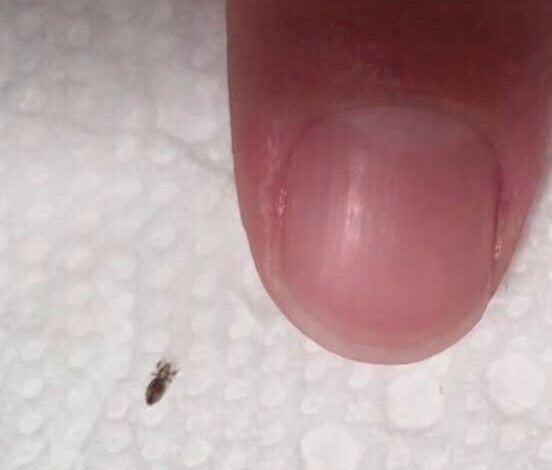
You think it’s just an itchy scalp—a minor annoyance from a long day at school or a crowded office. But deep within the tangled strands of your hair, a silent, parasitic army is multiplying, laying hundreds of sticky eggs that are preparing to hatch and turn your life into a living, scratching hell. These tiny, blood-sucking invaders don’t care about your hygiene, your status, or your comfort; they only care about survival. The moment you find that first bug, the clock starts ticking. If you don’t act with surgical precision right now, this infestation will inevitably consume your entire household.
Head lice have earned their reputation as every parent’s most dreaded visitor, and for good reason. These tiny, wingless, and relentlessly resilient insects have evolved to thrive specifically on the human scalp, feeding on blood and turning a peaceful household into an itchy, frantic battlefield. They are the ultimate opportunists, spreading like wildfire through the slightest contact or the shared use of a personal item. If you have ever waged war against these pests before, you know that the process is not just a quick fix; it is a grueling, time-consuming marathon that demands absolute dedication, specialized tools, and a nearly infinite reservoir of patience.
Understanding the enemy is the first step toward reclaiming your sanctuary. Lice are not merely an annoyance; they are biologically programmed to persist. They lay their eggs, known as nits, with a powerful, glue-like substance that anchors them firmly to the hair shaft, usually within millimeters of the scalp where warmth and moisture are abundant. While it is a common misconception that lice spread disease, their presence is nonetheless debilitating. The persistent, intense itching can lead to broken skin, secondary infections, and significant psychological distress. Furthermore, their ability to survive off the host for up to 48 hours means that your furniture, your carpets, and your bedding become active minefields, waiting to re-infect you or your loved ones long after you think the battle is won.
The initial phase of your counter-offensive must be immediate and aggressive. Start by selecting a medically approved lice treatment—specifically, a shampoo or lotion formulated to paralyze and kill live lice. You cannot simply apply these products and hope for the best; you must follow the instructions with the precision of a chemist. Proper application and timing are non-negotiable. If you rush the process, you risk leaving survivors that will simply breed again. However, it is vital to understand that most of these medicated treatments are designed to kill only the active insects. They often fail to destroy the eggs, which means a second application—usually timed seven to ten days after the first—is absolutely essential to eliminate the next generation of nymphs before they reach maturity and begin the cycle all over again.
Once the chemical treatment has done its work, the manual labor begins. This is the stage where most people fail, and it is the most critical part of the entire operation. You must use a high-quality, fine-toothed nit comb on wet, conditioned hair to mechanically strip the nits and dead lice from the scalp. Do not attempt this dry; water and conditioner make the hair more manageable and prevent the lice from moving quickly. Work in extremely small, deliberate sections, starting from the scalp and moving outward. After every single pass of the comb, you must wipe the teeth clean on a paper towel or rinse it in hot water. If you skip this step, you are simply dragging the infestation from one strand to another. Consistency here is the difference between freedom and a recurring, months-long nightmare.
The battle is not contained to your hair; it extends to your environment. You must treat your home as a contaminated zone until you are certain the threat is neutralized. Gather all clothing, bedding, pillowcases, and hair accessories used by the infected person within the last 48 hours. These must be washed in hot water and dried on a high-heat cycle, as both heat and water are the primary weapons against these pests. For items that cannot be laundered—such as specialized pillows, certain plush toys, or delicate accessories—the best strategy is to seal them in airtight plastic bags for at least two weeks. This creates an environment where the lice cannot survive, effectively starving them out. Don’t forget to vacuum the floors, the upholstery, and the car seats where the infected individual may have spent time.
Preventing a future outbreak requires a permanent shift in habits. You must teach your children the hard, cold reality of social hygiene: sharing combs, brushes, hats, scarves, or headphones is an open invitation to a new infestation. During the school year, when outbreaks are most common, make a habit of checking scalps regularly under bright light. If your child has long hair, keep it tied back to reduce the surface area available for lice to grab onto. While over-the-counter treatments are often sufficient, there is no shame in seeking medical advice. If you find that the lice are persistent, or if you notice signs of a scalp infection from excessive scratching, consult a healthcare provider immediately. They can provide prescription-strength treatments that are far more potent than standard retail products.
Ultimately, conquering lice is a test of your resolve. There is no magic spell to make them vanish instantly, and the temptation to give up halfway through the process is great. However, if you remain consistent, thorough, and vigilant, you can and will emerge victorious. Do not let the embarrassment of the situation keep you from taking the necessary steps. Every nit you remove is a victory, and every day you spend cleaning is an investment in your family’s peace of mind. Stay disciplined, keep your environment clean, and remember that with enough determination, you can effectively wipe out this infestation and ensure it never gains a foothold in your home again.