The Hidden Meaning Behind the Numbers on Your Egg Carton and Why They Matter
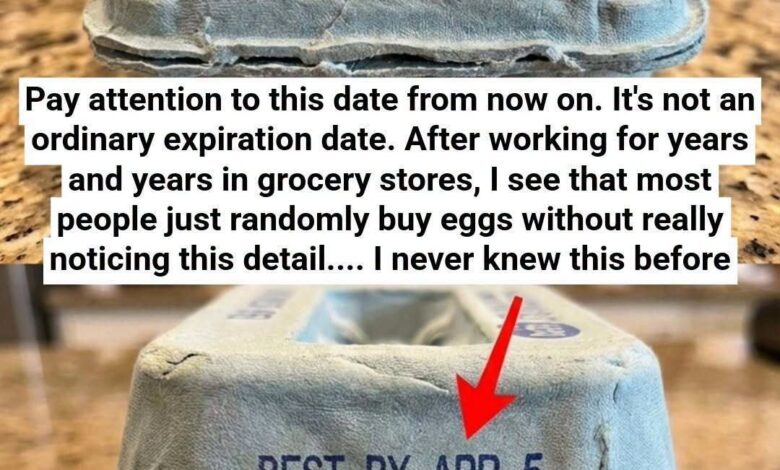
Many shoppers have experienced that moment in the grocery store when they pick up a carton of eggs and notice a series of unfamiliar numbers printed on the package. Along with the regular date, there may be a three-digit number, a letter followed by more digits, and other markings that seem confusing at first. Are they expiration dates? Codes for stores? Or something else entirely?
The truth is that those small numbers can actually tell you useful information about your eggs. Once you understand what they mean, choosing a fresh carton becomes much easier and you can shop with more confidence.
One of the most important markings you may find is called the Julian date. This three-digit number shows the day of the year when the eggs were packed. The system starts with 001 for January 1 and continues through 365 for December 31. By comparing this number between different cartons, you can get an idea of which eggs were packed more recently.
Another marking you may notice is the plant code. This code usually appears as a letter, often “P,” followed by a series of numbers. It identifies the facility where the eggs were processed, inspected, and packed. While most shoppers may never need to use this information, it can help with product tracking if a food safety issue ever occurs.
Egg cartons may also include calendar dates, and these can sometimes create confusion. A “sell by” date is mainly used as a guide for retailers, helping stores manage inventory. It does not automatically mean the eggs become unsafe immediately after that date. When properly refrigerated, eggs can often remain good for some time beyond the printed date.
Storage plays an important role in keeping eggs fresh. Experts generally recommend keeping eggs in their original carton inside the refrigerator. The carton helps protect the shells, reduces moisture loss, and prevents eggs from absorbing strong odors from other foods stored nearby.
It is also important to avoid washing eggs before storing them. Eggs naturally have a protective outer layer that helps keep unwanted substances from entering through tiny shell pores. Washing can remove this natural protection and may shorten their storage life.
When you are ready to use your eggs, there are a few simple ways to check their condition. The water test is one popular method: place an egg in a bowl of cold water. Fresh eggs usually sink and lay flat, while older eggs may stand upright or float because air slowly increases inside the shell over time.
Another way to check an egg is by cracking it into a separate bowl before cooking. A fresh egg typically has a firm yolk and thicker egg white that stays closer together. If an egg has an unusual smell or appearance, it is best not to use it.
Using fresh eggs can make a noticeable difference in cooking. They often provide better texture and consistency, especially in recipes where eggs play an important role, such as baking, scrambled eggs, or other breakfast dishes. Fresh ingredients can help create better results in the kitchen.
Understanding egg carton labels does not require special knowledge. The Julian date tells you when the eggs were packed, the plant code identifies where they came from, and the printed dates help guide storage and quality decisions. The next time you are shopping for eggs, those small numbers will no longer look like a mystery—they will simply be another helpful tool for making a smart choice.