The Hidden Agony: Why Your Groin Irritation Could Be More Than Just a Minor Annoyance
You think it’s just a little bit of sweat or the result of a bad razor, but ignoring that persistent itch could be the biggest mistake of your life. Millions of people suffer in silence, dismissing raw, inflamed skin in their most sensitive areas as a trivial nuisance, only to find themselves battling a full-blown, agonizing medical nightmare. Could what you assume is a simple rash actually be a brewing infection, a chronic fungal assault, or a sign of an underlying health issue that demands immediate intervention? The truth is far more complicated—and dangerous—than you ever imagined. Don’t wait until it’s too late.
Skin irritation in the groin area is a condition that transcends age, gender, and lifestyle. Because this region of the body is naturally warm, confined, and prone to moisture, it acts as a perfect incubator for various skin disorders. While many people feel a sense of embarrassment that prevents them from seeking help, understanding the root causes of these symptoms is the first step toward reclaiming your comfort and protecting your overall health.
One of the most frequent culprits is the deceptively simple ingrown hair. Often dismissed as a minor side effect of grooming, an ingrown hair occurs when a strand curls back into the skin rather than exiting the follicle normally. While they may begin as small, itchy bumps, they can rapidly spiral into localized infections, characterized by pus, significant inflammation, and tenderness. Friction from tight clothing or coarse hair types only exacerbates the issue. To manage these, a gentle approach is best: warm compresses can ease the swelling, while exfoliating cleansers help clear dead skin. However, if these bumps become recurring or increasingly painful, they are a clear signal that your body requires professional medical attention to prevent a systemic infection.
Closely related but distinct is folliculitis, which is the formal medical term for the inflammation of the hair follicles themselves. This condition is frequently triggered by bacteria like Staphylococcus aureus or fungal overgrowth, often introduced through unhygienic practices, contaminated water in pools or hot tubs, or even simple friction from synthetic clothing. Folliculitis manifests as small, red, or white-headed pustules that can be intensely painful. Combatting this requires more than just patience; it often demands antibacterial soaps and, in severe cases, targeted antibiotic treatments. Ignoring these spots can lead to deeper, more difficult-to-treat dermal infections.
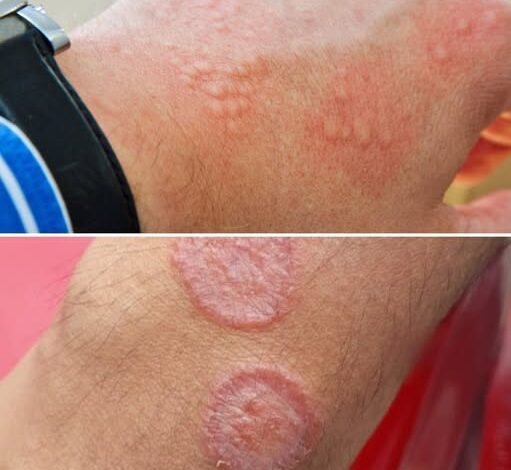
Then there is the infamous Tinea Cruris, or “jock itch.” This is a pervasive fungal infection that thrives in the very conditions the groin provides: warmth and dampness. It does not discriminate, though it is statistically more common in men due to higher sweat production and environmental factors. Jock itch typically presents as a scaly, red patch with a raised, defined edge. It is notoriously persistent and can spread to the inner thighs and buttocks if left unaddressed. The treatment plan is straightforward—antifungal creams and the rigorous maintenance of a clean, dry environment—but the failure to treat it allows the fungus to anchor itself deeply into the skin, leading to long-term discomfort and social anxiety.
Beyond infections, we must consider contact dermatitis. This is an immune response triggered when the skin comes into contact with an irritant or an allergen. In the delicate skin of the groin, the culprits are often chemicals hidden in everyday products: the perfumes in your laundry detergent, the dyes in your underwear, or the latex in personal products. Symptoms include inflamed, red skin that may flake, peel, or, in extreme cases, blister. The primary strategy here is identification—detecting the specific irritant—and strict avoidance. Until the source is removed, the irritation will continue to cycle back, regardless of how many topical creams you apply.
Finally, we encounter intertrigo, a common rash that develops specifically in skin folds. It is the result of a “perfect storm”: moisture trapped in folds, constant friction between skin surfaces, and a lack of proper air circulation. It frequently plagues those who carry excess weight or wear non-breathable materials. The resulting skin is raw, burning, and often carries an unpleasant odor, which is usually a sign of secondary yeast or bacterial colonization. Barrier creams containing zinc oxide are the gold standard here, alongside dedicated efforts to keep the folds dry and ventilated.
The good news is that most of these conditions are entirely preventable with a shift in daily habits. Your hygiene routine is your first and most effective line of defense. Start by refining your grooming: if you choose to shave, always use a clean, sharp razor and move in the direction of hair growth to minimize micro-trauma to the skin. Prioritize natural, breathable fabrics—cotton is superior to synthetic blends—which allow the area to stay cool and dry. Make it a daily ritual to wash thoroughly, particularly after any activity that causes sweating, and ensure the area is patted completely dry before dressing.
Furthermore, adopt a “no sharing” policy for personal items. Razors, towels, and clothing are common vectors for the spread of fungi and bacteria. If you have been living with an unexplained rash, do not assume it will resolve on its own. If you notice severe pain, intense swelling, the presence of pus, or the development of fever and flu-like symptoms, your body is sounding a critical alarm. A rash that persists for more than two weeks is not just a nuisance; it is a clinical condition that necessitates a visit to a dermatologist.
Do not let embarrassment dictate your health. Groin irritation is a common issue that thousands face, and medical professionals see it daily. By being proactive, observant, and gentle with your skin, you can prevent these minor issues from becoming major, painful obstacles. Your health is not a matter of luck; it is a matter of attention, awareness, and the courage to take care of yourself properly before the situation reaches a boiling point.