The Deadly Warning Signs Your Skin Is Sending You That You Should Never Ignore
The human skin is the body’s largest organ, serving as a dynamic and complex barrier between our internal systems and the outside world. Often, we view the skin as a purely aesthetic feature or a simple protective wrap, dismissing minor irritations as temporary inconveniences. We attribute a sudden itch to a change in laundry detergent, a red patch to the dry winter air, or a cluster of bumps to a new soap. Because these reactions are so commonplace, it is dangerously easy to overlook the potential seriousness of what the skin is trying to communicate. In reality, the skin is an intricate map that is closely connected to the immune system, acting as a highly sensitive early-warning radar for deep internal reactions. When certain skin symptoms appear, they are not just surface-level issues; they are sirens signaling a systemic crisis that could, in the worst-case scenarios, become a matter of life and death.
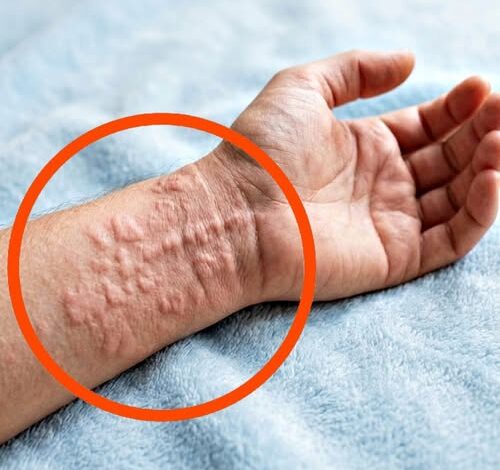
Among the most common of these signals is urticaria, more frequently known as hives. These raised, itchy welts are unmistakable, often appearing as pale red bumps that can spread with alarming speed across the limbs, torso, and face. Hives are a manifestation of the immune system releasing histamine and other chemicals into the bloodstream, usually in response to an allergen. On their own, hives can be a miserable but ultimately harmless experience that resolves with time or over-the-counter antihistamines. However, the true danger arises when these welts change shape or migrate across the body in tandem with other, more subtle symptoms. The significance of a skin reaction increases exponentially when it ceases to be an isolated incident and begins to involve multiple organ systems.
The most critical transition occurs when skin irritation is accompanied by respiratory symptoms. This is the moment a minor annoyance becomes a medical emergency. If you experience a sudden breakout of hives and simultaneously feel a tightening in your throat, a shortness of breath, or the terrifying sensation that you cannot pull enough air into your lungs, your body is sounding a final alarm. Other systemic red flags include wheezing, a sudden drop in blood pressure that manifests as dizziness or fainting, and a rapid, weak pulse. Furthermore, visible swelling of the lips, tongue, or throat—a condition known as angioedema—is a clear indicator that the reaction is no longer confined to the surface of the skin. These are the hallmark warning signs of anaphylaxis, a severe, potentially fatal allergic response that requires immediate intervention.
Anaphylaxis is an unpredictable and aggressive enemy of the human body. It can be triggered by a vast array of common exposures, ranging from everyday foods like peanuts, shellfish, or eggs to medications, insect stings, or environmental factors. One of the most frightening aspects of this condition is that it can occur even after a person has had multiple previous, harmless exposures to the same trigger. A person who has been stung by a bee dozens of times without issue can suddenly experience a life-threatening reaction on the next encounter. Because anaphylaxis progresses with staggering speed—sometimes reaching its peak within mere minutes of exposure—the ability to recognize the early skin signals is the most powerful tool a person has for survival.
In these high-stakes moments, early recognition is the difference between a controlled medical situation and a tragedy. When the immune system enters this state of overreaction, it affects the entire circulatory and respiratory infrastructure. The blood vessels begin to leak fluid into the surrounding tissues, causing the characteristic swelling and the dangerous drop in blood pressure. Simultaneously, the bronchial tubes in the lungs constrict, making it nearly impossible for oxygen to reach the vital organs. Without urgent treatment, typically in the form of an epinephrine injection, the body can quickly go into shock, leading to heart failure or respiratory arrest. This is why medical professionals emphasize that any skin reaction involving “airway, breathing, or circulation” must be treated as a code-red emergency.
Beyond the immediate physical threat, there is a profound emotional and psychological weight to living with the threat of severe systemic reactions. For those who have experienced anaphylaxis, the world can become a minefield of hidden risks. Every meal at a restaurant, every walk through a garden, and every new prescription carry a hidden layer of anxiety. This is where the importance of communication and safe choices becomes a vital part of long-term wellbeing. Protecting your physical and mental health requires a proactive approach to understanding your body’s unique sensitivities. This means seeking out professional testing from an allergist to identify specific triggers, carrying emergency medication like an epinephrine auto-injector at all times, and being unashamedly vocal about your needs in social and professional situations.
Responsible awareness in intimate and social situations is not just about avoiding discomfort; it is about fostering a culture of safety. Whether it is ensuring that a partner is aware of a severe food allergy before a dinner date or confirming the ingredients in a shared meal, these conversations are the building blocks of a healthy, protected life. We must move away from the idea that being “difficult” about allergies is a social burden. Instead, we should view it as a necessary act of self-preservation and mutual respect. When we prioritize these safe choices, we are not just protecting our skin; we are safeguarding our entire future.
Modern medicine has provided us with incredible tools to manage these risks, from advanced desensitization therapies to highly effective emergency treatments. However, no piece of technology is as effective as a person who is tuned into their own body. We must learn to look at our skin with a new level of respect. A sudden flush of the face, a tingling sensation in the palms, or a few itchy spots on the neck should be viewed with a watchful eye. By paying attention to the small details, we can prevent the large-scale crises that take so many people by surprise.
As we navigate our daily lives, let us remember that the skin is our first line of defense and our most vocal communicator. It tells the story of our internal health long before a blood test or a scan ever could. By educating ourselves and our loved ones about the connection between skin reactions and systemic health, we can reduce the number of people who fall victim to unrecognized allergic responses. The goal is to encourage a lifestyle of responsible awareness, where the pursuit of long-term wellbeing is rooted in the knowledge that our bodies are constantly talking to us. When your skin sends a warning, listen. It might just be the most important conversation you ever have. In a world full of hidden health risks, being informed is your best defense. Protect your health, trust your instincts, and never underestimate the power of a single hive to save your life.