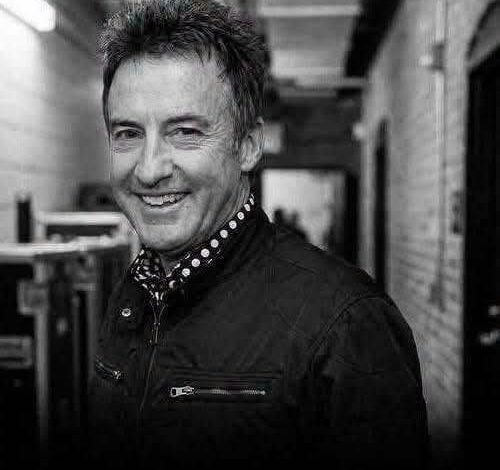
Rob Hirst’s Final Chapter Adds New Weight to His Songs
Rob Hirst’s death has left Midnight Oil listeners looking back at more than a long career behind the drums. The founding drummer and songwriter helped build a sound that was forceful, political, and instantly recognizable, and his work remains tied to some of the band’s most enduring songs.
Hirst’s death was confirmed on January 20, 2026. He was 70. According to the band, he died peacefully surrounded by loved ones after a nearly three-year battle with pancreatic cancer.
For many fans, Hirst was not simply the musician keeping time at the back of the stage. His drumming gave Midnight Oil much of its drive, helping turn the band’s songs into urgent, high-energy statements that carried well beyond Australian rock audiences.
The Sound He Helped Build
Hirst was a founding force in Midnight Oil’s story. He and guitarist Jim Moginie began making music together at school in 1972, and the group eventually developed into the band that became known around the world. Hirst remained part of Midnight Oil from 1975 through 2026.
His role also extended into songwriting. He received writing credits on several of Midnight Oil’s best-known tracks, including “Beds Are Burning,” “Blue Sky Mine,” and “Read About It.”
Those songs became known not only for their sound but also for the subjects they addressed. Midnight Oil’s music frequently took on environmental issues, Indigenous rights, and social responsibility, and Hirst was central to that creative identity.
The band’s official site describes its work as challenging “business as usual” and encouraging audiences to become involved. That mission was not separate from the music. In Midnight Oil’s case, the rhythm, lyrics, and message often worked together.
A Legacy That Goes Beyond the Stage
Hirst’s influence continues through recordings that still reach new listeners. Songs such as “Beds Are Burning” and “Blue Sky Mine” remain connected to both the band’s distinctive intensity and the larger issues they raised.
That is part of why his legacy cannot be measured only through record sales, tours, or awards. It also lives in the conversations those songs helped start, and in the way listeners were pushed to pay attention to the world outside the music.
For the music business, that kind of catalog has lasting value. Recordings, publishing rights, books, archives, and reissues can keep an artist’s work visible long after the final performance. In Hirst’s case, the creative archive appears especially meaningful because he kept working even after his diagnosis.
His Final Creative Project
Midnight Oil announced in June 2026 that Hirst’s final book, World Is Almost at Peace: A Lifetime of Songwriting for Midnight Oil and More, would be published in November.
The book is set to examine his songwriting process and include lyrics, notebooks, photographs, posters, and other material from across his career. For fans and music historians, that makes it more than a memoir-style release. It offers a look at how songs connected to major cultural and political themes were shaped from the inside.
The project also carries a particular emotional weight because Hirst was working on it until the end of his life. Alongside the recordings, it leaves behind his own reflections on the ideas, drafts, and creative decisions that helped define Midnight Oil’s work.
After his death, Hirst’s bandmates said they were grieving the loss of their “brother,” while adding that “there will always be songs.”
That may be the simplest way to understand what remains. Rob Hirst is gone, but the music he helped create continues to move, challenge, and be rediscovered.
For anyone returning to Midnight Oil now, the songs may sound a little different, with the person behind their pulse more clearly in view.