Pick a Rose and Reveal What Kind of Woman You Are
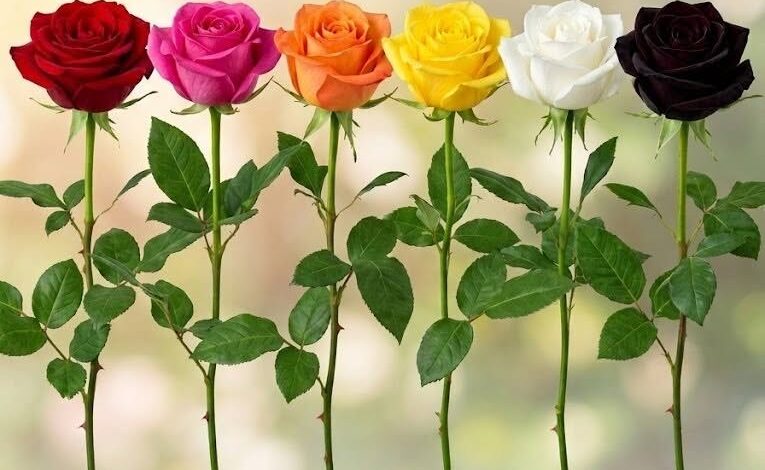
A personality image asks viewers to pick one of six roses—red, pink, orange, yellow, white or black—and promises to reveal what kind of woman they are. The symbolic descriptions can be enjoyable, but the choice is not a scientific personality assessment. Color preference changes with mood, culture, memory and the design of the image.
The red rose is usually linked with passion, courage and loyalty. People drawn to it are described as emotionally expressive and determined. The interpretation reflects centuries of red being used for love, danger and intensity. A viewer might simply choose it because red creates the strongest contrast.
Pink represents gentleness, romance and care. The description often praises empathy and quiet strength. These qualities are broad enough to feel familiar to many people, and choosing pink does not prove that someone is more nurturing than a person who selects another flower.
Orange is assigned energy, creativity and adventure. Because it combines associations of red’s intensity and yellow’s brightness, it is used to tell a story of enthusiasm. A person may instead choose orange because it is uncommon among roses or reminds them of a garden.
Yellow is connected with friendship, optimism and sociability. In some contexts, however, yellow roses historically carried meanings such as jealousy or change. Symbols are not universal. The cheerful interpretation reflects one contemporary tradition rather than a fixed psychological truth.
White roses are described as calm, wise and honest. White can represent peace and simplicity in one culture and mourning in another. A preference may be aesthetic, ceremonial or personal. The same color can hold opposite meanings without either being incorrect.
Black roses in these puzzles usually stand for independence, mystery and transformation. Truly black roses are generally very dark red or purple, and the unusual appearance attracts people who enjoy unconventional design. The choice does not indicate hidden danger or predict a major life change.
These descriptions use the Barnum effect: broad, flattering statements feel specifically accurate when attached to a personal choice. “You care deeply but protect your heart” can resonate with almost anyone. The image supplies a ritual that makes the statement feel discovered.
The test becomes useful as a conversation prompt. Ask why a rose stood out. Does it recall a person, event or value? Would the answer change if the flowers had different shapes or positions? Reflection can reveal a current association, even though the rose did not measure personality.
Every person contains combinations of passion, gentleness, energy, joy, calm and independence. Enjoy choosing a flower, share the result and avoid turning symbolism into a label. A garden is beautiful because the roses differ. Human personality is even more complex than the six colors arranged on a screen.
Florists and historians can add another layer to the game. Rose meanings changed across eras, and breeders created colors that earlier generations could not easily obtain. A person choosing a white rose for a wedding may associate it with beginnings, while someone else connects it with remembrance. The black option is usually digitally darkened or represented by a very deep cultivar, which may attract viewers because rarity feels individual. These shifting meanings show that symbols are agreements, not measurements. If the test prompts a memory of a grandmother’s garden or a bouquet received during a difficult year, that personal association may be more revealing than the prepared result. Reflection belongs to the chooser; the image merely supplies the invitation.
Share the memory if it brings connection, but never use another person’s flower choice to judge their relationships, emotional health or worth. A preference can change tomorrow without contradicting anything true today.