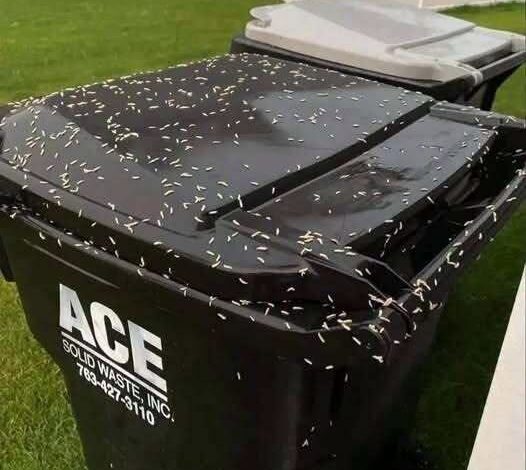
How to Get Rid of Maggots in Your Trash Can and Keep Them Away
Opening the trash can and discovering tiny white larvae can be an unpleasant surprise. While maggots may look alarming, there is usually a simple reason they appear. Maggots are the larval stage of flies, and household garbage can sometimes provide the warmth, moisture, and food sources they need to develop. The good news is that a few simple cleaning and prevention habits can make your trash can much less attractive to flies.
Flies are naturally drawn to organic materials, particularly food scraps and other waste that begins to break down. Leftover meat, fruit, vegetables, dairy products, food-covered packaging, and greasy paper towels can all contribute to odors that attract insects. If flies reach this material, they may lay eggs nearby. In warm conditions, those eggs can develop quickly, which is why a trash can may seem perfectly normal one day and suddenly have a problem the next.
Warm weather can make the situation more noticeable. A garbage container sitting indoors, in a garage, or outside in direct sunlight can become warmer than the surrounding air. When moisture and food residue are present at the same time, the environment can become especially appealing to flies. This is one reason household trash may require more frequent attention during the warmer months.
If you notice maggots in your trash can, start by removing the garbage responsible for the problem. Carefully close the trash bag so that its contents remain contained, then place it in the appropriate outdoor waste area. Avoid leaving an open or partially tied bag inside the home while you clean. If children or pets are nearby, keep them away from the area until the cleanup is finished.
After removing the garbage, thoroughly clean the trash can. Empty any remaining material and rinse the container with warm or hot water. Household dish soap or another suitable detergent can help loosen food residue and remove unpleasant odors. Clean the bottom, inside walls, lid, handles, and other areas where spills or small pieces of waste may have collected.
Once the container has been washed, rinse away the cleaning solution and allow the trash can to dry completely. A dry container is easier to keep fresh and is less likely to retain lingering food odors. If possible, leave the lid open for a while in a suitable location so that moisture can evaporate before placing a new garbage bag inside.
Prevention is the easiest way to reduce the chances of the problem returning. Use sturdy garbage bags and tie them securely before placing them outside. Food waste should not sit uncovered for long periods. If practical, rinse food containers before putting them into the trash, particularly when they contain leftover sauces, oils, or other food residue.
Taking out household garbage regularly can also make a noticeable difference. During hot weather, consider removing food-containing trash more frequently rather than allowing it to remain indoors for several days. Keeping the lid firmly closed can also help limit access for flies and reduce unpleasant smells.
The area around the trash can deserves attention as well. A small spill on the floor, a dropped piece of food, or residue underneath the container can create odors that attract insects even when the trash bag itself is properly closed. Wiping the surrounding area and occasionally cleaning the outside of the bin can help maintain a fresher environment.
Maggots may be unpleasant to discover, but their presence generally has a straightforward explanation: flies have found suitable organic material. By removing affected waste promptly, cleaning the container thoroughly, keeping it dry, and taking food waste out regularly, you can greatly reduce the conditions that allow the problem to develop.
A clean trash can does not require complicated products or elaborate routines. Consistent habits—secure bags, regular disposal, quick cleanup of spills, and a clean, dry container—can go a long way toward keeping household garbage fresher and less attractive to unwanted insects.