Global Powers On High Alert As Targeted Strikes Threaten To Ignite A Catastrophic Middle East Conflict
The world is holding its breath as the unthinkable has unfolded in the Middle East with reports of targeted strikes obliterating key Iranian nuclear facilities. This is not merely a regional dispute; it is a geopolitical powder keg that has the potential to trigger a third world war and send global markets into a complete and utter tailspin. As the smoke clears over these high-security installations, leaders across the globe are scrambling to respond to a situation that has escalated with terrifying speed. We are currently standing on the precipice of an international crisis that could rewrite the global order overnight.
The sudden escalation began with reports of precision strikes aimed squarely at the heart of Iran’s nuclear infrastructure. The immediate aftermath saw a wave of shock rippling through political capitals from Washington to Beijing, as governments scrambled to verify the reports and assess the tactical ramifications of such a bold military move. This was not a minor border skirmish; it was a direct challenge to the nuclear ambitions that have remained the single greatest source of contention in the region for decades. The silence in the hours following the initial reports was perhaps the most ominous sign, as world powers recognized that the established rules of engagement were being fundamentally rewritten.
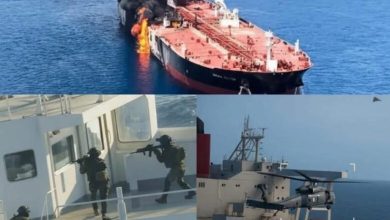
Financial markets, which are notoriously sensitive to the scent of instability, reacted with near-instant volatility. The energy sector, in particular, witnessed a sharp and immediate spike in prices as investors projected a worst-case scenario involving the disruption of critical shipping lanes through the Strait of Hormuz. Because a significant portion of the world’s oil supply flows through these narrow waters, any perceived threat to regional security is interpreted as an existential threat to the global economy. Multinational corporations and financial institutions are now conducting urgent risk assessments, bracing for a period of extended turbulence that could impact everything from fuel prices to the stability of international supply chains.
The underlying issue at the center of this firestorm remains the long-standing and intractable deadlock over Iran’s nuclear program. For years, the international community has engaged in a precarious dance of diplomacy, economic sanctions, and clandestine intelligence operations, all aimed at curbing the development of a nuclear arsenal while avoiding an open military confrontation. These efforts, however, have clearly reached a breaking point. The strikes have effectively bypassed the slow-moving gears of international negotiation, forcing all involved parties to move from the realm of hypothetical debate into the harsh reality of kinetic conflict. Analysts now argue that the existing frameworks for regional security have been rendered largely obsolete, creating a dangerous vacuum that must be filled by new, perhaps more desperate, diplomatic initiatives.
Behind the scenes, a frenzy of activity is taking place as intelligence agencies and security officials monitor the response of regional actors. This conflict is not being fought solely on the battlefield; it is an integrated struggle involving cyberwarfare, shadow operations, and a complex web of alliances that stretches across the globe. Modern nations are now forced to consider the reality that a single strike on a nuclear facility could trigger a domino effect of retaliatory cyber-attacks, targeting the critical infrastructure of neighboring states or even nations halfway across the world. The shift toward this multi-dimensional form of warfare makes the current moment particularly volatile, as it becomes increasingly difficult for leaders to predict the ultimate trajectory of a response once the first move has been made.
International organizations have been quick to issue statements calling for restraint, urging all parties to step back from the brink and prioritize open lines of communication. While such diplomatic rhetoric is standard during times of crisis, many observers believe that the current situation requires a far more aggressive approach to mediation. The risk of a misunderstanding or a miscalculation is currently at an all-time high, and the margin for error has effectively vanished. Diplomatic engagement, while often viewed as frustratingly slow, is currently the only mechanism available to prevent this situation from spiraling into a broader, more uncontrollable catastrophe.
Economic stability is now inextricably linked to the military situation. Countries that are heavily reliant on the steady flow of energy are acutely aware that they are essentially hostages to the stability of the Middle East. If the current tensions remain high, we could see a return to inflationary pressures that have haunted the global economy for the better part of the decade. The uncertainty surrounding oil production is compounded by the fragility of international trade routes, which are already struggling to cope with the disruptions caused by ongoing geopolitical shifts. Business leaders are preparing for the worst, hedging their bets and shifting resources into safer harbors, further depressing investor confidence across the board.
As we look toward the coming weeks, the international community faces a stark choice. Either the current escalation will be contained through a rapid, concerted, and perhaps unprecedented diplomatic push, or the region will descend into a cycle of retribution that could last for years. Leaders are now tasked with the Herculean effort of balancing their own national security imperatives with the broader necessity of maintaining global order. This is a sensitive moment that tests the strength of international alliances and the resolve of global institutions.
The world continues to watch with bated breath, waiting to see if reason will prevail over the urge for military dominance. For the ordinary citizen, the ripples of these high-level maneuvers will soon be felt in the rising cost of goods, the instability of local currencies, and the persistent anxiety that comes from living in an era of global uncertainty. The decisions made in the next few weeks will likely determine whether the Middle East remains a zone of controlled tension or becomes the flashpoint for a new, dark chapter in the history of international relations. The path forward is narrow and treacherous, and the entire world is watching to see who will take the next step.