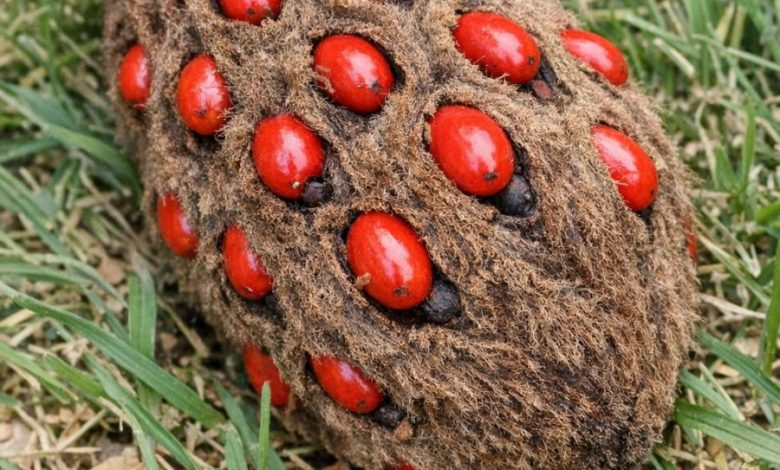
Found this strange fuzzy cone under my tree with bright red berries sticking out of it.
Finding unusual objects in your garden can spark both curiosity and surprise. One discovery that often leaves people puzzled is a strange, fuzzy cone with bright red seeds sticking out of it. At first glance, it might resemble something from a science-fiction movie or a strange natural ornament. In reality, this interesting object is simply part of a plant’s natural life cycle.
These unique shapes aren’t anything mysterious or extraterrestrial. They are commonly found beneath certain trees, especially in parts of the southeastern United States. Whether you enjoy gardening or just exploring your yard, learning about these objects can help you better understand the fascinating processes happening in nature around you.
1. The Strange Object Under Your Tree
The object you’re seeing is called a magnolia seed pod. It is the fruiting structure produced by magnolia trees. At first sight, its appearance can seem unusual. The pod is somewhat cone-shaped, similar to a pinecone, and usually measures about two to four inches long. The surface often feels soft and slightly fuzzy, with colors ranging from brown to gray.
As the pod matures, it begins to split open, revealing bright red seeds inside. The vivid red color stands out against the duller pod, which helps attract birds and other animals that assist in spreading the seeds.
2. Understanding Magnolia Seed Pods
Magnolia trees belong to a large plant family that includes more than 200 species. These trees are well known for their large, fragrant flowers and glossy green leaves. After the flowers bloom and fade, small green cones begin to form. Over time, these cones develop into seed pods.
During the months from late summer to early fall, the pods gradually change in texture and color. They become firmer and more fibrous as they mature, eventually opening to release the seeds.
3. Why the Seeds Are Bright Red
The red “beads” that appear from the pod are not berries but seeds covered by a fleshy outer layer known as an aril. This bright coating acts as a visual signal to birds and other wildlife.
Animals are attracted to the bright color and nutritious coating. When they eat the seeds, the seeds are later dispersed in different locations, allowing new magnolia trees to grow.
4. Magnolia Trees That Produce These Pods
Several types of magnolia trees produce these distinctive seed pods. One of the most well-known is the Southern magnolia, a large evergreen tree famous for its huge white flowers and glossy leaves.
Other examples include the sweetbay magnolia, which often grows in damp environments, and the cucumber tree magnolia, named because its young pods resemble small cucumbers before maturing.
5. When Seed Pods Appear
Magnolia seed pods begin forming after the tree finishes flowering, usually in late spring or early summer. They continue developing throughout the warmer months and typically open in early fall.
This timing coincides with periods when birds and animals are actively searching for food, helping ensure the seeds are carried away and spread.
6. Are Magnolia Pods Safe?
Magnolia seeds are not typically considered highly toxic, but they are not meant to be eaten by people. They have a very bitter taste and may cause stomach discomfort if consumed.
While birds and wildlife can eat them safely, it’s still wise to keep pets and small children from putting them in their mouths.
7. Wildlife That Eats Magnolia Seeds
Magnolia seeds are an important food source for various animals. Birds such as cardinals and finches often pick the seeds directly from the pods. Small mammals, including squirrels, may also feed on them.
This natural relationship benefits both the animals and the tree, as the animals receive food while helping the plant spread its seeds.
8. How to Identify Magnolia Seed Pods
Magnolia pods are fairly easy to recognize once you know what to look for. Two key features stand out: the fuzzy or textured cone shape and the bright red seeds that appear as the pod opens.
You’ll usually find them directly beneath a magnolia tree, which can be identified by its thick, glossy leaves and large flowers. Plant identification apps can also help confirm what you’re seeing.
9. What to Do If You Find Them in Your Yard
If you discover these pods on the ground, there’s no need for concern. You can simply leave them where they fall. Over time, they will naturally break down and contribute nutrients back into the soil.
Some people also collect them for seasonal decorations or craft projects because of their unusual and eye-catching appearance.
10. Growing a Magnolia Tree from Seeds
It is possible to grow a magnolia tree from its seeds, although it requires patience. The seeds must go through a process called cold stratification, which mimics winter conditions and prepares them for germination.
One way to do this is to store the seeds in a damp paper towel inside a refrigerator for several weeks or months. After that period, they can be planted in soil and placed in a sunny location. Germination can take time, so patience is key.
11. Fascinating Facts About Magnolias
Magnolia trees are incredibly ancient plants. Scientists believe they have existed for more than 95 million years, making them among the oldest flowering plants still living today.
Because magnolias evolved before bees became widespread pollinators, their flowers are pollinated mainly by beetles. Instead of producing nectar, magnolia flowers offer pollen that is rich in nutrients. This long evolutionary history helps explain why their flowers and seed pods look different from many modern plants.