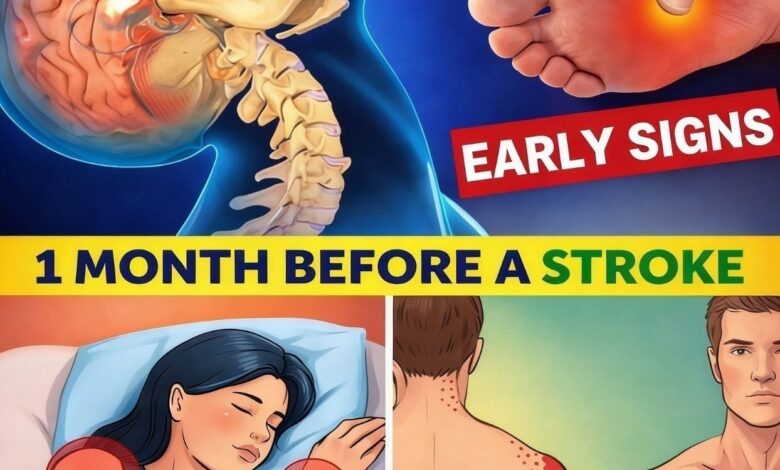
Eight Stroke Warning Signs and Nine Ways to Reduce Your Risk
3. Frequent Dizziness or Loss of Balance
Repeated episodes of dizziness, unsteady walking, or unexplained loss of coordination could indicate reduced blood supply to parts of the brain responsible for balance and movement.
4. Severe Headaches Without a Clear Cause
A sudden, unusually intense headache—especially if it is unlike your normal headaches—may require emergency evaluation. In some cases, it can be an early warning sign of bleeding or reduced blood flow in the brain.
5. Temporary Vision Changes
Blurred vision, double vision, or temporary vision loss in one or both eyes should never be ignored. These symptoms may indicate interrupted blood circulation affecting the visual pathways.
6. Extreme Fatigue
Feeling unusually exhausted despite adequate rest may accompany reduced circulation or other underlying health conditions. Although fatigue alone does not indicate a stroke, it may become more significant when combined with other neurological symptoms.
7. Unexplained Pain or Tingling
Some people report tingling, burning sensations, or unexplained pain in an arm, shoulder, or leg before experiencing a stroke. While these symptoms have many possible causes, persistent or sudden neurological changes deserve prompt medical evaluation.
8. Brief Episodes of Confusion
Sudden confusion, memory lapses, difficulty concentrating, or trouble following simple instructions may reflect temporary disruptions in brain function and should be assessed by a healthcare professional.
9 Ways to Help Reduce Your Stroke Risk
Preventing stroke often involves improving overall cardiovascular health. Experts commonly recommend the following:
Control high blood pressure through regular monitoring and treatment.
Keep blood sugar levels under control if you have diabetes.
Lower unhealthy cholesterol with a balanced diet and medical treatment if needed.
Quit smoking and avoid secondhand smoke.
Limit alcohol consumption.
Exercise regularly—aim for at least 150 minutes of moderate activity each week.
Maintain a healthy body weight.
Eat more fruits, vegetables, whole grains, fish, and healthy fats while reducing processed foods and excess salt.
Have regular health checkups, particularly if you have risk factors such as heart disease, diabetes, obesity, or a family history of stroke.
When Should You Seek Emergency Care?
If you notice any sudden signs of stroke, remember the FAST warning signs:
Face: One side of the face droops.
Arm: One arm becomes weak or numb.
Speech: Speech becomes slurred or difficult.
Time: Call emergency medical services immediately.
Time is critical. Rapid treatment can significantly improve recovery and reduce the risk of permanent brain damage.
Final Thoughts
Many strokes occur without obvious warning, but some people experience temporary neurological symptoms days or weeks beforehand. Paying attention to sudden changes involving movement, speech, vision, balance, or thinking may provide an opportunity for early medical intervention.
While these symptoms do not always mean a stroke is imminent, they should never be ignored. If you or someone you know experiences any of these warning signs, seek medical advice as soon as possible. Early recognition and prompt treatment remain among the most effective ways to reduce the devastating impact of stroke.